What You'll Learn
- Step-by-step choreography for the iconic Fairy Doll classical variation
- How to embody the mechanical yet graceful character of the doll
- Techniques for synchronizing complex footwork with live piano accompaniment
- Application of foundational barre technique to advanced center variations
About This Video
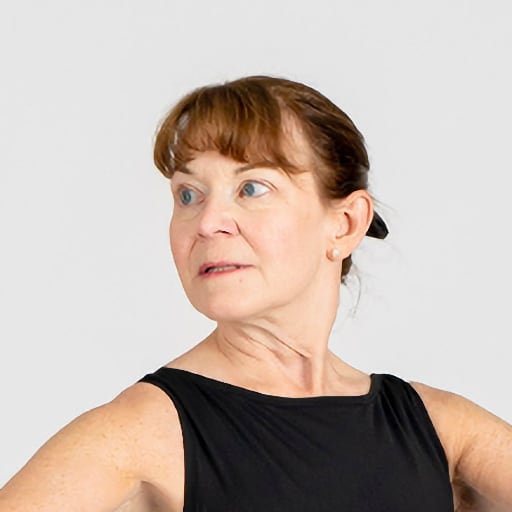
Experience the magic of the classical repertoire from your own home with this special presentation of the Fairy Doll variation. This variation, originally from the beloved ballet Die Puppenfee, is an essential piece for any dancer looking to develop their character acting and technical precision. In this video, Broche Ballet instructor Anke Meyer performs the variation accompanied by the talented Bruno Raco on piano, providing a unique look at how live music influences performance.
The Fairy Doll variation is known for its whimsical, mechanical movements that require a high degree of control and musicality. Throughout this session, you will observe the intricate footwork and specific stylistic nuances that make this variation so unique. Dancers will benefit from seeing how classical movements like the relevé and precise dégagé are utilized to create the iconic doll-like aesthetic.
Mastering this variation involves more than just steps; it requires an understanding of how to transition from a stiff, mechanical quality to the fluid grace of a prima ballerina. Practicing variations is a fantastic way for intermediate and advanced students to apply their barre work to center practice. You will see how foundational movements such as the plié provide the necessary power for jumps and stable landings, while a strong tendu ensures clean lines throughout the performance.
Whether you are preparing for a competition or simply want to challenge yourself with professional repertoire, this video serves as an excellent guide. At Broche Ballet, we prioritize the artistic development of adult dancers. By studying the Fairy Doll variation, you are not just learning a sequence of steps; you are learning how to tell a story through movement.
Pay close attention to the use of head placement and épaulement, as these details are what truly bring the character to life in a classical setting.