.png)

What You'll Learn
- The direct connection between your inner thoughts and outer facial expressions.
- Techniques to identify and unlearn the 'concentration face' during difficult combinations.
- How to tap into childhood spontaneity to allow for more natural emoting.
- Ways to integrate emotional storytelling into your daily practice at the barre and center.
About This Video
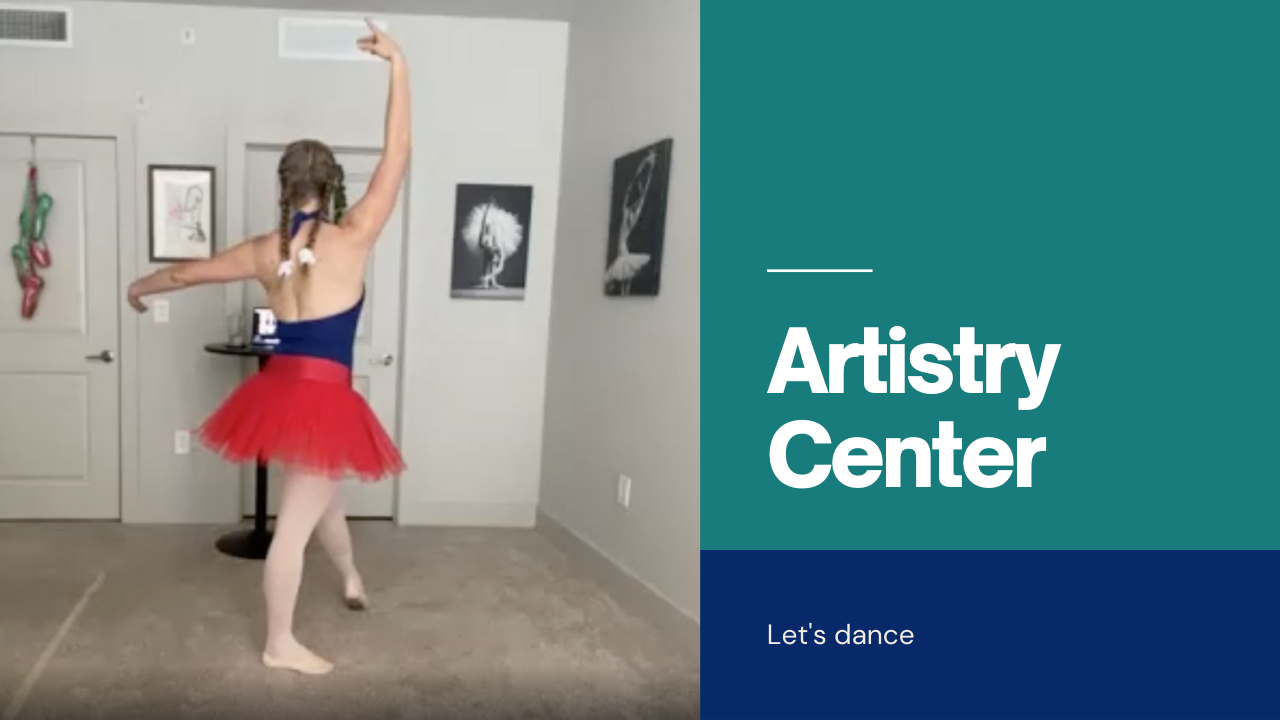
Ballet is a visual art form that goes far beyond the technical execution of a perfect tendu or a solid relevé. While clean lines and strong positions form the physical foundation of dance, it is the emotional connection that truly captivates an audience and breathes life into a performance. At Broche Ballet, we believe that artistry is just as vital as athleticism. Many dancers, particularly those in training, struggle with 'concentration face'—that stoic, overly focused expression we often adopt when trying to nail a difficult pirouette or maintain balance in a high arabesque. This guide explores how to break through those inhibitions and create authentic facial expressions that resonate with your viewers.
The secret to creating a genuine expression isn't about manually manipulating specific facial muscles; it's about shifting your internal dialogue. Your face naturally reflects your thoughts and emotions when you allow it to. If you want to convey joy, you shouldn't just think about pulling the corners of your mouth up; you should focus on a specific thought, memory, or sensation that truly makes you happy. This tutorial teaches you how to tap into those inner feelings so that your expressions become a natural extension of your movement rather than a forced afterthought.
We also discuss the crucial process of 'unlearning' facial suppression. As we enter formal dance training, we often subconsciously learn to mask our emotions to focus on the rigors of technique at the barre or in center work. Think back to how children dance—they move with their whole faces because they are fully immersed in the feeling of the music. By allowing yourself to feel and express freely, you can reclaim that spontaneity. Whether you are practicing a slow plié or a dynamic sauté, learning to allow your emotions to surface will transform your dancing from a series of mechanical steps into a compelling piece of storytelling.