What You'll Learn
- How to integrate props like a tambourine into ballet choreography
- The importance of épaulement and facial expression in storytelling
- Application of classical ballet technique in a character-driven setting
- Observing musicality and phrasing in relation to upbeat rhythms
About This Video
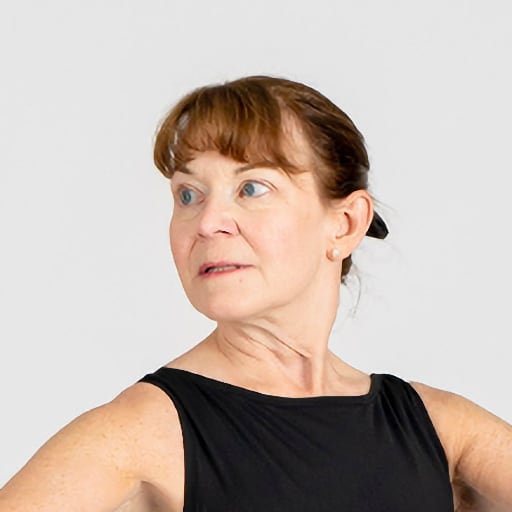
In this captivating performance from the International Association of Ballet and Dance (IABF) 2024 competition, Joyce Sanders brings the classic tune "Quando Quando Quando" to life through the medium of ballet. This performance showcases a delightful fusion of traditional balletic grace and rhythmic character work, highlighted by the use of a tambourine that adds a festive, spirited flair. As you watch Joyce's performance, pay close attention to her seamless transitions and exceptional musicality.
Her use of épaulement and port de bras creates a narrative that extends beyond simple footwork, engaging the audience with every tilt of the head and sweep of the arm. For students at Broche Ballet, observing such performances is an invaluable lesson in artistry. Notice how she maintains a strong relevé and clean arabesque lines while managing a prop, demonstrating the coordination required for character-infused variations.
The choreography utilizes a variety of classical steps, including sharp petits sauts and flowing balancés, all performed with a sense of ease that belies the technical difficulty. Joyce's performance is a testament to the fact that ballet is not just about the athleticism of pointe work or the height of a grand jeté, but about the communication of joy and character through movement. For aspiring dancers, this video serves as an inspiration for how to bring personality to the stage.
Whether you are currently working on your foundations at the barre or preparing for your own showcase, Joyce’s performance illustrates the importance of confidence and stage presence. At Broche Ballet, we believe that seeing these elements in action helps bridge the gap between technical exercises and true performance art. We invite you to study the nuances of her performance—from the precise plié that initiates her movements to the celebratory finish—to enhance your own understanding of what it means to be a storyteller through dance.