What You'll Learn
- The importance of light, airy phrasing in classical variations
- Technical precision for en pointe movements and relevé stability
- How to use plié to create the illusion of weightlessness during jumps
- Artistic expression through specific port de bras and épaulement
- Analyzing musicality and rhythm in the Talisman score
About This Video
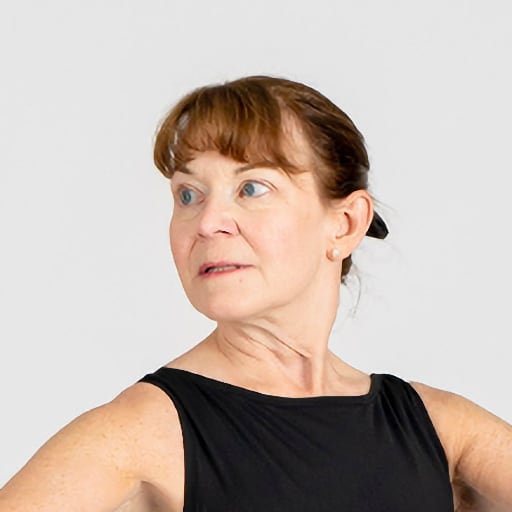
The Talisman Variation is a cornerstone of classical repertoire, celebrated for its celestial themes and intricate footwork. In this captivating performance from the International Adult Ballet Festival (IABF) 2024, dancer Grace Dvorak brings this ethereal character to life with poise and precision. For students at Broche Ballet, studying such high-level performances offers invaluable insights into the marriage of technical strength and delicate artistry.
Dvorak’s performance highlights the critical importance of secure pointe work. Each relevé is executed with a sharp clarity that defines the character's otherworldly nature. The variation requires a deep mastery of plié to absorb the impact of light jumps, ensuring that the transitions between steps appear seamless and weightless to the audience. Her use of épaulement and soft port de bras provides a beautiful contrast to the strength required in the lower body, a hallmark of the classical style.
At Broche Ballet, we encourage adult dancers to analyze these variations to improve their own spatial awareness and musicality. Watching the way Dvorak handles the syncopated rhythms of the score provides a practical lesson in phrasing. It is not merely about the individual steps; it is about how the dancer connects a tendu or a dégagé into a larger sequence with continuous, fluid movement.
Whether you are preparing for your own stage performance or simply looking to refine your classical technique during your next barre session, observing the nuances of this Talisman Variation provides a roadmap for artistic growth. We focus on the subtle details, such as the specific placement of the head and the extension of the fingertips, which elevate a technical exercise into a true work of art. Dive into the world of classical variations with us and discover how these historical pieces can inform your modern practice.