
What You'll Learn
- How to isolate and activate the six deep hip rotator muscles
- Techniques for using the gluteus maximus as a functional external rotator
- The difference between weight-bearing and non-weight-bearing rotator exercises
- How to use tendu and plié variations to improve hip stability and turnout
- The vital connection between core engagement and hip rotation range
About This Video
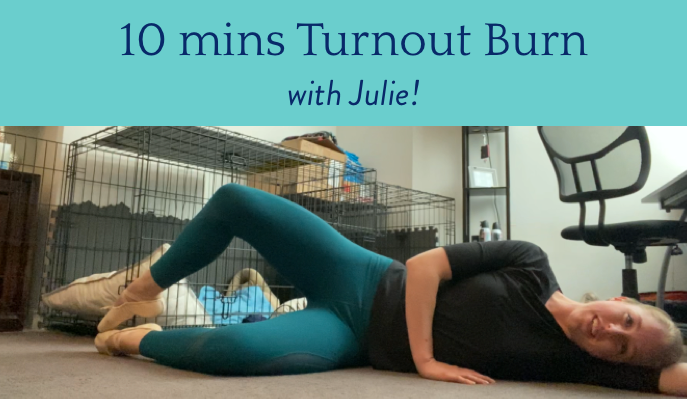
Unlock the secrets to a stronger, more stable turnout with our 10-Minute Rotator Workout, exclusively at Broche Ballet. Led by Christina—a professional ballet dancer with a medical background—this targeted routine is designed to help you understand and activate the complex musculature of the hip joint. Whether you are struggling with maintaining your rotation at the barre or looking to increase your range of motion in movements like arabesque, this class provides the anatomical insights and practical exercises you need to excel.
The workout begins by demystifying the six deep rotators of the hip. Christina explains how these muscles work in tandem with the gluteus maximus to create a secure and functional turnout. Unlike traditional stretching, this routine emphasizes active engagement through a mix of non-weight-bearing and weight-bearing movements.
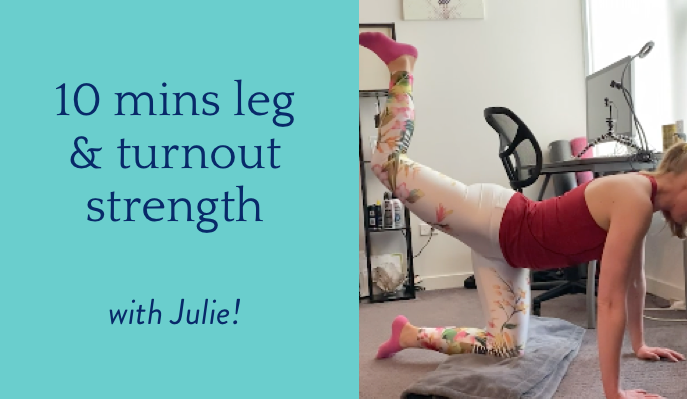
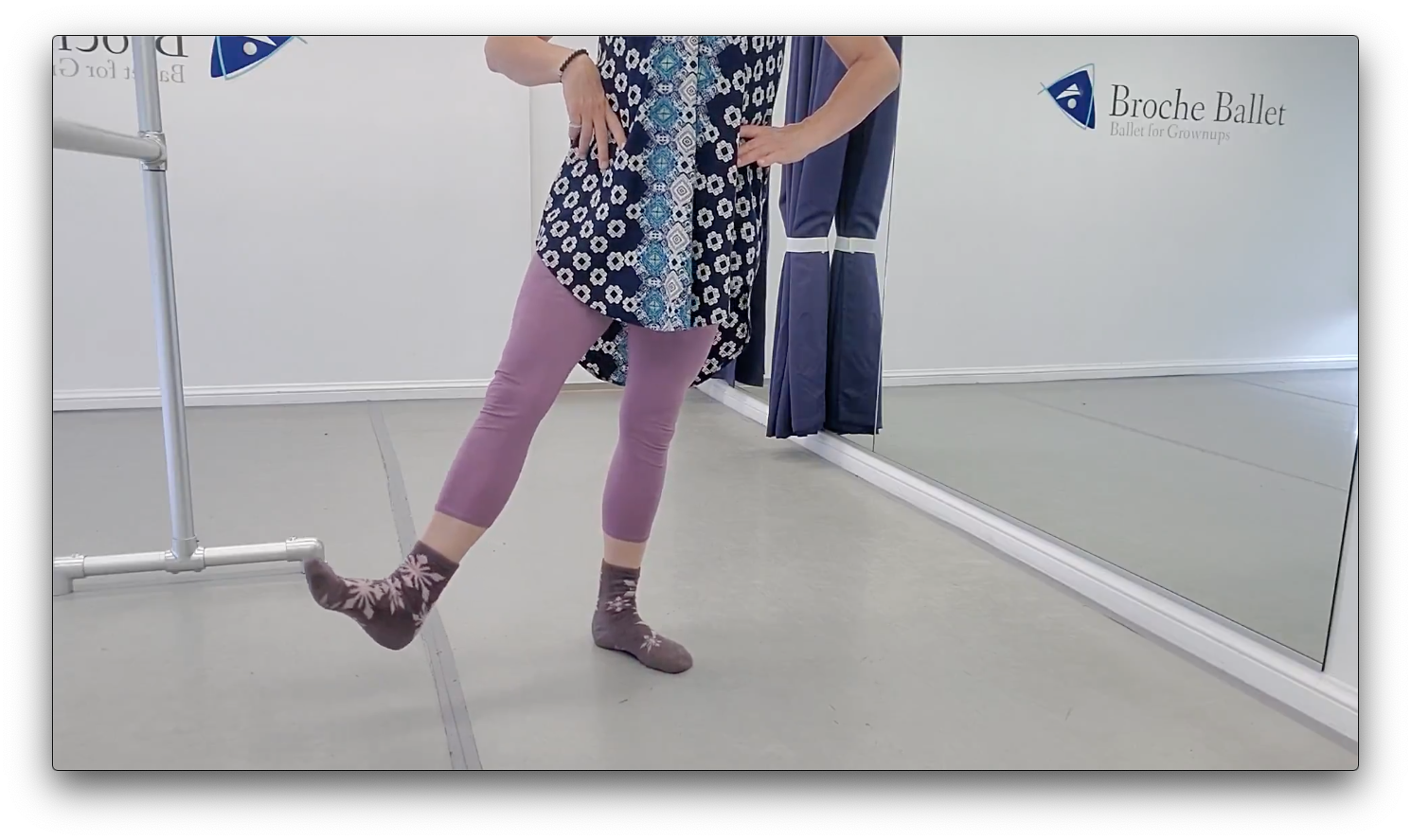
You will start with tendu exercises using a flexed foot to isolate the rotators before moving into weight-bearing plié sequences that challenge your functional stability. One of the key focuses of this session is the transition of rotation from a static position to dynamic movement. By practicing rotating in and out while in a plié, you will learn to engage your adductors and deep rotators simultaneously.
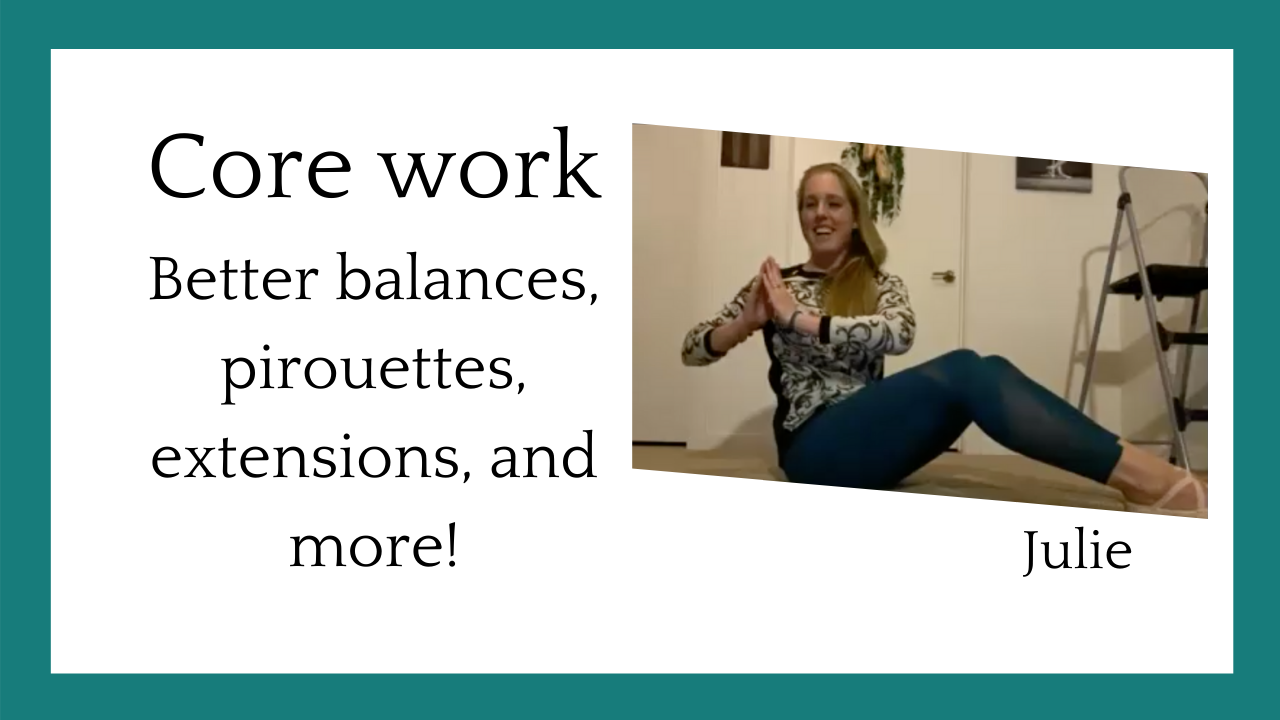
Christina also highlights the essential role of the core; a stable center allows the hips to rotate freely without sacrificing alignment. Throughout the class, you will receive cues on how to squeeze and release the glutes effectively, ensuring you are using the correct muscles rather than gripping the hip flexors. By the end of this 10-minute routine, your hips will feel awake and ready for a full ballet class.
It is essential to perform these exercises on both sides equally to maintain balance in the body. Regular practice of these rotator exercises can lead to improved balance, higher extensions derrière, and a more consistent turnout across all ballet movements.