What You'll Learn
- How to create fluid, continuous 'cello-like' arm movements that follow the music.
- Specific techniques for energetic finger placement and avoiding 'dead' hands.
- Mastering transitions between complex positions like écarté, effacé, and arabesque.
- The importance of initiating movement from the spine to create a ripple effect through the body.
About This Video
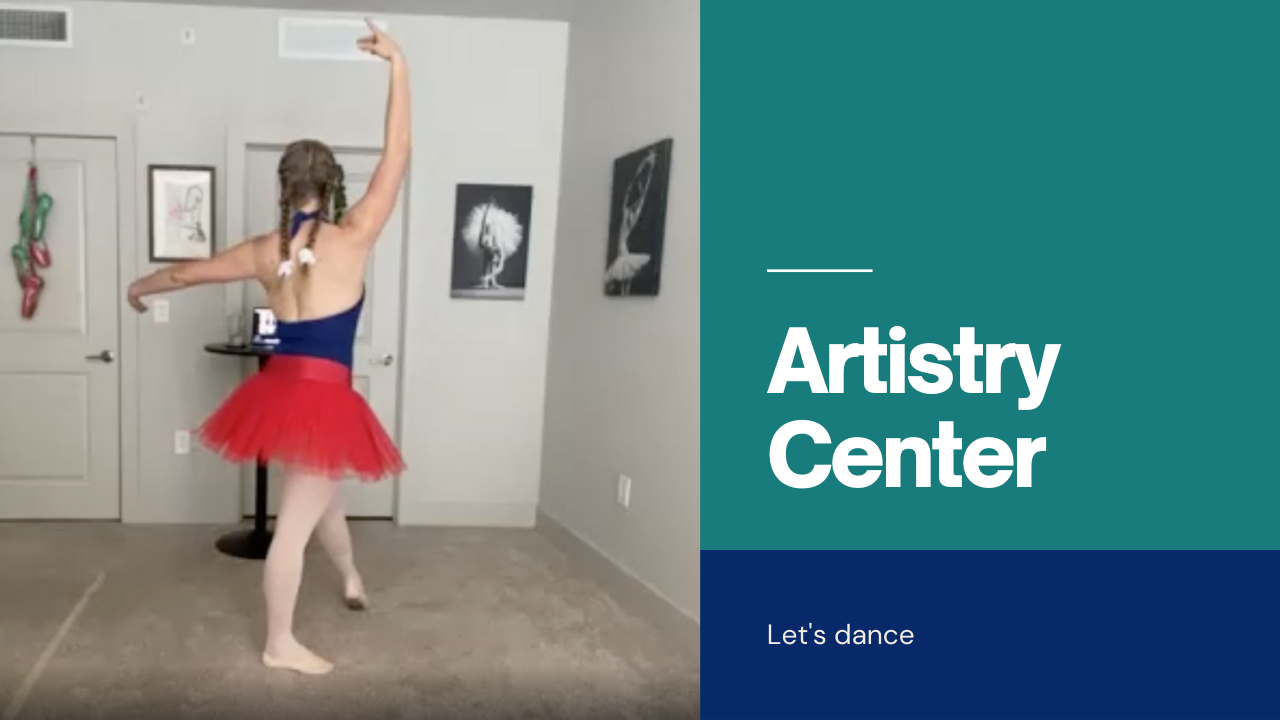
True ballet technique goes beyond the legs; it lives in the breath, the arms, and the fingertips. In this Broche Ballet session, "Artistry in Center," we focus on the delicate balance of strength and softness required for professional-level port de bras. This class is designed for dancers who have mastered the basics and are ready to infuse their movement with musicality and emotional resonance.
The lesson begins with a deep dive into hand and finger placement. " We explore the concept of energetic fingers combined with soft elbows, creating a line that is both strong and graceful. You will learn how to use wrist rotation effectively, a skill that transforms a simple movement into a piece of art.
The instructor emphasizes that the spine is the engine of the movement, rippling through the body to reach the fingertips. Central to this practice is the concept of musicality. We use the imagery of a string instrument, like a cello, to guide the timing of our arms.
Just as a bow creates a continuous, vibrating sound, your port de bras should be fluid and unbroken. Any choppy movement "breaks the sound" of the dance. We apply these concepts to a beautiful combination involving écarté, quasi effacé, and arabesque.
By focusing on allongé and the transition through first position, you will learn to occupy the space around you more effectively. We also break down the pas de bourrée and its integration into lyrical center work. Whether you are practicing in a studio or a home space, these artistry details will help you feel more like a performer and less like a student.
Join us at Broche Ballet to refine your technique and find your unique expressive voice through the classical language of ballet.