
What You'll Learn
- Six main types of transition footwork including soutenu and pas de bourrée
- How to execute fluid turns toward and away from the barre
- Techniques for fouetté and promenade transitions in arabesque
- Coordinating port de bras during complex directional changes
- Developing muscle memory for seamless side-to-side transitions
About This Video
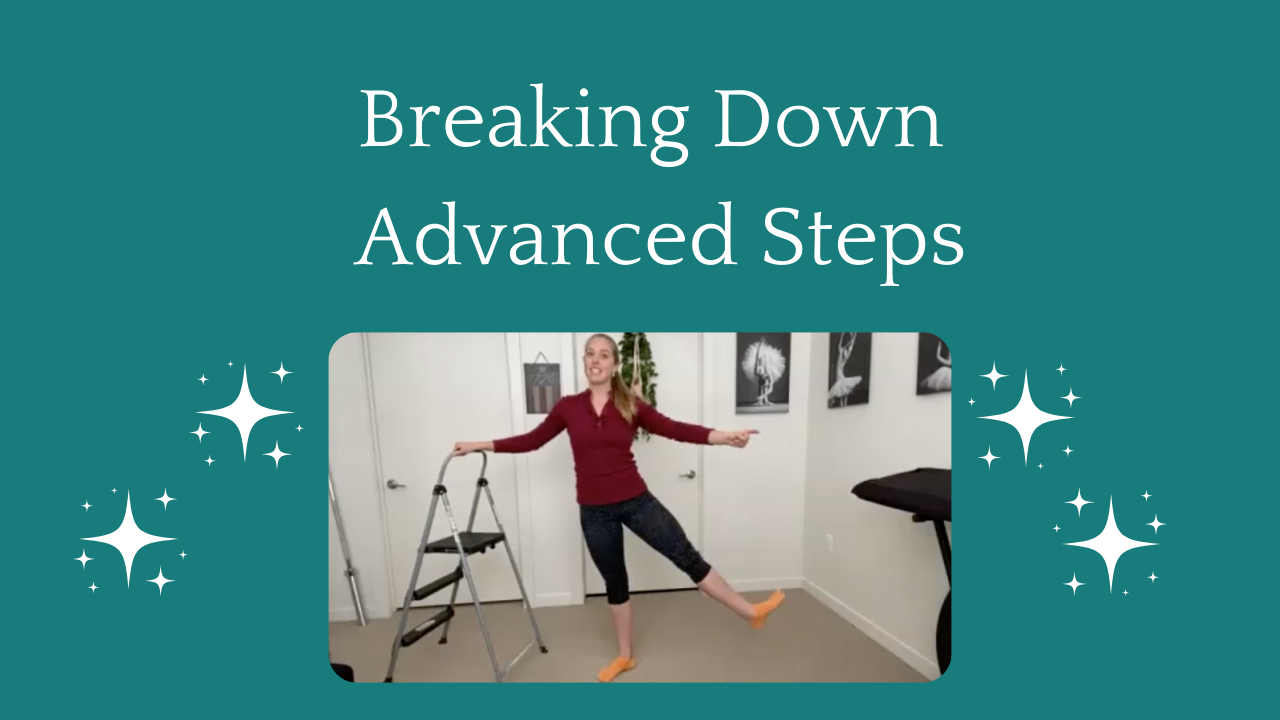
Transitions are the connective tissue of ballet. While students often focus on the height of an arabesque or the speed of a pirouette, the way a dancer moves from one side of the barre to the other defines their artistry and professional polish. In this Broche Ballet session, we focus on Bridging the Gap by breaking down the complex vocabulary used to change directions and move seamlessly through a barre sequence.
We explore six fundamental types of footwork: soutenu, pas de bourrée, fouetté, promenade, en dedans rotations, and tendu transitions. Each movement is analyzed through the lens of directionality—learning how to move both toward and away from the barre without losing alignment or balance. We break down the mechanics of the soutenu, emphasizing the up, around, and down flow that ensures a clean transition.
We also tackle the pas de bourrée, focusing on the precise back, side, front footwork that is essential for both barre and center work. For those looking to challenge their stability, we introduce the fouetté and promenade transitions. You will learn how to maintain a strong standing leg in arabesque while navigating your body through space, transitioning your arms from first to second position with grace.
By the end of this tutorial, you will have a comprehensive toolkit of transitions, including variations like the sous-sus and various tendu patterns. These aren't just steps; they are the building blocks of choreography. Mastery of these movements will improve your coordination, muscle memory, and overall spatial awareness, preparing you for the demands of advanced ballet classes.