What You'll Learn
- How to incorporate safe anatomical practices into your daily ballet routine
- The importance of continuing education for fostering student empowerment
- Strategies for breaking down complex ballet terminology into digestible segments
- Ways to overcome teacher self-doubt and improve studio communication
- The benefits of small-group learning for mastering technical nuances like turnout and alignment
About This Video
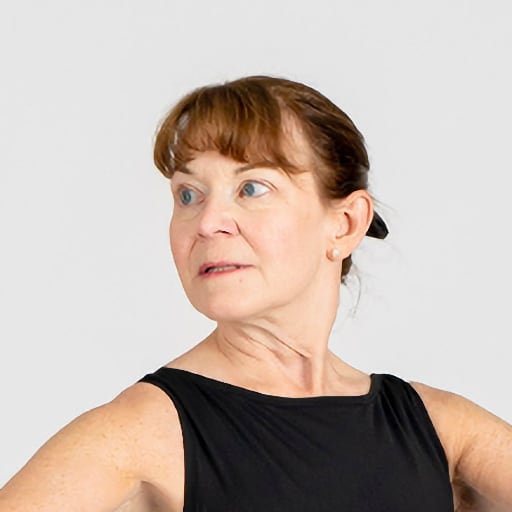
In this insightful episode of the Broche Banter podcast, host Julie sits down with Veronica Kaye, a powerhouse in the dance world who combines her experience as a professional dancer with her background as a personal trainer and physical therapy assistant. At Broche Ballet, we are dedicated to making the art of ballet accessible to everyone, and this conversation perfectly aligns with our mission of providing high-quality instruction for adult bodies. Veronica discusses the critical importance of safe practices for adult ballet dancers, emphasizing that longevity in dance comes from a deep understanding of one's own anatomy.
The dialogue explores how instructors can move past their fears and self-doubts to provide a more supportive environment for their students. We delve into the concept of teaching as a gift—a way to empower students by giving them the tools they need to succeed in every plié and relevé. For many instructors, the idea of continuing education can feel like a daunting task associated with high costs or massive time commitments.
However, Veronica highlights how her program breaks down complex pedagogical concepts into digestible, practical tips that can be applied immediately at the barre. By focusing on small cohorts of just ten people, she ensures a personalized experience that allows for deep dives into technical execution, from the precision of a tendu to the stability required in a fondu. The episode also tackles common myths in the dance community and provides strategies for better communication between teachers and students.
Whether you are working on the height of your arabesque or the speed of your pirouette, understanding the why behind the movement is essential. Veronica’s approach reframes the role of the teacher as someone who carries the responsibility of student success, turning every sauté and dégagé into a milestone of achievement. Join us for this compelling interview and learn how to take your dancing or teaching to the next level with evidence-based strategies and a mindset of empowerment.