What You'll Learn
- How a Vaganova foundation prepares dancers for the versatility of Balanchine and Bournonville styles.
- The unique challenges and rewards of coaching ballet for major motion pictures like Black Swan.
- Essential strategies for injury recovery and the importance of mental health advocacy for dancers.
- The process of 'translating' complex ballet mechanics into accessible concepts for students.
- How life transitions like motherhood can lead to a more joyful and personal connection to dance.
About This Video
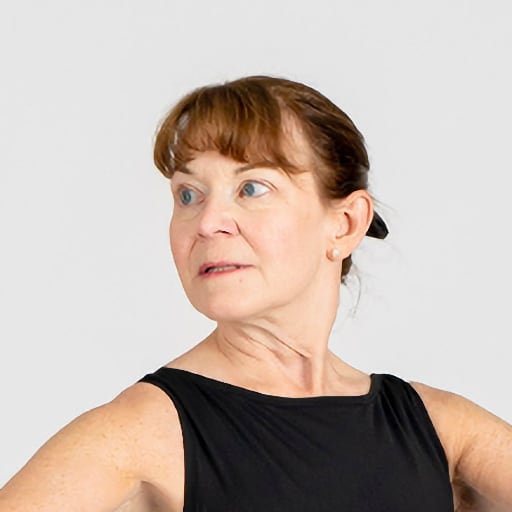
In this captivating episode of Broche Banter, we sit down with professional dancer Alexandra to explore a career that spans elite training, Hollywood coaching, and the transition into motherhood. Alexandra's journey began with a rigorous Vaganova-based foundation in Florida before she moved to the School of American Ballet at age 14. Her professional trajectory took her to the Los Angeles Ballet and New Chamber Ballet, providing her with a unique perspective on the demands of different technical styles. A standout moment in her career was coaching actress Mila Kunis for the film Black Swan. Alexandra discusses how this role forced her to translate the complex mechanics of ballet into attainable concepts for a non-dancer, a process that eventually helped her find her own voice as a teacher and advocate.
The conversation dives deep into the technical nuances of various schools of dance. Alexandra compares the precision and speed of Balanchine with the traditional strength of Vaganova and the distinct style of Bournonville, particularly within the context of the corps de ballet and famous works like Napoli. She shares vulnerable insights into the physical toll of professional dance, detailing her recovery from serious injuries, including back and foot fractures. This episode highlights the importance of dancer advocacy and the mental resilience required to return to the barre and pointe shoes after physical setbacks. Finally, Alexandra shares her heartening experience of returning to ballet after a hiatus for motherhood, rediscovering a joyful and liberated connection to the art form. At Broche Ballet, we believe that dance is a lifelong journey, and Alexandra's story is a powerful testament to the evolving relationship we have with movement as we navigate different chapters of life.