What You'll Learn
- How to identify the 'anchor' counts of one and five within a musical phrase
- The structural differences between classical music and jazz music patterns
- Techniques for hearing the 'conversation' and story arc within a piece of music
- How to use musical cues to navigate your position in complex combinations
About This Video
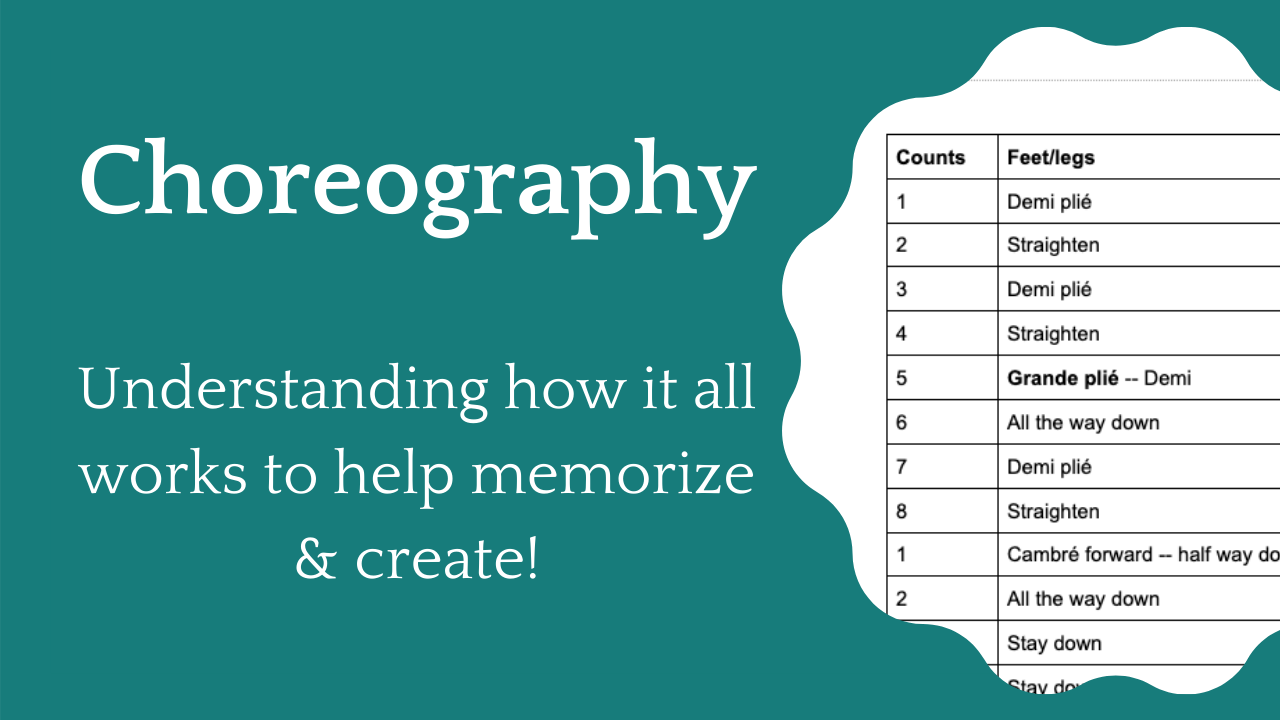
Understanding the relationship between movement and sound is what transforms a series of exercises into true dance. In this Broche Ballet class, we dive deep into the fundamentals of counting, specifically focusing on the structure and patterns of counts within classical music. For many adult dancers, the hardest part of a new combination isn’t necessarily the physical execution of a plié or a tendu, but rather knowing exactly when to start and how to stay on the beat. This class bridges that gap by teaching you to hear the 'conversation' within the melody.
We begin by exploring the concept of musical phrases. Instead of hearing music as an endless stream of beats, we learn to identify the story arc of a piece to better anticipate transitions. A key technique covered in this session is finding 'count one' and 'count five.' In a standard eight-count phrase, these are the anchors that help you navigate. Whether you are working at the barre or in the center, knowing where these anchor points are ensures you never feel lost, even if you momentarily lose your place. These counts act as a compass, guiding you through the counts and bars of any given exercise.
The class also highlights the subtle differences between musical genres used in dance. While classical music often resolves neatly on the count of eight, jazz music might utilize a fermata or finish on the count of one. Understanding these distinct 'rules' allows you to adapt your movement quality and timing to the specific style of music being played. When you can hear the music as a roadmap, you will know instinctively where you should be in a combination, helping you focus more on your technique and less on the numbers. By developing these navigation skills, you will gain the confidence to 'drop into the music' rather than just chasing it, which is essential for any dancer looking to improve their artistry and technical precision.