What You'll Learn
- How to physically prepare your body for the increased stamina required for an intensive
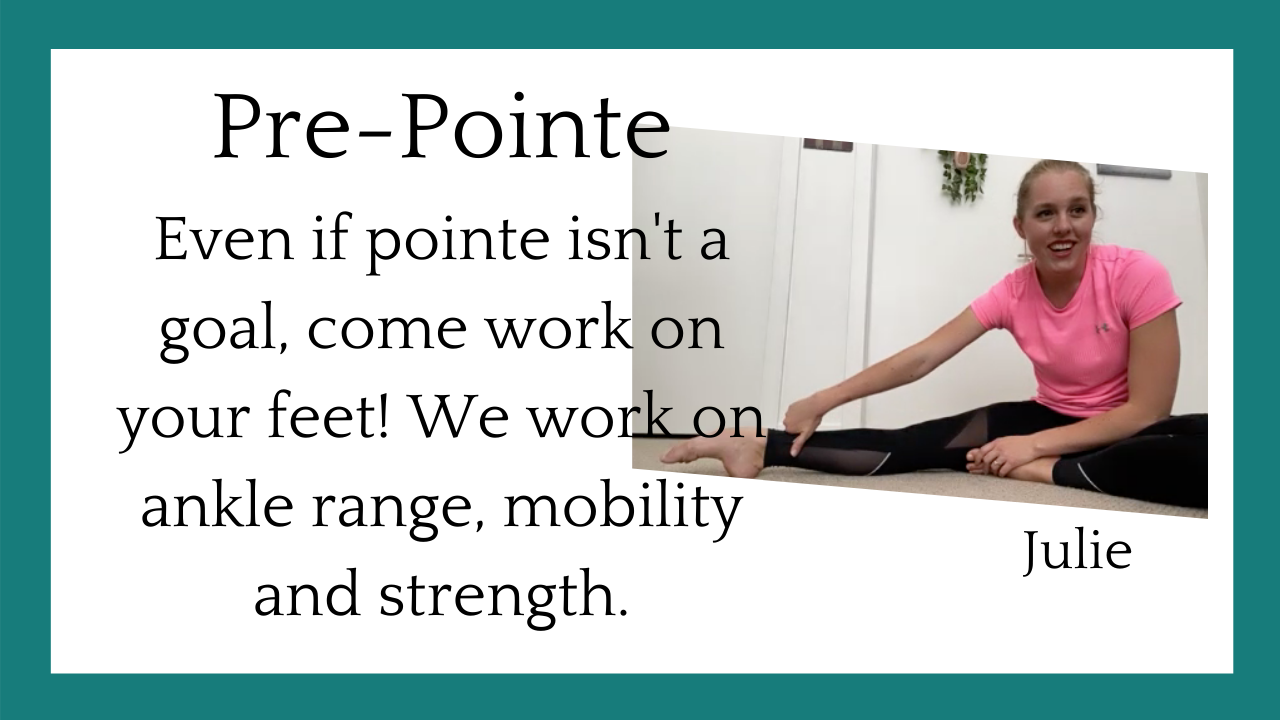
- Strategies for 'bulletproofing' your ankles and toes to prevent common dance injuries
- The essential packing list including recovery tools like massage guns and golf balls
- Nutrition and hydration tips to maintain high energy levels throughout the day
- How to manage your training mindset and schedule leading up to a dance event
About This Video
Attending an adult ballet intensive is an exhilarating way to immerse yourself in your passion and accelerate your progress. At Broche Ballet, we understand that while these programs are deeply rewarding, they can also be physically demanding for the adult body. Preparing your body and your gear beforehand ensures you can focus on the artistry and technique rather than soreness or fatigue. This guide breaks down exactly how to ready yourself for a week (or more) of intensive dance.
The foundation of a successful intensive experience starts with physical conditioning. One of the most important aspects is increasing the amount of time you spend on your feet. Many adult dancers transition from a sedentary workday to the studio, but an intensive requires hours of standing, jumping, and moving. Gradually building this endurance is key. We recommend 'bulletproofing' your ankles and toes through specific strengthening exercises. This preparation helps you maintain stability during relevé work and long sequences at the barre. Additionally, incorporating balance exercises into your daily routine will help you stay grounded and prevent injury during challenging center work and pirouettes.
A common concern for adult dancers is the feeling that they aren't taking enough classes leading up to the event. Don't let a busy schedule deter you or make you feel 'unworthy' of attending. While extra practice is beneficial, it isn't always feasible with life's other responsibilities. What matters most is arriving with a positive mindset and a body that is conditioned for the impact of dance.
Finally, packing the right essentials can make a world of difference in your daily recovery. We recommend including a massage tool, such as a massage gun, a tennis ball, or even a golf ball, to roll out tight muscles after class. Nutrition is equally important; keep your energy levels high with protein bars, granola bars, and a reliable water bottle to stay hydrated between sets of grand plié. Don't forget to pack extra leotards and perhaps some older dance clothes to swap with your new dance friends. By following these preparation tips, you’ll be ready to dive deep into your training and enjoy every moment of your ballet journey.