What You'll Learn
- The nuances of regal stage presence and character-driven movement.
- Refined épaulement and coordination between the head, arms, and torso.
- Technical precision in slow-tempo classical variations and en pointe work.
- Maintaining fluid transitions while executing controlled extensions.
About This Video
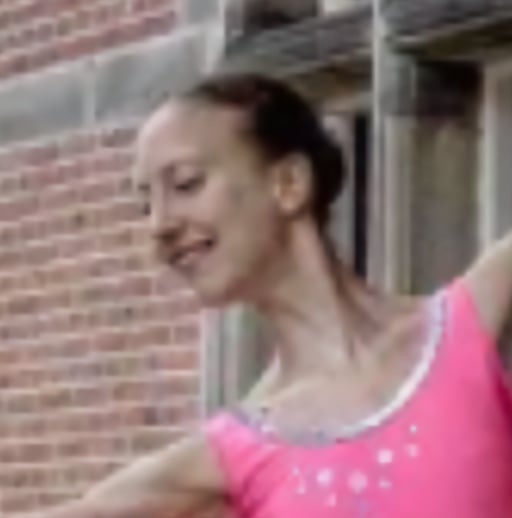
The Lilac Fairy is one of the most iconic and technically demanding roles in the classical repertoire, representing wisdom, grace, and protection. In this captivating performance, Hannah Cho brings this character from The Sleeping Beauty to life, showcasing the delicate balance between authority and ethereal beauty. For students at Broche Ballet, watching professional interpretations of such variations is a vital part of developing one's own artistry and understanding of classical phrasing.
Hannah's performance highlights the importance of precise épaulement and the coordination of the head and arms, which are hallmarks of the Petipa style. As she moves through the variation, notice the stability in her relevé and the fluid control of her en pointe work. These movements require significant core strength and a deep understanding of weight placement.
This variation is particularly famous for its slow, sustained movements that demand incredible balance and turnout. By observing the height of the retiré and the extension of the arabesque, dancers can see how technical foundation translates into a seamless narrative on stage. At Broche Ballet, we encourage dancers of all levels to find inspiration in the classics.
Whether you are working on your first plié at the barre or preparing for your own performance, there is much to be learned from the poise and musicality displayed here. The Lilac Fairy variation is not just about the steps; it is about the regal presence the dancer maintains from the first entrance to the final pose. This performance serves as a beautiful example of how to integrate technical excellence with the storytelling that defines classical ballet, set against the timeless score by Tchaikovsky.