What You'll Learn
- The precise footwork and timing for the iconic marching sequence
- How to incorporate expressive head turns and épaulement into your walking steps
- Technique for transitioning between lunges and stable back arabesques
- Executing pirouettes with a specific transition to arabesque on both legs
- Mastering the 4-count phrasing and hold positions specific to this variation
About This Video
Step into the dramatic world of Prokofiev's Romeo and Juliet with this focused practice session on the March of the Knights variation. Known for its powerful, rhythmic nature, this variation requires a unique blend of technical precision and artistic character. At Broche Ballet, we believe that mastering a variation is as much about the subtle details—like the turn of the head—as it is about the big jumps and turns. This video provides a structured environment to refine these nuances and build your confidence in this iconic role.
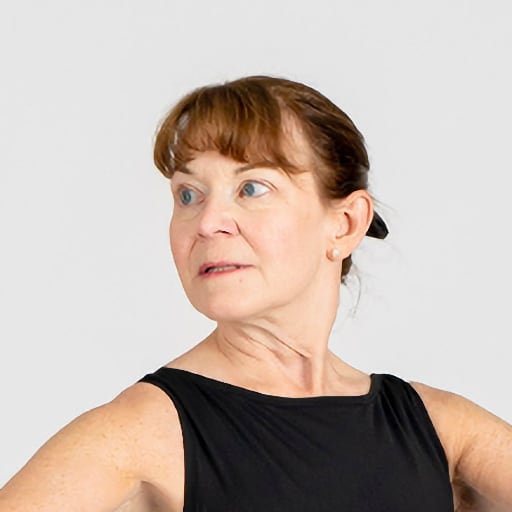
In this two-minute practice session, we dive deep into the specific mechanics required to bring this piece to life. We begin with the foundational walking sequence. Unlike a standard stroll, these steps require deliberate placement and specific footwork. You will learn how to step up and walk with intention, incorporating a specific head turn over one shoulder to enhance your posture and presence. This use of épaulement is crucial for conveying the stern, noble character associated with this variation. Mastering the timing of these looks ensures that your performance feels authentic and grounded.
As the sequence progresses, the technical demands increase. We practice transitioning from powerful lunges into a controlled back arabesque. Stability is key here, especially as you navigate the movement toward what we call fearless land. This sequence is followed by a series of step arabesques performed on both legs, requiring consistent turnout and a strong core to maintain the line. These movements are essential for developing the stamina and control needed for full-length classical variations.
Finally, we work on the turning sequences. You will practice executing pirouettes on both the right and left legs, focusing on the transition from a front pirouette into an arabesque position. Timing is everything in the March of the Knights, so we emphasize the importance of the counts: one, two, three, four, and hold. By focusing on these rhythmic markers, you can ensure your movement aligns perfectly with the driving score. Whether you are preparing for a performance or simply want to challenge your technical skills, this practice guide provides the tools you need to master this dramatic ballet variation.