What You'll Learn
- Distinguish between in-class sight reading and long-term choreographic memory.
- Identify structural patterns like en croix to simplify complex combinations.
- Utilize mental anchors to ground yourself in the sequence of a piece.
- Develop a structured writing system for your dance journal to solidify memory.
- Apply reverse engineering techniques to understand how choreography is constructed.
About This Video
Memorizing ballet choreography is often the most stressful part of a dance class, especially for adult learners. At Broche Ballet, we believe that training your brain is just as essential as training your turnout. In this comprehensive Q&A session, we address the common frustration of losing a combination the moment the music starts.
The key lies in shifting your focus from individual steps to larger structures. Think of it like reading: you do not look at every letter; you recognize whole words and sentences. We teach you how to chunk movements together by identifying familiar patterns.
For instance, instead of remembering four separate leg movements, you might recognize a standard tendu pattern that repeats. We also delve into the difference between sight reading choreography during a fast-paced class and memorizing a piece for long-term retention. While sight reading requires quick reflexes and a sharp eye, long-term memory benefits from deeper analysis and the use of anchors.
Anchors are those pivotal moments—perhaps a big jump or a specific change in direction—that serve as mental landmarks. By identifying these, you can plug in the smaller steps around them. A highlight of this session is our discussion on the power of writing.
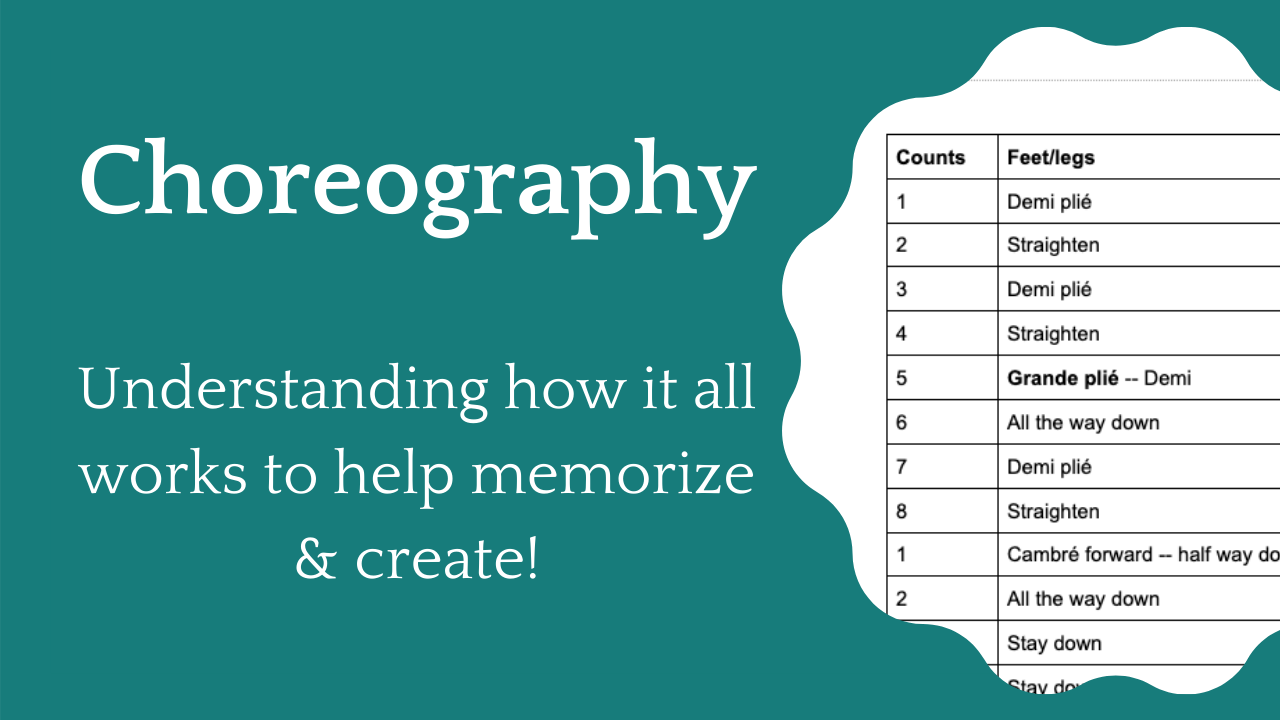
Using a dance journal to document your choreography, including the counts and specific head or arm placements, creates a secondary mental map that solidifies what you learned physically. We even explore the concept of reverse engineering. If you find yourself stuck, try working backward from the end of a phrase.
Understanding how a sequence is constructed logically makes it much easier to recall under pressure. By practicing these mental strategies, you will find yourself picking up steps faster and dancing with the freedom that comes from knowing exactly what comes next. Whether you are a beginner learning your first relevé or an advanced student tackling complex allegro, these tips will transform your practice.