What You'll Learn
- Techniques for managing performance anxiety and mental blocks in ballet
- The connection between foundational barre exercises and successful center turns
- How to stay motivated during the plateau phases of learning pirouettes
- Methods for building self-confidence when tackling difficult choreography
About This Video
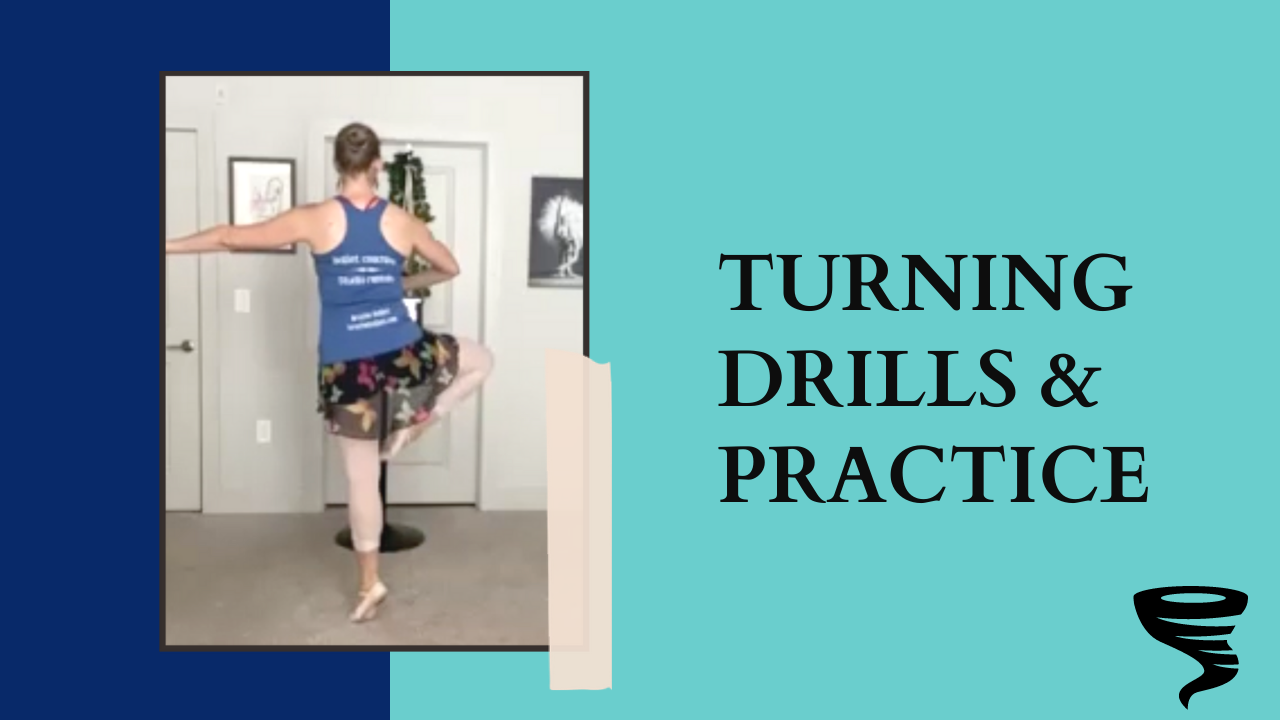
Learning to master a pirouette is a rite of passage for every dancer, but the journey is rarely a straight line. For many adult students at Broche Ballet, the physical mechanics of a turn are often secondary to the mental hurdles we place in our own way. " The pirouette requires a delicate balance of strength and finesse.
It starts at the barre, where we hone our plié and relevé to create a stable foundation. However, when we move to the center, the lack of support often triggers a wave of self-doubt. You might find yourself questioning your path or feeling like you weren't "made" to be a turner.
These mental blocks are normal, but they do not have to be permanent. This video explores the reality of slow progress. Sometimes, it feels like every passé is wobbly and every turn ends in a stumble.
But by breaking down the movement and focusing on incremental improvements—better spotting, a stronger core, or a more explosive push-off—you begin to see that ballet is a skill built through persistence. At Broche Ballet, we believe that every dancer has the potential to land a beautiful pirouette with the right guidance and a positive mindset. If you have ever felt discouraged by a specific step or felt like a certain move was simply impossible for you, this story is for you.
We discuss how to stay motivated when the results aren't immediate and how to cultivate the confidence needed to step away from the barre and into the center. Remember, ballet is as much about training your mind as it is about training your body. Let's redefine what is possible together.