Why Am I Not Improving in Ballet? How to Break Through a Plateau
Plateaus in adult ballet often occur when training becomes repetitive rather than progressive. To break through, shift from simply 'taking class' to 'deliberate practice.' Focus on specific technical foundations—like turnout or core stability—using structured programs like the 12-Week Ballet Reset to identify and fix the underlying mechanical habits holding you back.
Feeling stuck is one of the most common experiences for adult ballet dancers, but it is rarely a sign that you have reached your physical limit. Instead, a plateau usually indicates that your current training method has taken you as far as it can, and it is time to shift your approach. Unlike children who have hours of daily repetition, adults need a more surgical, intellectualized approach to technique to see consistent gains.
Understanding the Non-Linear Nature of Progress
In the Broche Banter episode "From Frustration to Flow," we explore how progress in ballet is rarely a straight line. It often looks like a staircase: you experience a burst of growth, followed by a long period where you feel like you are just maintaining. This 'flat' period is actually where your brain and muscles are integrating new information. If you feel like you aren't improving, you might actually be in the 'consolidation phase.' However, if that phase lasts 3+ months without a shift, it is time to look at your training structure.
Rebuild Your Foundation
Often, the reason an adult dancer stops progressing in Level 2 or 3 is because of a 'glitch' in their Level 1 foundation. If your turnout isn't coming from the hip, or if your weight placement is slightly back in your heels, you will eventually hit a ceiling where you cannot turn faster or jump higher.
Our 12-Week Ballet Reset (105 videos) is designed specifically for this moment. It allows you to strip away the performance and focus entirely on 'cleaning' your technique. By returning to the basics with the eyes of a more experienced dancer, you can find the small mechanical errors—like a drooping elbow or a tilted pelvis—that are preventing your breakthrough.
Shift from "Taking Class" to "Deliberate Practice"
Many adults fall into the trap of taking the same level of class indefinitely. While consistency is good, true improvement requires progressive overload and specificity. If you want higher legs, simply doing more adagio in a standard class may not be enough. You likely need a targeted approach like the Extensions Foundations for Higher Legs program (32 videos), which breaks down the specific strength and flexibility requirements for a high développé or arabesque.
Similarly, if your turns are the bottleneck, you need drills rather than just combinations. Our sessions on Pirouette Landing Control and Your First Pirouettes (93 videos) utilize unique and innovative "target practice" methods—deliberately landing in specific directions to build the neurological control that a standard center combination doesn't provide.
The Power of a Structured Curriculum
Adults often juggle careers and families, leading to a fragmented training schedule. This "randomized" approach makes it difficult for the body to build on previous lessons. To see real change, move toward a modular system like ✨ The Facets of Ballet ✨. This curriculum allows you to choose specific "facets" to master at your own pace, ensuring you aren't just repeating what you already know, but actively filling in the gaps in your knowledge.
For those who need a roadmap, the Level 2 - 90 Days of Daily Practice (120 videos) removes the guesswork. It provides a daily schedule that ensures you are hitting every aspect of technique—posture, turnout, and ballet lines—in a sequence that builds on itself.
Addressing Adult-Specific Limitations
Your plateau might also be a result of how your body recovers. Adults have different recovery needs and prior injuries that can limit range of motion. Programs like Advancing Technique with Posture, Turnout and Ballet Lines (75 videos) teach you how to work with your anatomy rather than against it. By understanding the harmony between your spine, hips, and knees, you can often find "hidden" range of motion that felt stuck simply because of poor alignment.
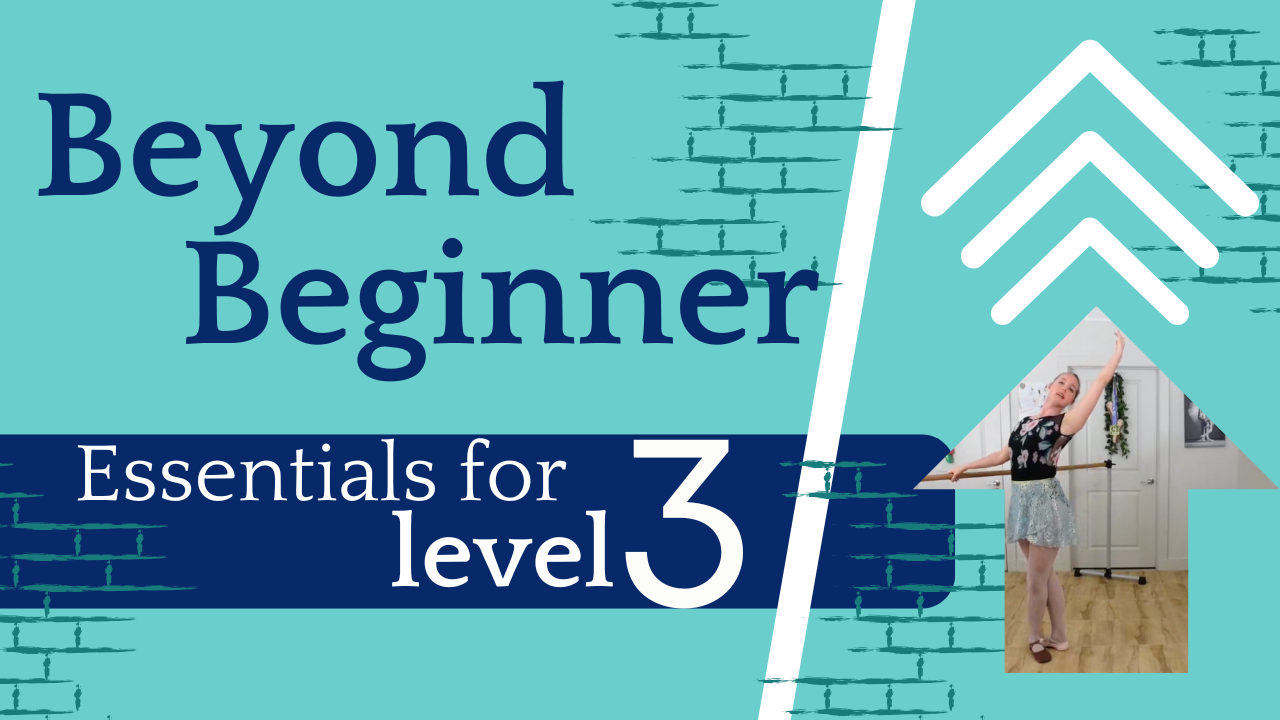
Remember, ballet is a lifelong pursuit. Stagnation is often just a signal to change your perspective. Whether you are returning after a break or trying to graduate from beginner status through our Beyond Beginner program (261 videos), the key is patience combined with a structured plan. You have the intellectual capacity to understand the physics of ballet; use that to your advantage by training smarter, not just harder.
Next step
Related Videos
Watch classes and tutorials related to this topic
 34:08
34:08 From Frustration to Flow: Rethinking Your Ballet Progress
 20:52
20:52 Pirouette Landing Control with Target Practice
 40:14
40:14 Revolutionize your Ballet Training Webinar
 60:59
60:59 Ballet Throughout Life - Ups, Downs, and Maintaining Motivation Through it All | Interview with Jessica Maddox
 8:57
8:57 What to work on next? Programs breakdown, orientation, and how to use Broche Ballet Online
 30:51
30:51 The Multiple Meanings of "Beginner": Unpacking a Complicated Word
 37:21
37:21 Level Up Beyond Beginner in the Center - Learning Back Soutenu plus review Emboîté & Practice Reversing Combinations
 27:37
27:37 Types of Turns | Class #2 | Bridging the Gap Between Beginner & Intermediate Center
More Programs
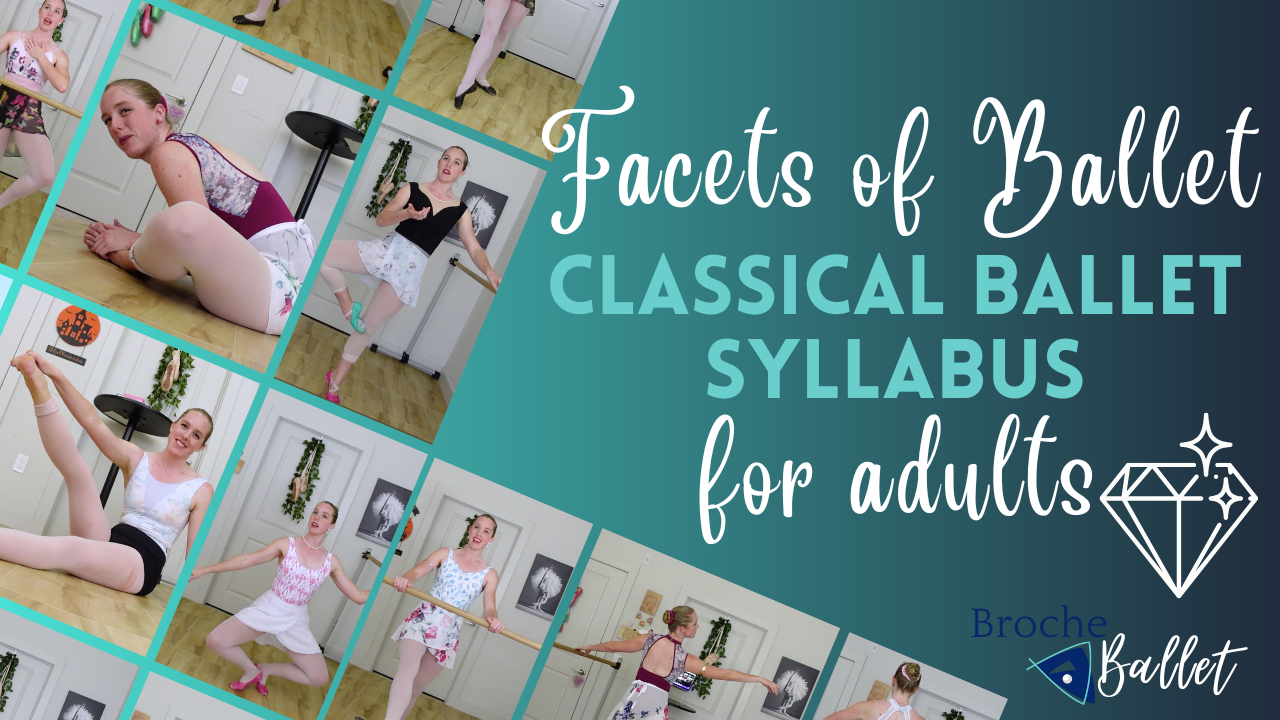
✨ The Facets of Ballet: A Complete Adult Ballet Curriculum ✨
At Broche Ballet, we know you don’t just want a quick challenge—you want a structured roadmap to becoming the dancer of your dreams. The Facets of Ballet is not just a collection of classes—it’s a progressive, modular training system that puts YOU in control of your ballet journey. With The Facets of Ballet Basics to Brilliance Program, you choose the skills you want to focus on and train at your own pace—whether you follow the full sequential roadmap or go deep in the areas you love most.
28 classes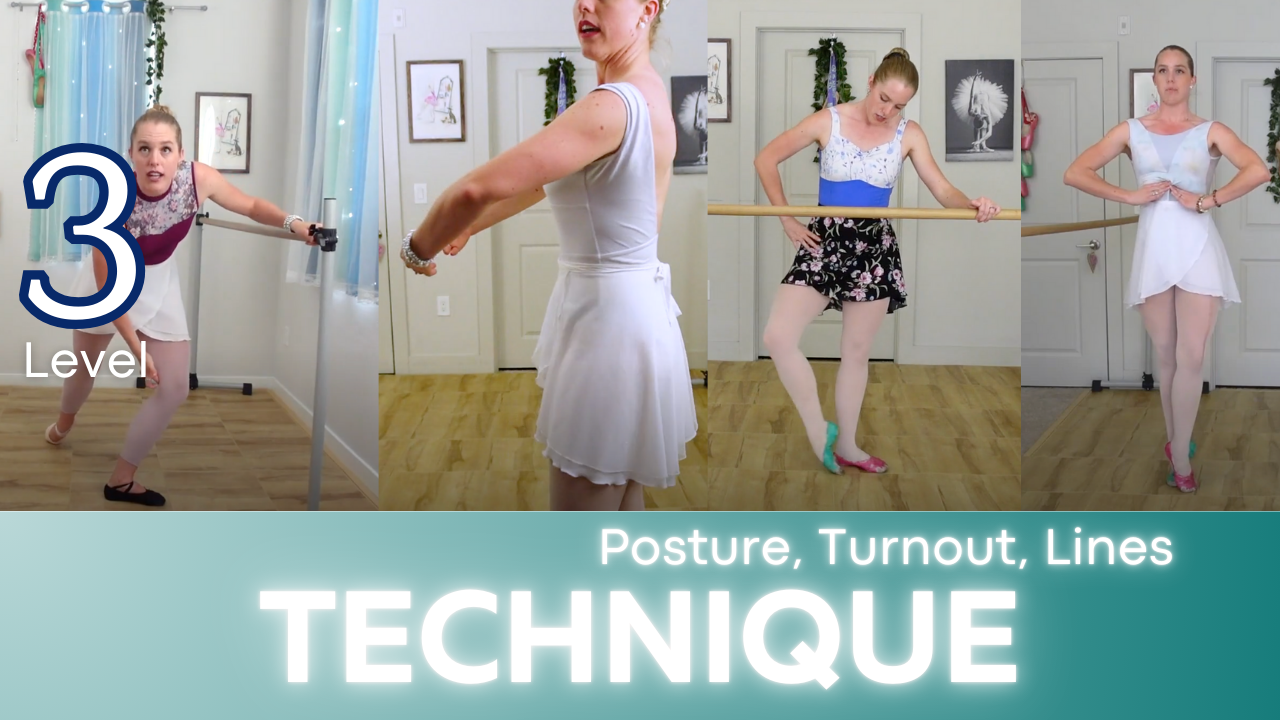
Advancing Technique with Posture, Turnout and Ballet Lines
Advancing Technique: From Head-to-Toe. Take your technique to the next level with a comprehensive, full-body approach designed to bring each part of your body into harmony. Level 3 addresses proper usage of hips, spine, Turnout, Feet, Knees, Elbows
75 classes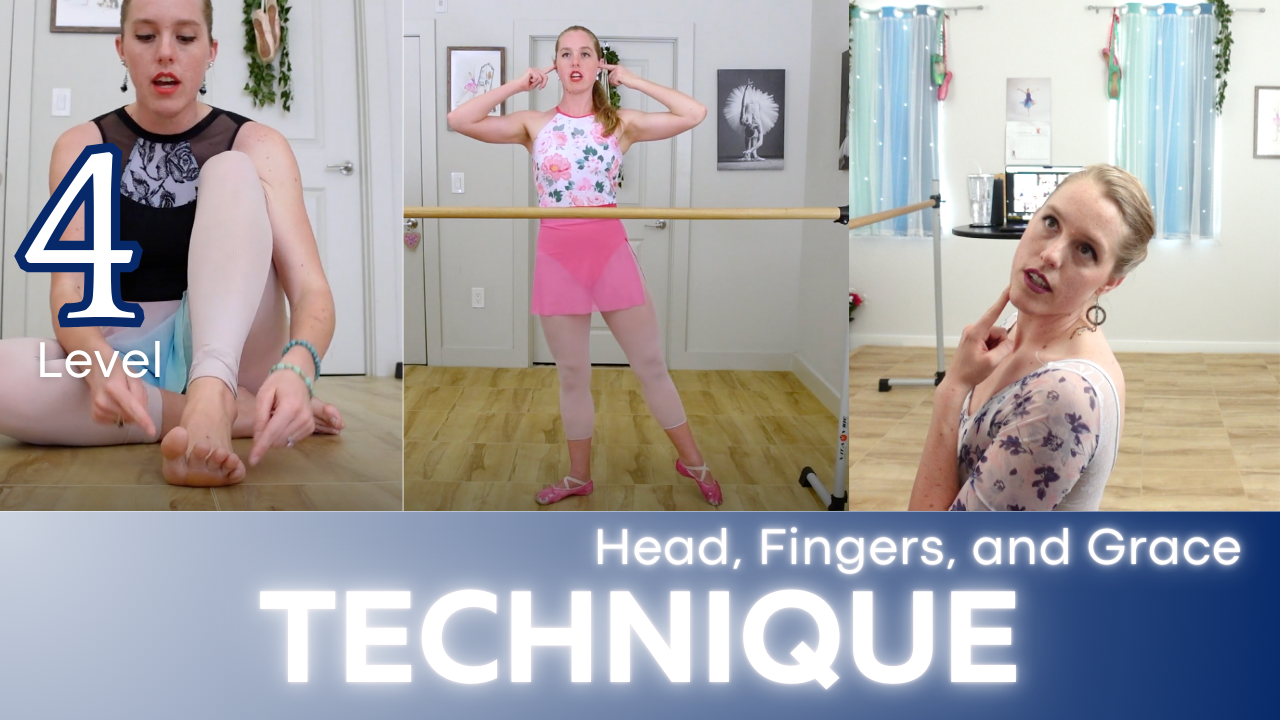
Head, Épaulement, Fingers and Beautiful Ballet Lines
Focus Areas: Shoulders, Head, Neck, Feet and Toes, Wrists, Hands, Fingers. Delve into the finer details of ballet technique and artistry in Technique, Level 4. This program emphasizes the beauty of movement, with a focus on the shoulders, head, neck, feet, toes, wrists, hands, and fingers to bring grace and sophistication to your dancing.
72 classes