What You'll Learn
- How to identify and use specific calibration points in retiré for better stability.
- The role of the upper back and ribcage in stabilizing your center of gravity.
- Techniques for finding opposition and balance through subtle body twists.
- Why falling is a diagnostic tool for improvement rather than a mistake.
- Specific adjustments for maintaining balance during relevé and center transitions.
About This Video
In this 20-minute intensive session from Broche Ballet, Julie breaks down the elusive art of balancing. Often, dancers view balance as a static, immovable state. However, true stability is a dynamic process of constant micro-adjustment and calibration.
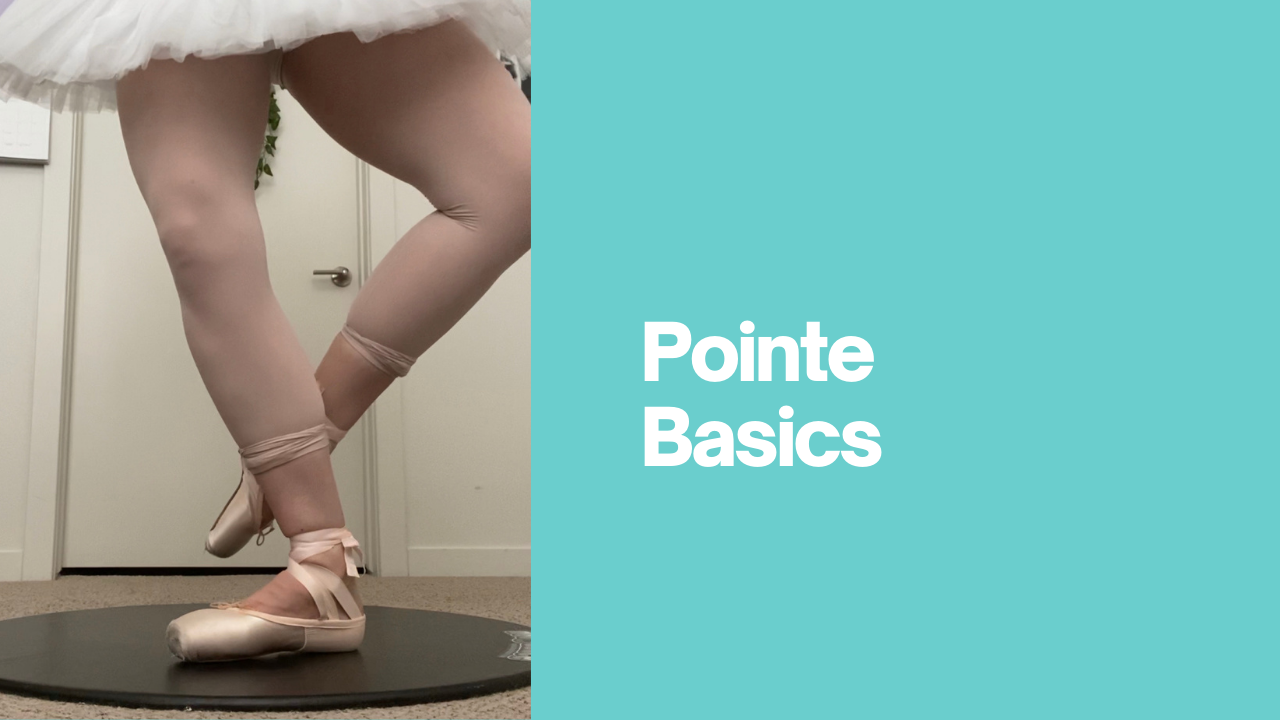
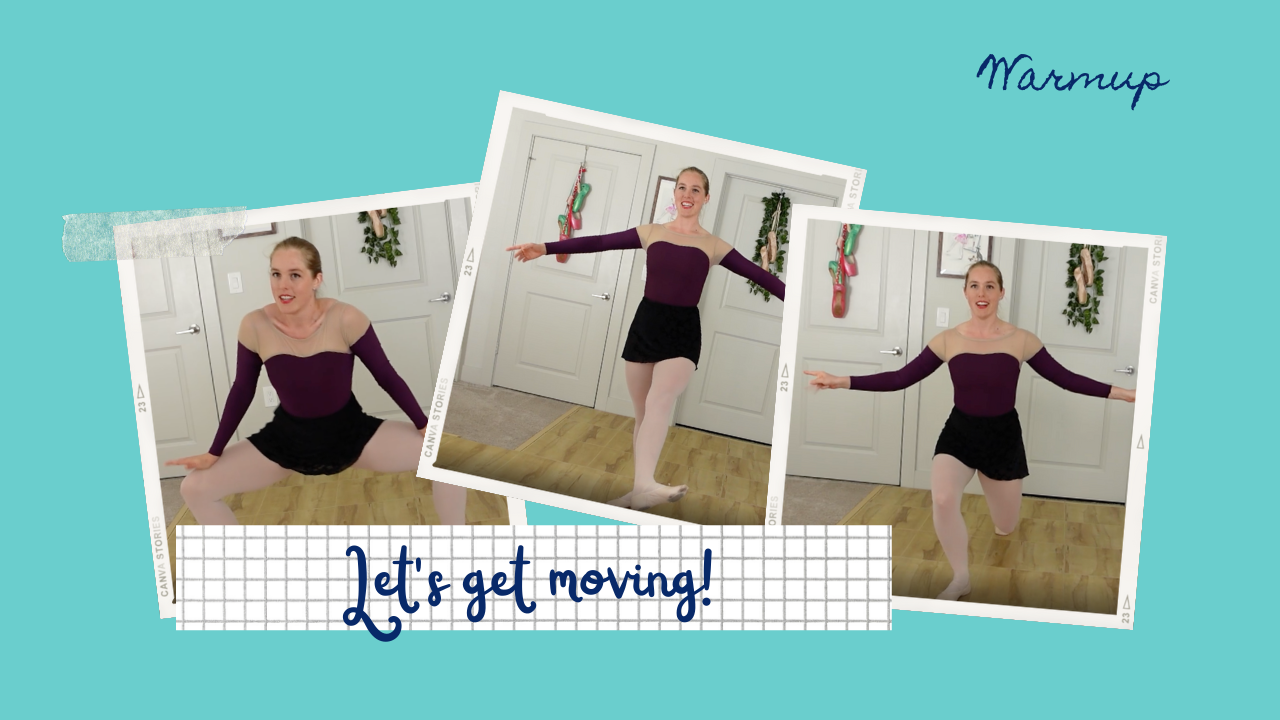
This class focuses on moving away from the fear of falling and instead provides you with a roadmap of what to do when your center shifts. We begin at the barre with a comprehensive warmup designed to activate the core and align the skeletal structure. The primary focus of the session is on the retiré position, though the principles covered are applicable to all aspects of ballet technique.
You will learn how to identify your personal calibration points, focusing specifically on the relationship between the hips, the ribcage, and the upper back. Julie explains how a subtle twist of the torso toward the standing leg can create the necessary opposition to keep you centered over your supporting foot. The drills progress from basic retiré to more challenging relevé exercises.
By removing the hand from the barre, you are encouraged to feel where your weight is truly settled. If you find yourself falling toward the barre or away from it, Julie provides specific technical cues to bring yourself back to the midline. This includes adjusting the knee position to create opposition and ensuring the upper back stays forward and lifted.
In addition to retiré, the class explores balance in positions such as à la seconde. You will practice twisting slightly toward and away from the barre to find your true center. This experimental approach allows you to map out the boundaries of your balance.
Remember, the goal is not to never fall; the goal is to develop the awareness and technical skill to catch yourself and realign. This mindset shift is crucial for any dancer aspiring to professional-level control and artistry. Mastering these calibrations at the barre will build the muscle memory needed for effortless stability in the center.