What You'll Learn
- Using the hips as the primary engine for power and control en pointe
- The technical mechanics of a successful tombé pas de bourrée transition
- Mastering the arc of the hip for stability in piqué arabesque
- Developing balance and confidence through center-floor pointe exercises
- Engaging the upper back and core to maintain proper posture and alignment
About This Video
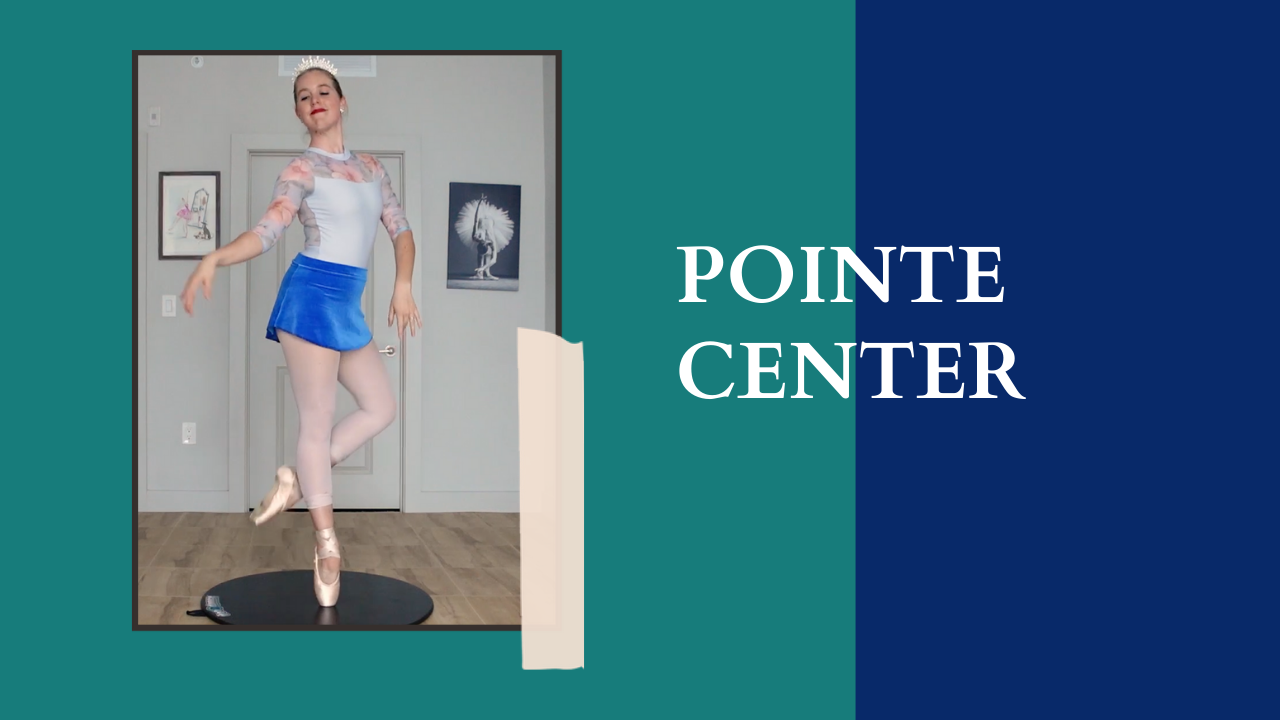
Welcome to this comprehensive 45-minute intermediate ballet pointe class at Broche Ballet, designed to refine your technique and build unwavering confidence en pointe. This session is structured to provide a thorough progression, beginning with a 20-minute barre warmup, followed by 10 minutes of center work for balance, and concluding with 15 minutes of intermediate pointe combinations. Our primary focus in this lesson is the concept of the hips as the "engine" for movement.
Whether you are executing a tombé, a pas de bourrée, or a piqué arabesque, the power and control originate from pelvic alignment and core engagement. You will learn how to direct your energy upward during a tombé to prepare for the subsequent step, rather than letting the weight drop heavily. By keeping the hips high and engaged, you create the necessary space for fluid footwork and stable transitions.
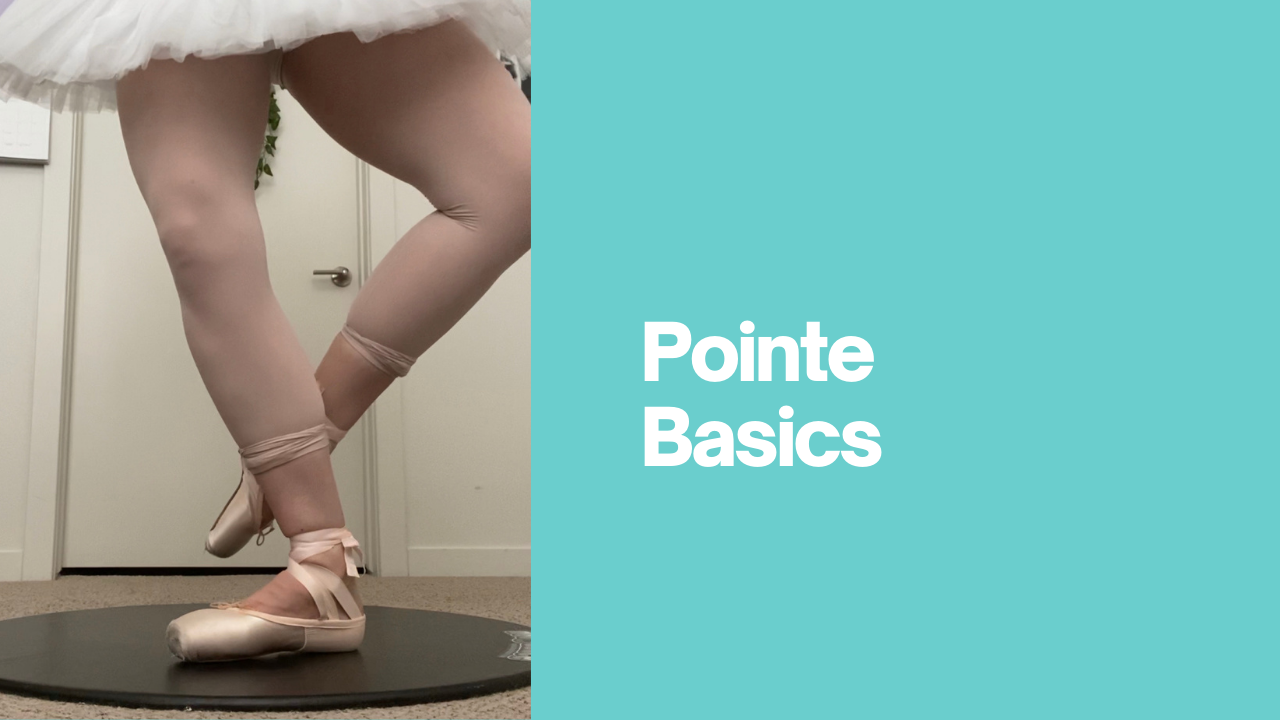
In the center portion of the class, we dive deep into the mechanics of piqué movements and sous-sus. You will practice how the hip makes a specific arc to guide the body into a stable piqué arabesque, using the port de bras for support and balance. We also emphasize the importance of foot shaping; as the foot comes off the floor, it must be active and shaped to maintain poise.
This attention to detail ensures that even fast-paced movements like bourrée steps remain elegant and controlled. Throughout the class, instructor Julie guides you through technical corrections for your plié and relevé, ensuring your heels and core are working in harmony. You will learn how to "walk like a cat" on demi-pointe to build the strength required for complex center combinations.
By the end of this session, you will have a better understanding of how the upper back and core engagement support your lower body, allowing you to dance with greater freedom and artistry.