
What You'll Learn
- How to execute a seamless allongé to add length and breath to your lines.
- The specific mechanics of opening the arms from first to second position with control.
- Techniques for syncing your port de bras with tendu and plié exercises for a cohesive look.
- Strategies for interpreting music through fluid and expressive upper-body movement.
- The importance of slow-motion practice for developing professional precision and control.
About This Video
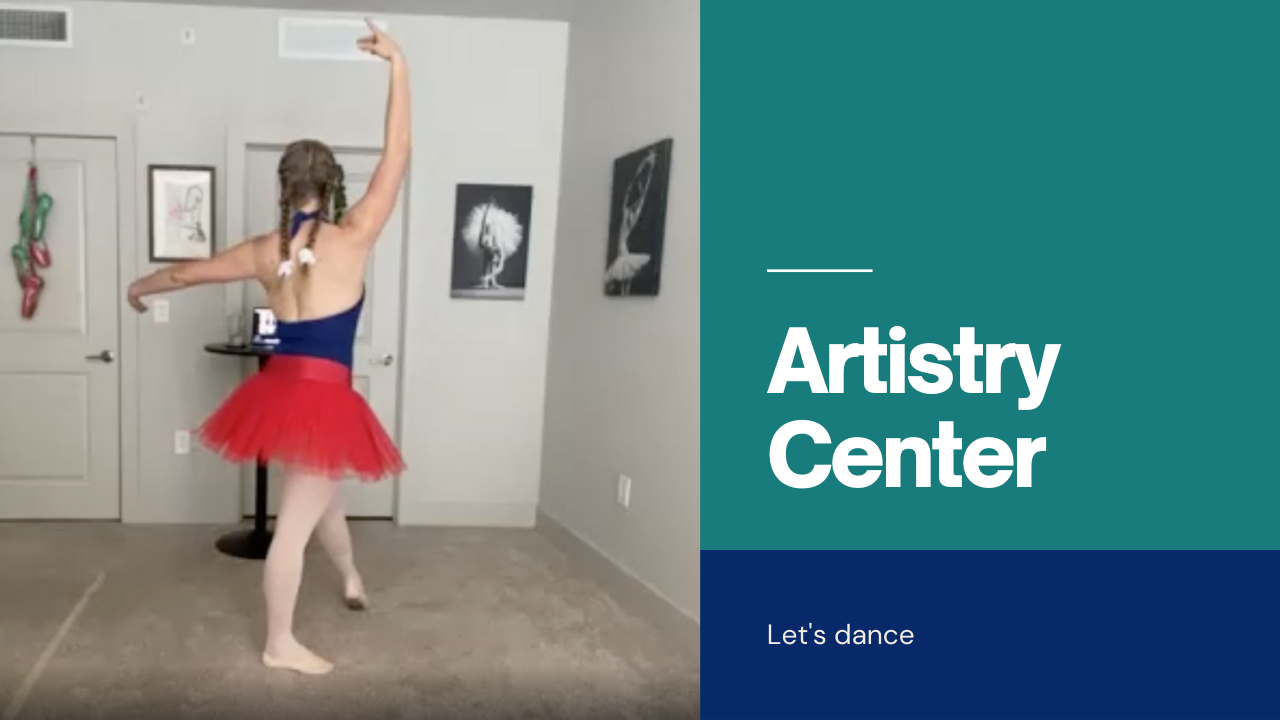
In this installment of the Artistry Center from Broche Ballet, we dive deep into the nuances of port de bras. While technical footwork often takes center stage in training, it is the carriage of the arms and the refinement of the upper body that truly defines a dancer's artistry and professional polish. This session focuses on creating a "visible music" sensation, where every movement feels like a physical extension of the melody you hear.
The instructor leads you through a series of exercises that emphasize the allongé—the lengthening or "elongated" line that adds breath, soul, and continuity to your dancing. You will practice moving slowly and deliberately, ensuring that every transition from first position to second position is controlled and fluid. A key focus is the precise sequence of the arm opening: reaching the hand toward the correct placement before allowing the elbow to roll into its final position.
This level of detail transforms a simple movement into a professional-grade execution. Throughout the practice, we integrate these upper-body movements with foundational steps like tendu and plié. You will learn how to "pick up" the foot with the movement of your arms, creating a cohesive, whole-body experience that feels integrated rather than disjointed.
By practicing these port de bras in slow motion, you develop the muscular control and precision required for both adagio and allegro work later in class. Ballet is more than just a series of positions; it is a story told through movement. We explore how to use breath and relaxation to remove tension from the shoulders, allowing the port de bras to flow naturally from the back.
By listening closely to the music, you will learn to fit your body into the rhythm, creating a seamless connection that captivates an audience. Whether you are working at the barre or in the center, these techniques will help you move with greater expression and confidence.




