What You'll Learn
- Techniques for muscle activation in the arms using the closed-fist method
- How to maintain the 'illusion of softness' in the hands and fingers
- Proper alignment for second position and the allongé movement
- Coordinating head placement and épaulement for enhanced artistry
About This Video
In the world of classical ballet, the movement of the upper body—known as port de bras—is what separates a mechanical performance from true artistry. This 14-minute practice session from Broche Ballet focuses on the intricate details of 'Beautiful Arms and Head Artistry,' helping you transform your technique from simple positions into expressive, fluid lines. Whether you are working on the reach of an arabesque or a simple transition through first position and second position, the way you carry your arms and head defines your overall dance quality and presence.
One of the unique techniques covered in this session is the use of a closed fist to initiate muscle activation. ' Once the muscles are primed, you will learn to transition into the 'illusion' of soft, energetic fingers. This balance of internal tension and external grace is the secret to professional-looking ballet lines.
Many dancers struggle with "dead" arms; this exercise ensures that every inch of the limb is alive and contributing to the movement. We dive deep into the geometry of the upper body, specifically focusing on the 90-degree arm angles in second position. You will learn how to keep the elbows lifted above the wrists, ensuring your alignment remains crisp and energized even during complex center combinations.
The session also addresses forearm rotation and the nuances of the allongé movement. By understanding how to allonger the arm while coordinating a subtle head tilt, you create a more expansive and breathable performance quality that draws the audience in. Finally, we explore the vital role of épaulement.
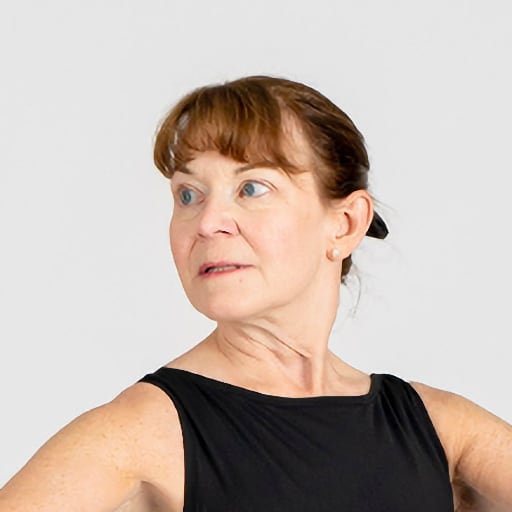
Coordination between the head and neck is essential for a cohesive look. You will practice specific head placements, such as tilting the ear back or looking over the shoulder, to perfectly complement the movement of the arms. These micro-details, from pinky placement to the direction of your gaze, are what create the seamless connection between your technical foundation and your unique artistic expression.
Join Broche Ballet for this focused practice and elevate your center work with these essential artistry tips.