
What You'll Learn
- Proper landing techniques in plié to ensure safety and joint protection
- Technical breakdowns of the glissade, assemblé, and jeté
- How to use a brush to initiate jumps with power and height
- Strategies for maintaining balance and turnout during quick movements
- Integrating petite allegro steps into fluid, rhythmic dance combinations
About This Video
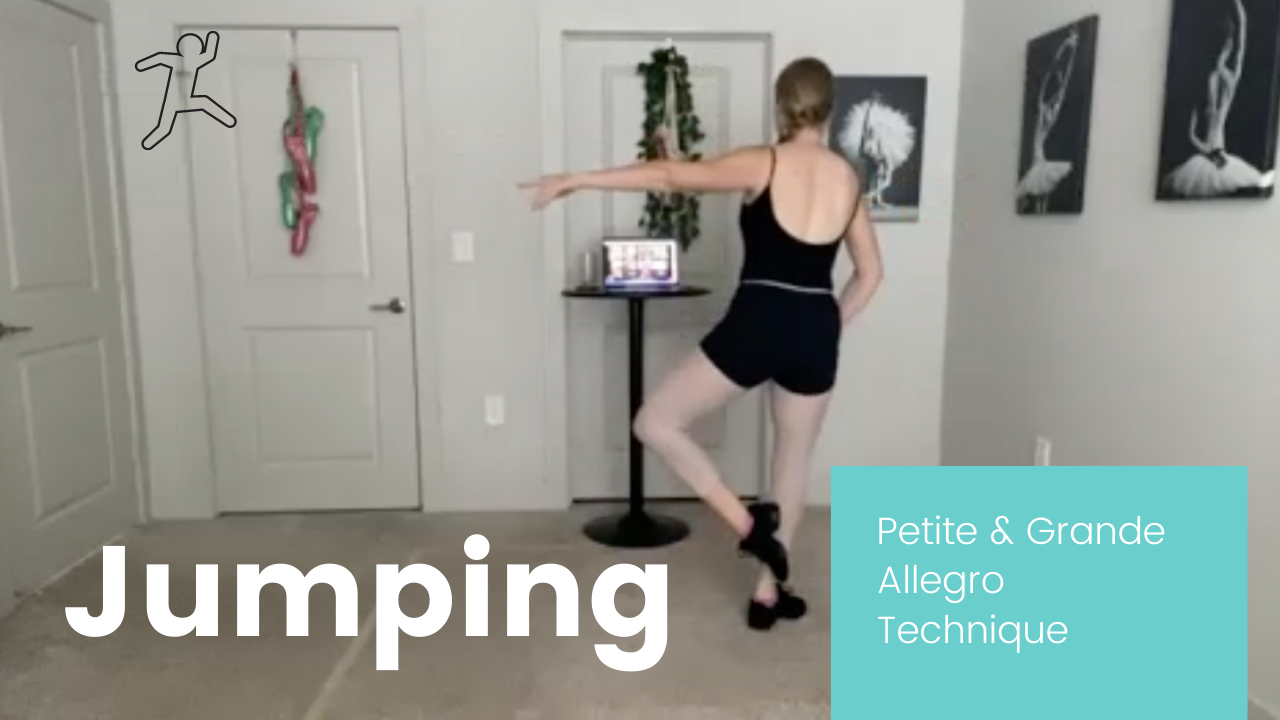
Elevate your dance practice with this focused 10-minute tutorial on petite allegro foundations from Broche Ballet. Petite allegro, or "small, brisk" movements, represents the heart of ballet's dynamic energy. This session is meticulously designed to help beginner dancers transition from static barre work to the buoyant world of jumping.
The lesson begins with a critical review of safety tips. In ballet, the way you land is just as important as the way you take off. Our instructor emphasizes the necessity of a deep plié to absorb shock and protect the knees and ankles.
You will learn the mechanics of the brush that powers many of our jumps, ensuring you achieve maximum height with minimal strain. We provide a detailed breakdown of three essential petite allegro steps: the glissade, the assemblé, and the jeté. The glissade, or gliding step, often serves as a preparatory movement, and we focus on the side-to-side weight transfer required for a seamless transition.
Next, we master the assemblé, focusing on the precise moment the legs join in the air to land simultaneously in a closed position. Finally, we tackle the jeté, teaching you how to spring from one foot and land gracefully on the other. Throughout the class, Broche Ballet's expert instruction focuses on maintaining proper alignment and turnout even while in motion.
We move through various tempos, allowing you to first master the coordination at a slow pace before challenging your muscle memory with quicker counts. By focusing on these technical building blocks, you will develop the balance and control necessary for more advanced combinations. Whether you are practicing in a studio or a home space, this guide offers the technical insights needed to jump with confidence and grace.
Understanding the mechanics behind each movement helps in developing a professional aesthetic. Practicing these sequences regularly will build the cardiovascular endurance required for longer ballet variations.