
What You'll Learn
- Essential jumping safety tips to protect your knees and back using a proper plié
- A step-by-step breakdown of slow, controlled glissades to improve coordination
- Specific technique tips for the assemblé, including the 'under the nose' foot placement
- How to build muscle memory and control through repetition and slow-tempo practice
About This Video
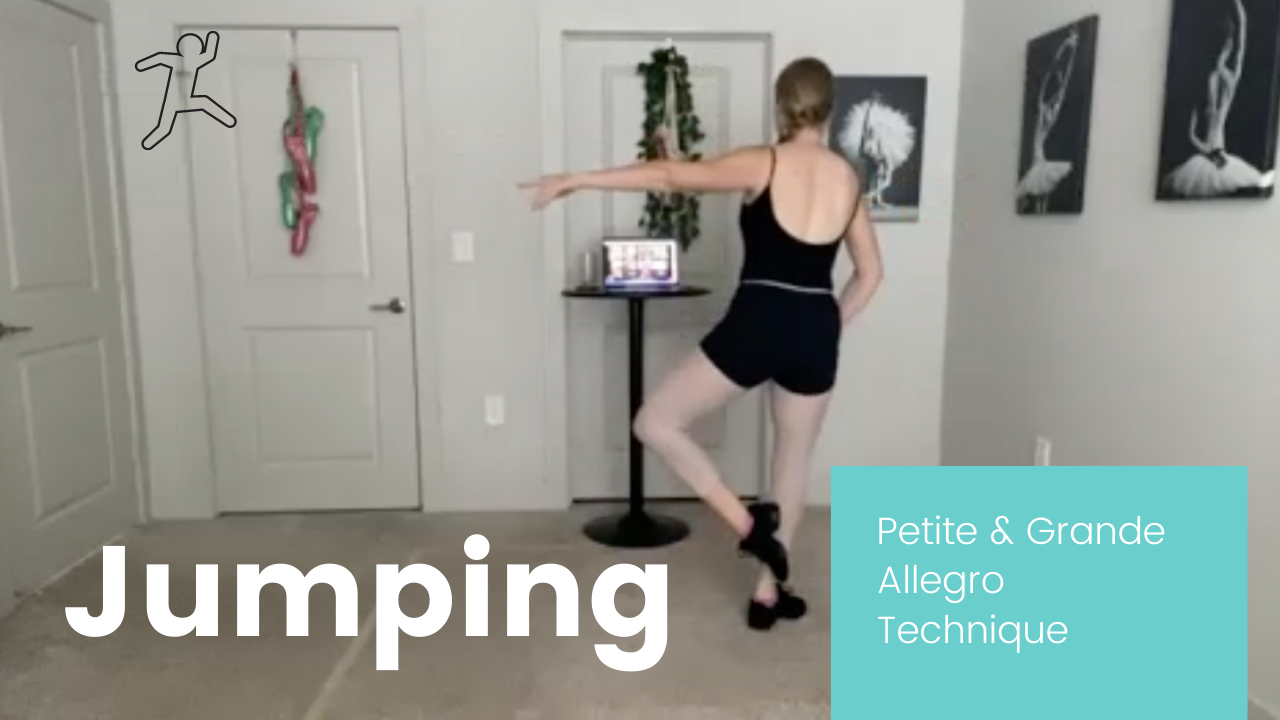
Jump into the world of petite allegro with this focused 10-minute practice session from Broche Ballet. Designed specifically for beginner adult dancers, this class breaks down two of the most essential jumping steps in the ballet vocabulary: the glissade and the assemblé. Understanding these movements is the key to moving across the floor with grace, speed, and precision.
The class begins with a fundamental warm-up consisting of 64 small jumps. This isn't just about cardio; it's about establishing the correct alignment and mechanics for jumping. We emphasize the importance of a deep plié before and after every jump to act as a shock absorber for your knees and back. Landing softly through the feet—from toe to ball to heel—is a vital skill that protects your body and enhances your overall performance quality.
Next, we dive into the glissade. Often used as a preparatory or connecting step, the glissade requires a smooth glide across the floor. By practicing this movement at a slow tempo, you can focus on the technical details: the initial brush, the moment of suspension in the air, and the precise closing into fifth position. We emphasize keeping the heels connected to the floor during the plié to ensure a powerful push-off and a secure landing.
The highlight of this session is mastering the assemblé. Many students struggle with the mechanics of "assembling" the legs in the air. We provide a game-changing tip: instead of extending the leg far to the side, focus on bringing the working foot directly under your nose. This centering technique helps you maintain your vertical axis, making it significantly easier to join your feet together before landing simultaneously on two feet.
Consistency is the secret to progress in ballet. It may take several weeks of repetition for these movements to feel natural, but this structured practice provides the foundation you need. Whether you are practicing at home or in the studio, these slow and controlled exercises will build the strength and coordination necessary for faster, more complex petite allegro combinations. Join us at Broche Ballet as we refine your technique one jump at a time.