
What You'll Learn
- Proper alignment for safe landings, keeping the pelvis level and tailbone down
- The step-by-step breakdown of glissade and assemblé mechanics
- How to use port de bras to support and create lift during jumps
- Building stamina through repeated sautés and changements
About This Video
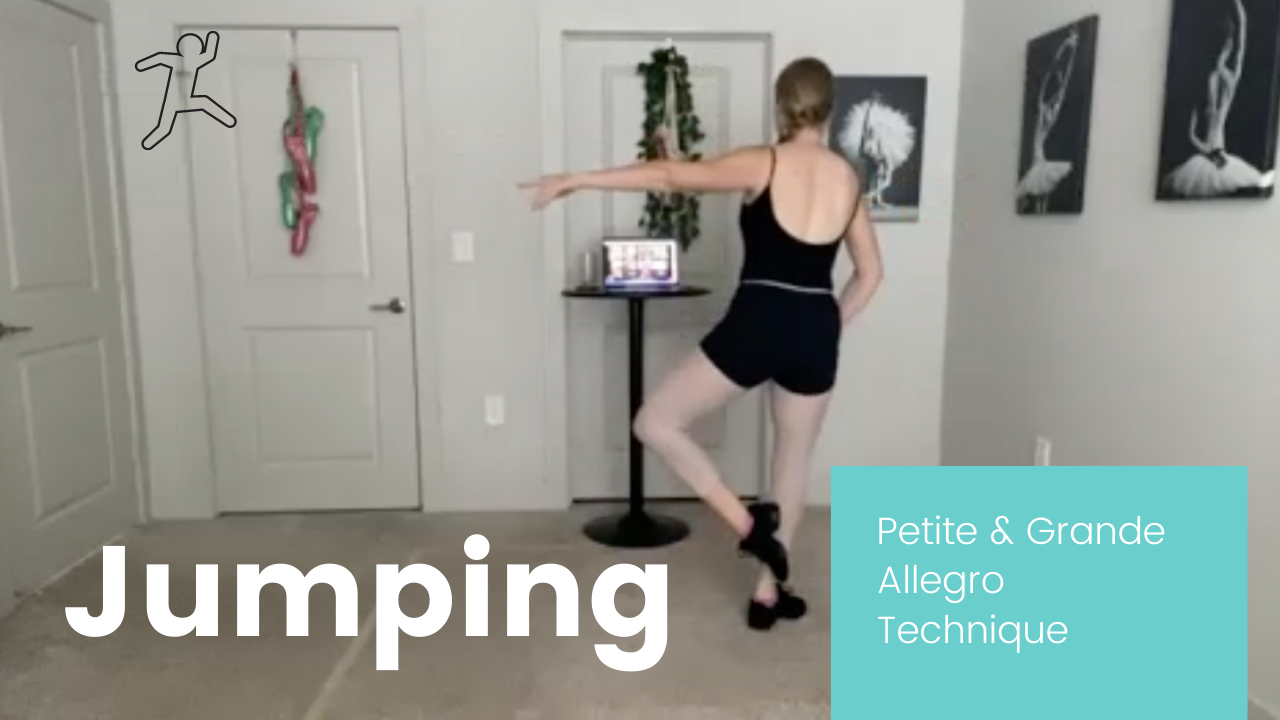
In this focused tutorial from Broche Ballet, we dive into the fundamental movements of petite allegro, specifically targeting the glissade and the assemblé. Jumping in ballet requires a delicate balance of strength, timing, and precise alignment. This session is designed for beginners who want to build a solid foundation in their jumping technique through slow repetition and clear, technical guidance.
The class begins with essential safety tips to ensure you are jumping correctly and efficiently. One of the most important elements of any sauté or jump is the landing. You will learn how to land with your tailbone down and your pelvis level with the ground to maintain a neutral spine and absorb shock safely.
Additionally, we emphasize the importance of tracking, ensuring your knees and toes always face the same direction to protect your joints during both take-off and landing. We then move into the specific mechanics of the movements. The glissade, which means "to glide," is a traveling step that starts in a plié, brushes one foot out, jumps slightly, and then closes the other foot.
We break this down into a "start down, brush, jump, close" rhythm that helps students internalize the coordination. Similarly, the assemblé is a jump where you brush one leg into the air and "assemble" both legs together in the air before landing on two feet in fifth position. Upper body strength is just as important as leg power in petite allegro.
This video covers the necessary port de bras, or carriage of the arms. By keeping your elbows forward and maintaining a strong, supported frame, you can create the lift needed for more complex jumps. You will also practice a series of changements to build the necessary stamina and coordination for longer allegro combinations.
By the end of this 10-minute practice, you will have a better understanding of how to coordinate your arms and legs to create fluid, airy jumps.