
What You'll Learn
- How to isolate toe movement from the ankle to achieve a crisp triple rond de jambe
- The relationship between foot articulation and gaining height in jumps
- Proper execution of tendu and demi-pointe during complex footwork patterns
- Corrections for common mistakes like inward rotation or using the ankle instead of the toes
- Techniques for maintaining stability and port de bras while executing rapid floor work
About This Video
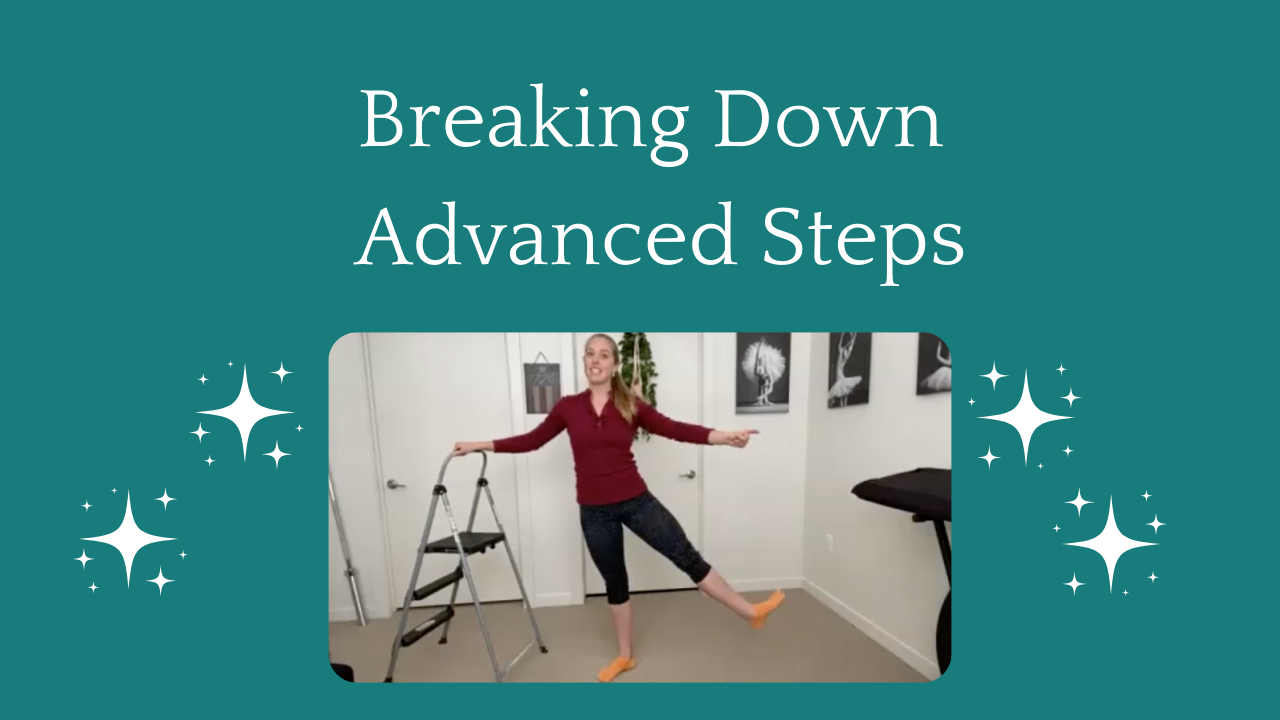
Take your footwork to the next level with this specialized lesson from Broche Ballet. In this tutorial, we dive deep into the mechanics of the triple rond de jambe, a challenging variation that requires immense control and articulation. Often used to bridge the gap between intermediate and advanced training, this step focuses on the intricate relationship between the toes and the ankle.
The core of the triple rond de jambe lies in isolating the movement of the toes on the floor. Unlike a standard rond de jambe à terre that moves through a large arc, the triple version involves a series of quick, small circles—one, two, and three—performed with the foot in a demi-pointe position. Our instructor demonstrates how to keep the ankle still while using the toes to scoop and flick, creating a precise and rhythmic pattern.
This level of articulation is not just for aesthetic appeal; it is a foundational skill for jumping and landing gracefully. By mastering the action of the demi-pointe, dancers can achieve greater height in their jumps and more control when falling long into a plié. Throughout the video, we address common technical pitfalls.
Many dancers inadvertently let their leg turn in or allow the ankle to do the work instead of the toes. We provide specific cues to keep the leg rotated out and ensure the ankle remains stable. You will practice these sequences with music, learning how to coordinate your port de bras and maintain a strong core while your feet work at high speed.
The lesson also emphasizes the importance of the return path of the foot. When performing the movement to the back, it is essential to keep the toe pointed as it extends away, pulling it back in with precision before repeating the cycle. This creates the illusion of a continuous circle even though the mechanical action is a series of sharp, controlled movements.
Whether you are preparing for advanced variations or simply want to strengthen your tendu and foot articulation, this Broche Ballet class provides the technical breakdown necessary for success.