What You'll Learn
- The fundamental mechanical difference between en dehors and en dedans turns
- How to use a 'body first' approach to generate momentum for inward turns
- Why the leg provides power in en dehors but acts as a closing mechanism in en dedans
- Techniques for stabilizing the standing leg during a deliberate body twist
- How to maintain alignment and center of gravity while initiating circular momentum
About This Video
Welcome to Broche Ballet’s guide on refining your turning technique. One of the most common challenges for intermediate dancers is understanding why en dedans (inward) turns often feel so different from en dehors (outward) turns. The secret lies in the source of your momentum.
In this tutorial, we break down the "body first" versus "leg first" approach to help you achieve more controlled and powerful pirouettes. " The working leg opens and generates a sweeping power that pulls the rest of the body around the axis of the standing leg. Because the leg is moving away from the center before closing into passé, it provides natural centrifugal force.
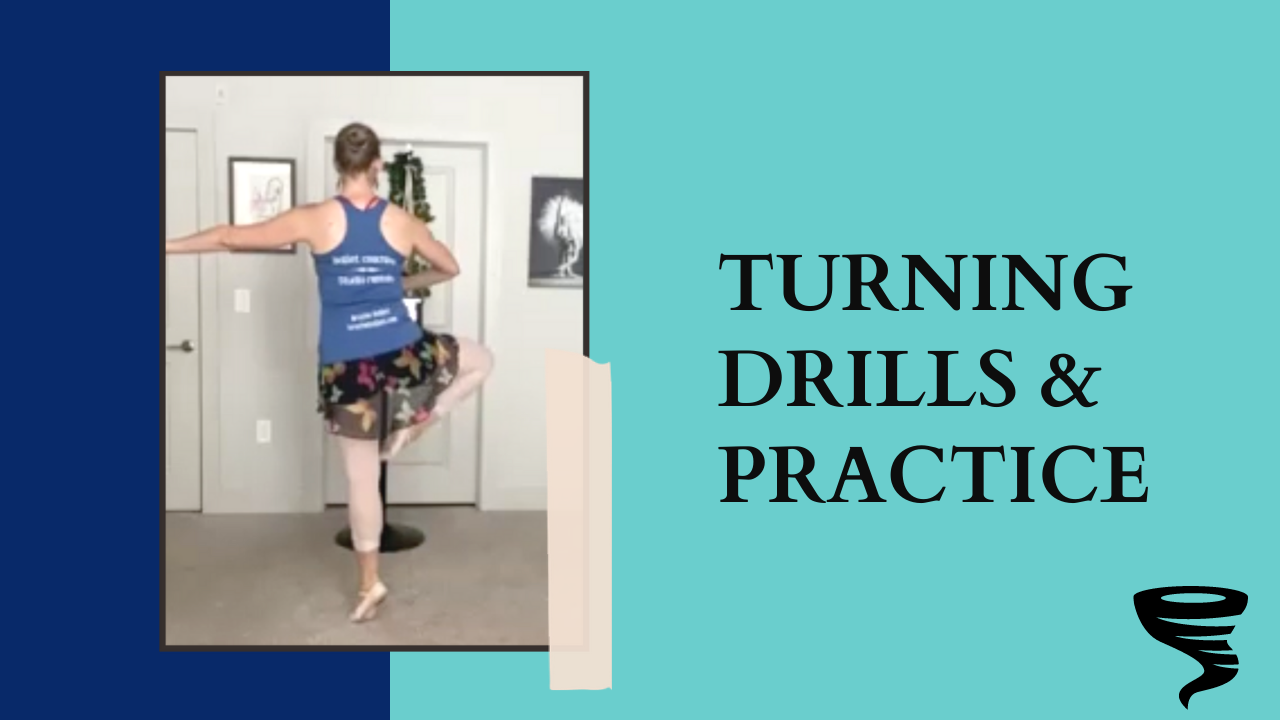
However, many dancers try to apply this same logic to en dedans turns, only to find themselves falling off balance or lacking rotation. For en dedans turns, you must adopt a "body first" strategy. Unlike outward turns, the leg does not provide the primary turning power; instead, it simply closes as it moves toward the standing leg.
To create the necessary circular momentum, you must initiate the turn by twisting your torso over your standing leg. This deliberate engagement of the core and shoulders creates the torque required to spin. By focusing on the twist of the body rather than just the movement of the leg, you ensure that your center of gravity remains aligned over your supporting foot.
This shift in perspective allows for a more stable relevé and a cleaner finish. Whether you are practicing at the barre or in the center, mastering this distinction will transform your consistency in turns. Join us at Broche Ballet as we dive deep into the physics of dance to help you reach your full potential.