What You'll Learn
- The geometric reason behind arm timing and speed in a pirouette.
- How to coordinate the left and right sides of the body for maximum stability.
- Techniques for faster arm closure to improve rotation snap.
- How to maintain a square frame and avoid dragging the second shoulder.
About This Video
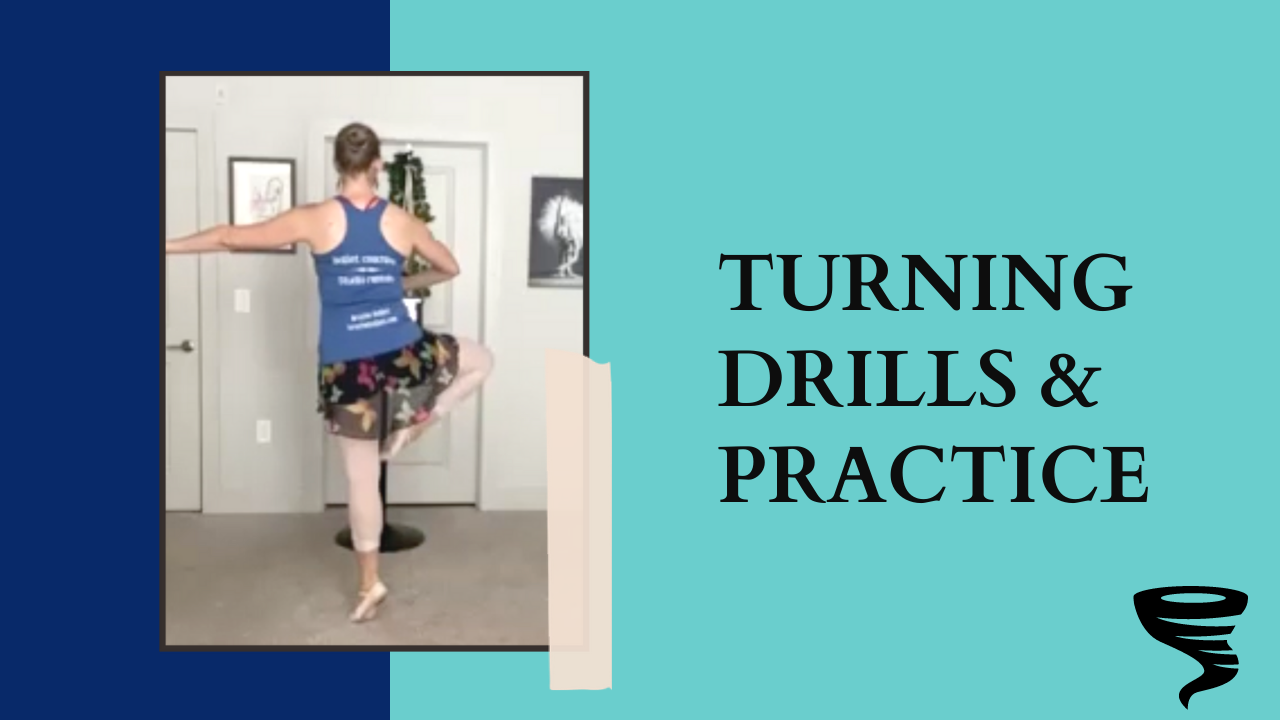
Perfecting your ballet pirouette technique involves more than just a strong push-off from the floor. At Broche Ballet, we believe that understanding the subtle mechanics of your upper body is the key to unlocking consistent, balanced turns. In this targeted lesson, we focus on a vital but often overlooked detail: the relative speed of your arms during the initiation of a turn.
When you begin a pirouette, your arms typically transition from a preparation into a rounded first position. However, the distance each arm travels is not equal. Your first arm (the leading arm) is already relatively close to your center line.
In contrast, your second arm (the trailing arm) starts much further away. For both hands to arrive in the center at the exact same moment to form a stable circle, the second arm must move significantly faster than the first. This 'catch-up' movement is essential for maintaining your vertical axis.
If the second arm lags behind, it creates a weight imbalance that can pull you off your leg or cause your shoulders to twist unevenly. By consciously accelerating the second side of the body, you ensure that your frame remains square and your weight stays centered over your supporting leg in relevé. This coordination is just as important as the height of your passé or the depth of your plié.
Practicing this specific timing will help you achieve a cleaner 'snap' and more rotations. Whether you are performing a single turn or working toward doubles, the synchronization of your upper body provides the stability needed for success. We recommend practicing this movement slowly at the barre first, perhaps during a promenade, to feel the alignment before attempting full speed in the center.
With consistent practice and attention to these fine details, you will find more control and confidence in every pirouette you take.