What You'll Learn
- The functional difference between shock-absorbing sprung floors and high-friction Marley surfaces.
- Safety protocols for dancing on different home surfaces, including wood, tile, and carpet.
- Why high-impact movements and pointe work should be avoided on concrete and plush carpeting.
- How to use portable Marley mats to improve the safety and feel of tile or hard-surface floors.
- Identifying which ballet classes, such as turnout foundations and pre-pointe, are best suited for home practice.
About This Video
Transitioning your ballet practice to a home environment is a major milestone, but it requires careful consideration of the surfaces under your feet. At Broche Ballet, we prioritize dancer longevity and safety. This guide explores how common household floors like wood, tile, carpet, and concrete affect your technique and joint health. Understanding the difference between professional studio features—such as sprung wood floors for shock absorption and Marley for controlled friction—and your home environment is the first step toward a sustainable practice.
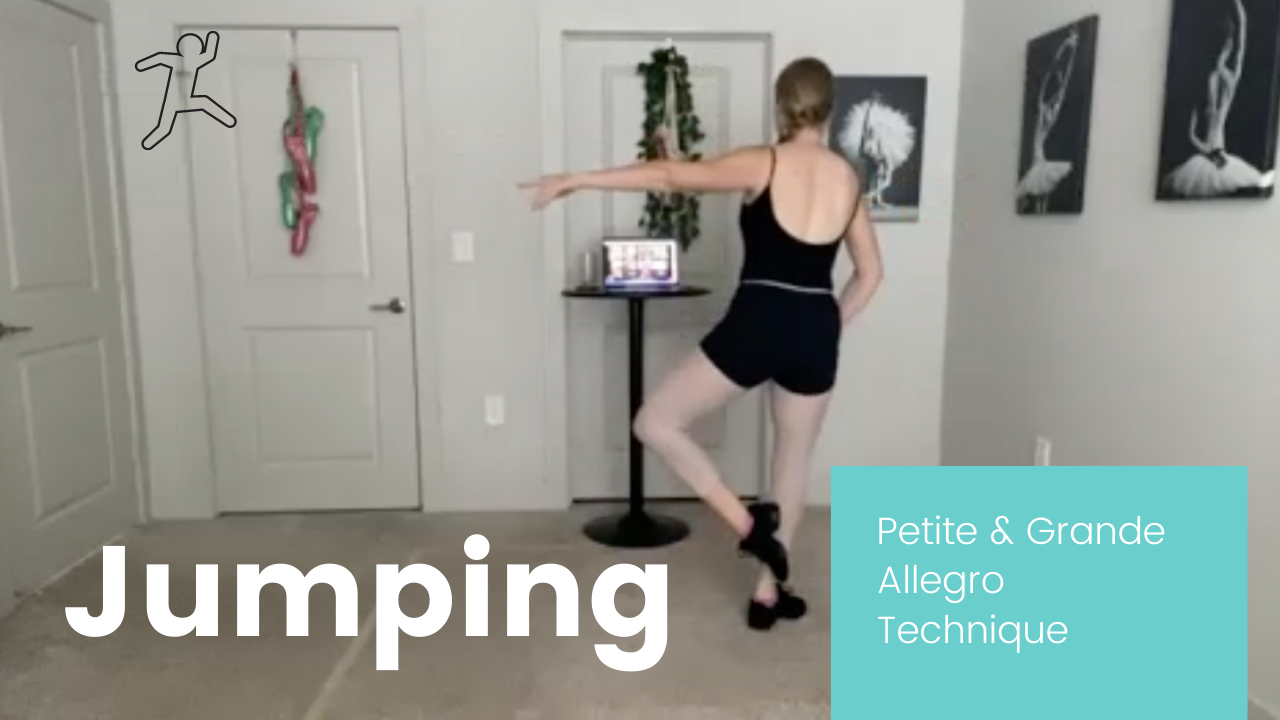
While professional studios are designed to cushion the impact of a jump like a sauté or an assemblé, home floors often lack this vertical give. Wood floors are generally the best home option, but they still lack the 'spring' of a professional subfloor. If you are practicing on tile, the primary concern is the texture of grout lines; using a portable Marley mat can help create a smooth, consistent surface for footwork and pirouettes. Carpeted areas may seem safe due to their softness, but plush padding can lead to ankle instability during relevé or landing, making it unsuitable for pointe work or high-impact jumping.
Concrete subfloors, often found in basements or modern apartments, are the most taxing on the body and should be approached with extreme caution. We recommend avoiding high-impact movements on concrete to prevent shin splints and joint stress. The good news is that many essential components of ballet can be practiced anywhere. Exercises focusing on turnout, port de bras, and the foundations of petite allegro are often safe on most home surfaces. Even pre-pointe strengthening can be done effectively if you choose the right spot. By matching your flooring to the appropriate intensity of exercise, you can enjoy a productive and injury-free home practice.