What You'll Learn
- Optimal arm placement heights for a balanced third arabesque line
- The 'tempt a vampire' visualization for elegant head inclination
- How to avoid blocking your face and neckline with your arms
- Maintaining a neutral yet expressive neck position in complex poses
About This Video
In the world of classical ballet, the third arabesque is a pose that exudes grace and drama. However, achieving the perfect line requires more than just lifting a leg; it demands precise coordination between the arms, shoulders, and head inclination. In this Broche Ballet Quick Tidbit, we dive into the nuances of this specific position to help you find a professional, stage-ready look in just under a minute.
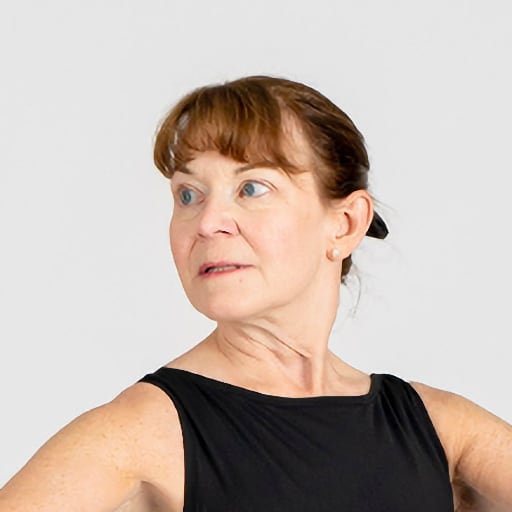
The foundation of a beautiful third arabesque lies in the relationship between your arms. Unlike other arabesque positions, the third variation utilizes both arms forward at different heights to create depth. To execute this correctly, you must ensure your front arm remains slightly below shoulder level, while your high arm reaches toward eye level. This specific staggering of the arms creates a visual window for your face and neckline, which is essential for the expressive artistry of the movement. If the arms are too close together or too high, you risk obscuring your features and shortening your silhouette.
A common pitfall for many students is allowing the arms to crowd the face or hide the neck. This is where our unique "tempt a vampire" analogy becomes a game-changer for your technique. By visualizing an imaginary vampire on the ceiling, you are encouraged to turn and incline your head just enough to expose the long line of your throat without losing your neutral neck alignment or dropping your chin. This subtle tilt doesn't just look beautiful; it ensures that your posture remains open and that your focus is directed intentionally. At Broche Ballet, we believe that these small adjustments—often called the finishing touches—are what transform a dancer's movement from mechanical to magical. Mastering the head inclination in your third arabesque will not only improve your physical alignment but also boost your confidence in your épaulement. By focusing on keeping your neck clear of your high arm, you create the long, unbroken lines that define the elegance of classical ballet.