
What You'll Learn
- How to use transition steps like chassé and tombé to connect positions
- The logic of preparing for turns like pirouettes and soutenus
- Strategies for stringing individual steps into cohesive, logical sequences
- Reverse engineering choreography by starting with the desired end pose
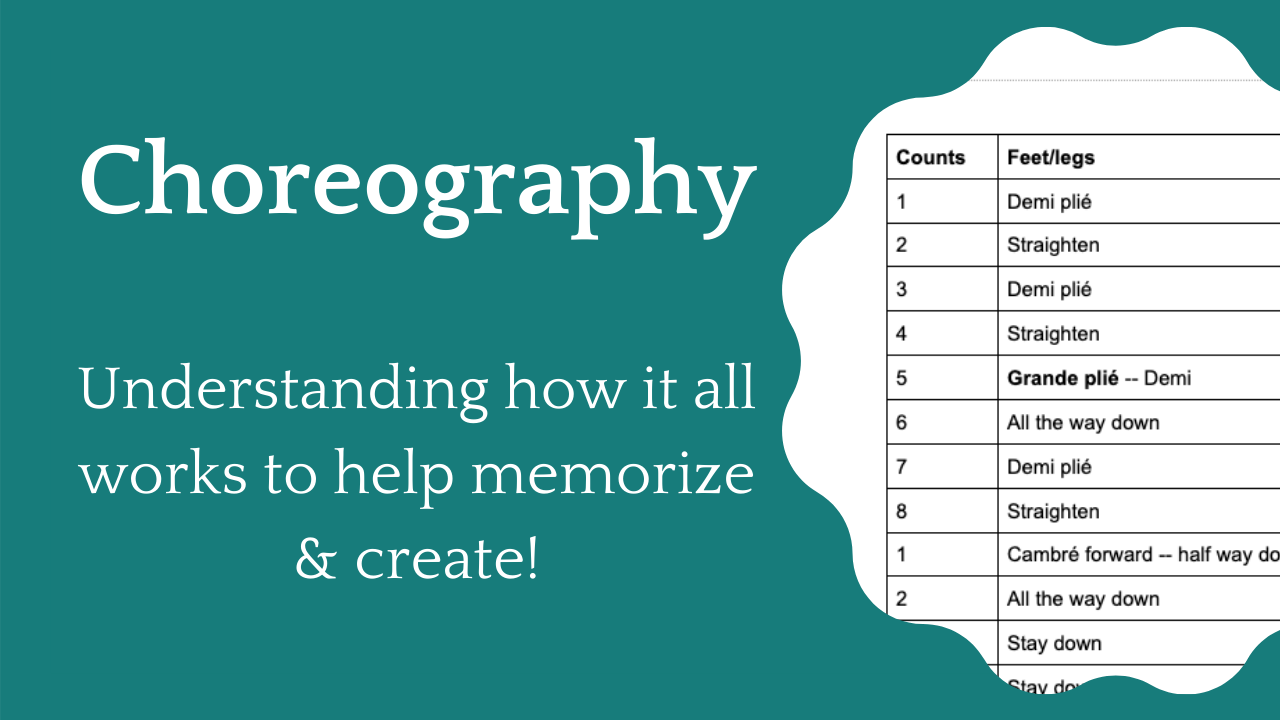
- Tips for breaking down and memorizing complex combinations
About This Video
Have you ever wondered why certain ballet steps always seem to follow one another? In this session of our choreography series, Broche Ballet explores the underlying logic—the grammar—of dance combinations. Mastering individual movements like a plié or a tendu is the first step, but the real magic happens when you understand how to string them together into a fluid, cohesive sequence. This class transitions your focus from isolated technique to the broader perspective of sequence creation and memorization.
We begin by looking at the essential glue of ballet: transition steps. Whether you are using a chassé to travel from fifth position to a wide fourth or a tombé to shift your weight, these movements are vital for maintaining flow. We discuss how these transitions aren't just filler; they are the intentional setup for your power moves. We also touch on the importance of vocabulary choice, noting that sometimes the most effective transitions are the dancey steps that feel comfortable and fun to execute. Selecting steps that suit your personal style while adhering to the rules of ballet logic allows for a more authentic and fluid performance.
One of the most challenging aspects for many dancers is preparing for turns. We break down the mechanics of the pirouette and soutenu, emphasizing the importance of your starting orientation. By focusing on croisé positions, you create the necessary torque and alignment to execute turns with precision. A unique perspective shared in this class is the concept of reverse engineering your choreography. By visualizing the ending action or finishing pose first, you can more easily determine which steps are required to get you there. For dancers who struggle with memorization, we offer strategies for simplifying exercises. Instead of feeling overwhelmed by a long sequence, we practice focusing on one side at a time and breaking complex patterns into smaller, digestible sentences. This theoretical approach helps bridge the gap between technical drills and artistic expression.