
What You'll Learn
- How to identify and feature 'capstone' steps in a combination
- Techniques for backward engineering choreography to ensure smooth transitions
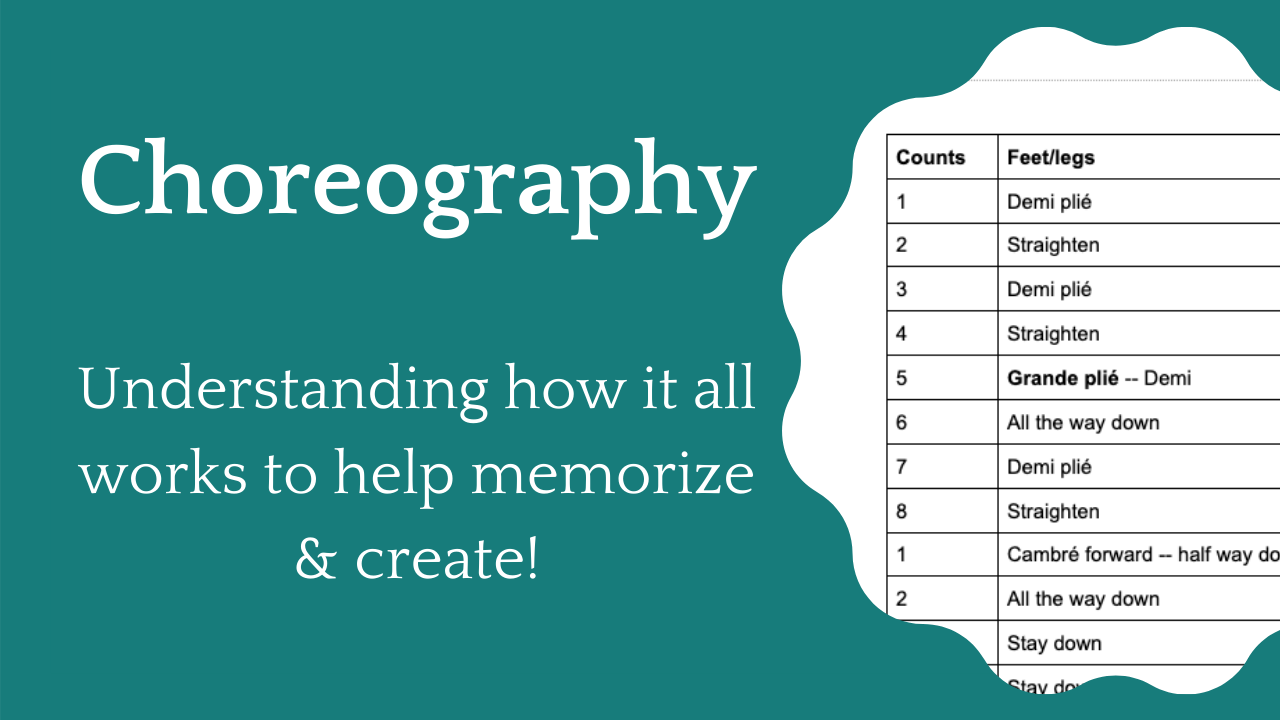
- How to use counts to analyze and memorize complex adagio sequences
- Problem-solving strategies for fixing clunky or uncoordinated movements
- Methods for adding detail and variety to basic steps like plié and tendu
About This Video
Have you ever wondered how your favorite teachers create those fluid, breathtaking adagio combinations? In this fifth installment of our "Understanding Choreography" series, Broche Ballet takes you behind the scenes of dance creation. We focus specifically on the art of the adagio, teaching you how to transition from simply following steps to understanding the structural architecture of a movement sequence. Adagio is the soul of ballet, requiring not just physical strength but a deep understanding of how one movement flows into the next with grace and control.
At the heart of any successful combination is the "capstone" step—the focal point around which the rest of the movement orbits. Whether it is a sustained arabesque, a deep plié, or a slow promenade, identifying your primary goal allows you to fill in the surrounding details with intention. You will learn how to select these key moments and wrap them in transitional steps like tendu, cambré, or pas de cheval to create variety and flow. By focusing on one or two main elements, you prevent the combination from becoming cluttered, allowing the beauty of the movement to shine through.
A major part of choreography is problem-solving. If a combination does not feel right or ends in a way that makes reversing it difficult, you need the tools to fix it. We explore the concept of "backward engineering"—starting with the desired ending position and working your way back to the beginning. This method is incredibly effective for both creating your own work and memorizing the complex sequences given to you in class. It transforms a list of steps into a logical, memorable path.
By the end of this session, you will be able to write out counts and analyze how professional choreographers utilize timing to highlight specific movements. Practicing the creation of your own adagio combinations not only improves your physical technique but also deepens your musicality and cognitive understanding of ballet. Join us at Broche Ballet as we demystify the creative process and help you find your unique choreographic voice through structured practice and artistic exploration.