What You'll Learn
- Coordinating head movement with the start and end of barre exercises
- Refining the first port de bras with proper head placement
- Using your gaze to lead the audience and enhance stage presence
- Maintaining the 'head pillow' for stability and alignment during transitions
- Executing allongé with fluid, controlled head motion
About This Video
In the final installment of our three-part series on head movement, Broche Ballet invites you to refine the artistry of your barre work. While many dancers focus solely on the mechanics of the legs and feet, the use of the head—often referred to as épaulement in its broader sense—is what distinguishes a student from a performer. This class focuses on the specific moments at the start and end of a combination where head placement can truly make a statement.
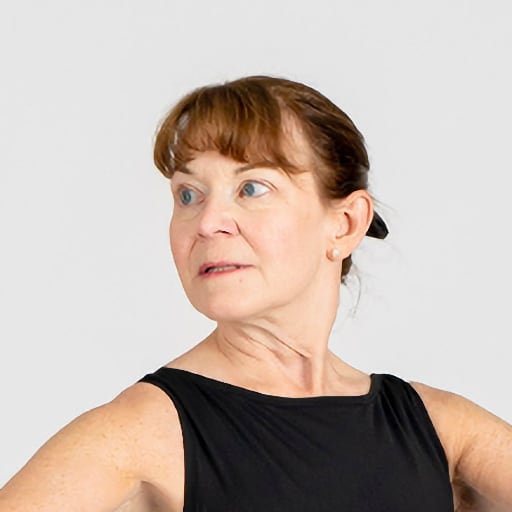
We begin by exploring the first port de bras, examining how the head should follow the hand to create a graceful, elongated line. You will learn the importance of looking where you want the audience to see. By directing your gaze intentionally, you control the narrative of your movement.
Whether you are performing a simple tendu or preparing for a turn, your head movement serves as a cue, both for your own balance and for the audience’s focus. The instructor introduces the concept of the head pillow, a visualization technique to help maintain a sense of stability and control while moving through complex transitions. You will practice incorporating allongé movements, learning how to finish a phrase with a soft, lingering gaze that suggests an effortless quality.
This level of detail helps to avoid the stiff look often associated with technical practice, replacing it with a fluid and refined presence. Throughout the session, we emphasize that ballet is a visual language. By mastering the coordination of the head with the arms and legs, you learn to save time and create a more engaging, professional performance.
Join us at Broche Ballet as we refine these subtle but powerful nuances of classical technique to help you maintain alignment even when the head is in a full profile or devant position. Refining these skills at the barre ensures they become second nature for the center.