
What You'll Learn
- The core mechanics and three-count rhythm of the balancé waltz step.
- How to transition from a slow 'push-fall' movement to a faster sauté version.
- Proper port de bras coordination to accompany your footwork and maintain grace.
- Techniques for maintaining stability and turnout while changing weight.
- Tips for practicing balancé footwork en pointe for intermediate dancers.
About This Video
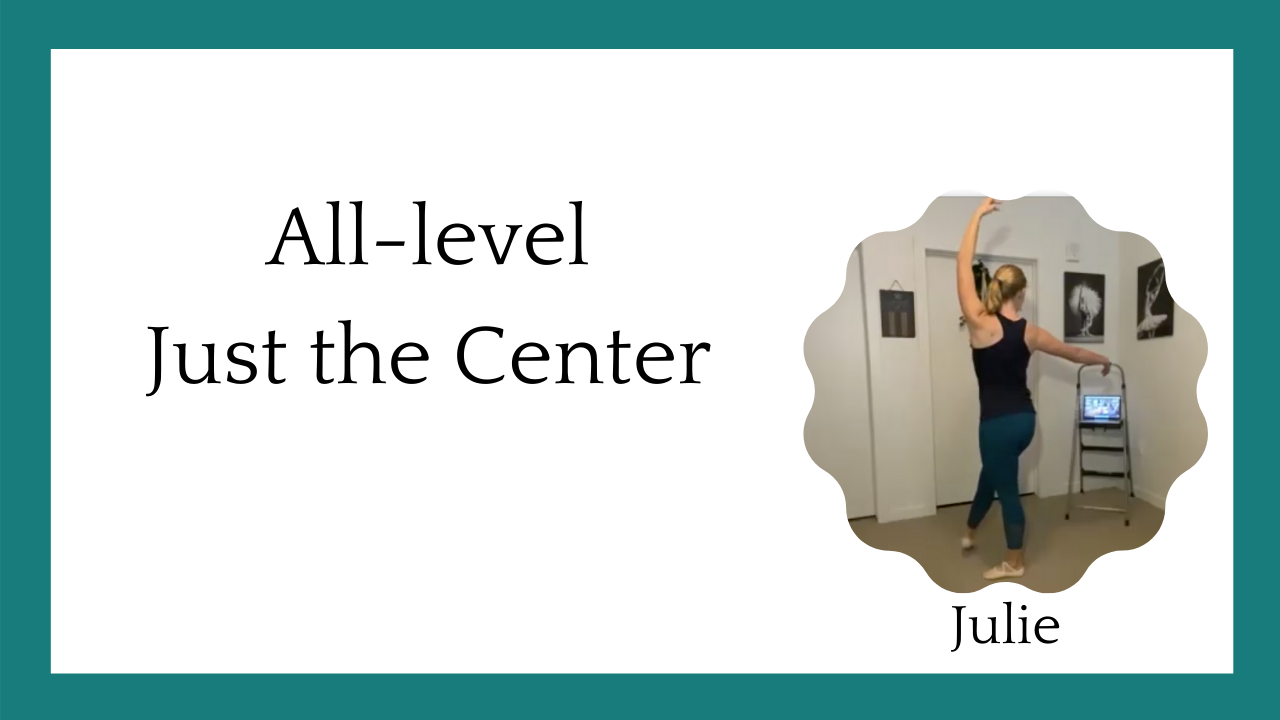
Unlock the grace and rhythm of the balancé in this focused 20-minute vocabulary session with Julie at Broche Ballet. The balancé is one of the most foundational and versatile steps in the ballet repertoire, appearing in everything from simple classroom adagios to complex classical variations. Whether you are a beginner dancer just learning the "down-up-down" rhythm or an intermediate student looking to take your footwork en pointe, this tutorial provides a comprehensive breakdown to help you move with confidence and fluidity.
We begin the session by dissecting the slow version of the balancé. Julie guides you through the essential mechanics: the initial brush of the foot, the soft landing in plié, and the delicate weight transfer. This slow-motion approach is crucial for building the muscle memory required for more advanced combinations. You will learn how to maintain your turnout and find stability on demi-pointe as you navigate the waltz-like three-count rhythm. By focusing on the push and glide of the movement, you'll develop the control necessary for professional-looking footwork.
Once the foundation is solid, the class progresses to the hopping or sauté version of the balancé. This transition is where many dancers struggle, but Julie makes it accessible by explaining how to use the floor to generate lift. By adding a small jump to the first beat, you transform a simple step into a dynamic movement full of energy. We also touch upon the importance of port de bras, ensuring your arms move in harmony with your legs to create a cohesive, artistic expression.
Throughout the practice, we recommend having your barre or a sturdy piece of furniture handy. Using the barre allows you to focus entirely on the articulation of the feet and the precision of the rhythm without worrying about balance. By the end of this 20-minute session, you will have a deeper understanding of how to control your weight and speed in the balancé, making it a seamless part of your dance vocabulary.