What is ballet class etiquette I should know as a beginner?
Ballet etiquette is centered on respect, tradition, and spatial awareness. Key practices include arriving early, remaining silent while the teacher speaks, respecting personal space at the barre, and performing a 'reverence' (a bow or curtsy) at the end of class to thank the instructor and the pianist.
Entering a ballet studio for the first time as an adult can feel like stepping into a different world with its own language and silent rules. However, ballet etiquette isn't about being restrictive; it is designed to keep the class flowing safely and to show respect for the art form, the instructor, and your fellow dancers. Whether you are dancing in a physical studio or participating in our online community with over 7,200 on-demand videos, understanding these protocols will help you feel like a 'real' dancer from day one.
Arrival and Preparation
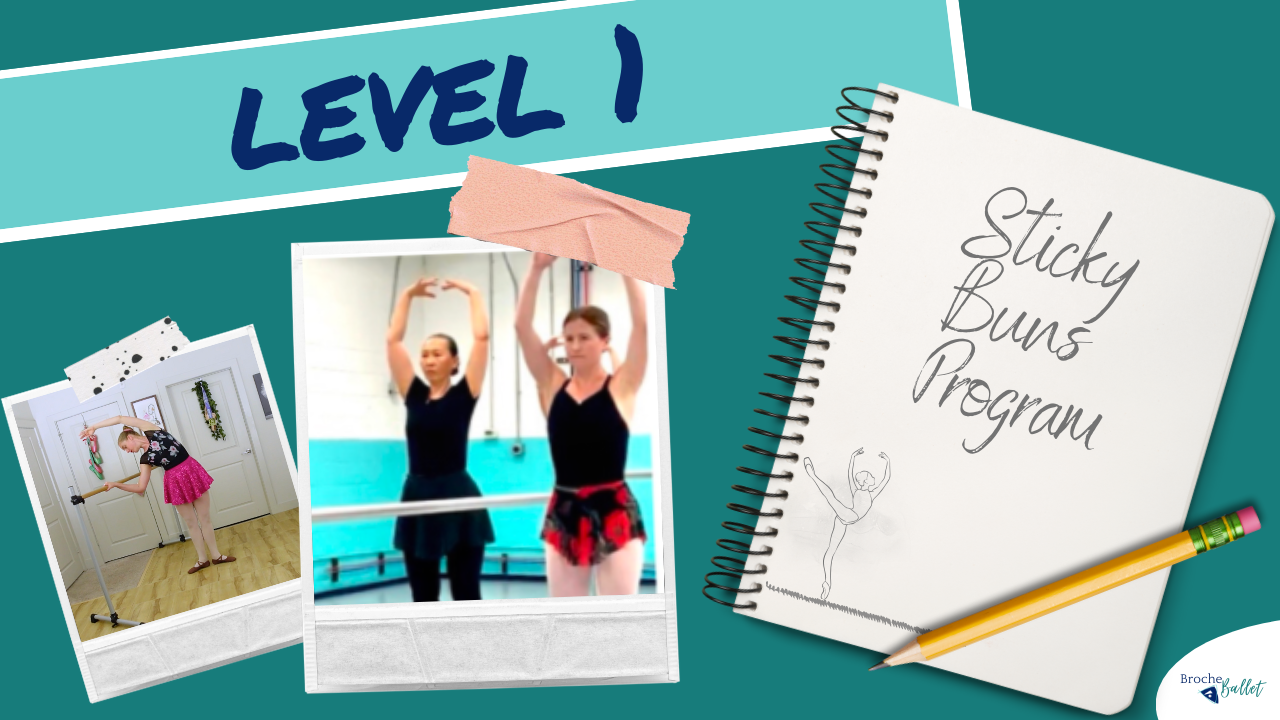
Punctuality is perhaps the most important rule in ballet. Aim to arrive at least 10–15 minutes before class starts. This allows you to change, warm up your muscles, and mentally transition into 'ballet mode.' If you are taking class at home via our Absolute Beginners 'Sticky Buns' Program, this means having your space cleared and your equipment ready before you hit play.
If you happen to be running late for an in-person class, wait outside the door until the music stops. Once the current combination is over, slip in quietly and find a spot at the barre. It is also common courtesy to catch the teacher's eye and give a small nod of apology.
Respecting the 'Barre' Space
The barre is your sanctuary during the first half of class. When you find a spot, ensure you have enough room to extend your leg fully in front and behind you without hitting your neighbor.
During combinations, avoid leaning on the barre or sitting on the floor unless instructed. These actions can signal a lack of focus or fatigue that disrupts the energy of the room. If you are recovering from an injury or returning after a long hiatus—as addressed in our Gentle Return to Ballet after a Break program—it is perfectly acceptable to step away from the barre briefly to stretch or catch your breath, provided you do so discretely.
Always start a combination with your left hand on the barre to work your right leg first. When turning to the other side, always turn towards the barre, never away. If you bring water, or if you remove warmup layers during the barre, leave them neatly piled near the foot of the barre or between you and the next dancer to ensure that everyone has space without kicking your personal items.
The Golden Rule: Silence and Focus
While the teacher is demonstrating a combination, the room should be silent. Adult dancers often want to ask clarifying questions immediately, but it is best to wait until the teacher finishes the demonstration. In ballet, we learn through observation and 'marking' the steps (doing them small with your feet or hands).
If you need specific feedback on your alignment, many of our instructors provide detailed breakdowns in videos that explain the 'why' behind the 'how.' In a live setting, unless the teacher specifies otherwise, save personal questions for after class unless the question benefits the whole group.
Center Work and Crossing the Floor
When the class moves to the center, etiquette shifts toward 'traffic flow.' You will often be asked to dance in groups. If you aren't sure which group to join, watch the more experienced students. If you make a mistake in a combination, keep moving! Stopping abruptly in the middle of the floor can cause collisions.
In programs like Beyond Beginner - Essentials for Graduating the Beginner Level, we emphasize 'holding your line.' This means staying in your designated spot so others can move safely around you. When crossing the floor (moving from one corner to the other), always clear the path for the next group immediately after finishing your turn.
The Reverence: Saying Thank You
Every traditional ballet class ends with a 'reverence.' This is a choreographed bow or curtsy. It is a moment of gratitude for the teacher’s knowledge and the music. Even if you are practicing alone at home, performing the reverence is a powerful way to transition back into your daily life. It signifies that the sacred time of class is over and honors the hard work you just put in.
Starting ballet as an adult is a courageous and rewarding journey. By following these simple rules of etiquette, you’ll find that you can focus less on 'doing the wrong thing' and more on the joy of movement. Whether your goal is to reach your Journey to Pointe or simply to find a more graceful version of yourself, you belong in the studio just as much as any other dancer.
Next step

More Programs
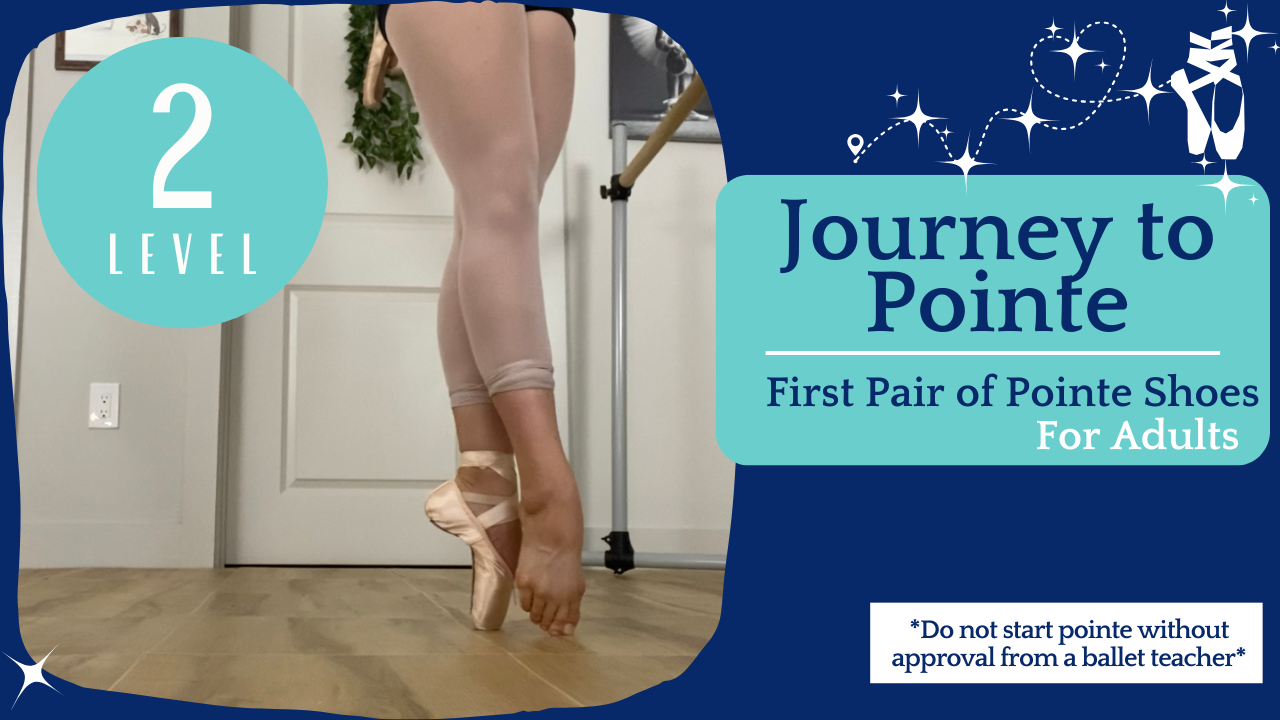
Journey to Pointe | First Pointe Shoes for Adults
The Broche Ballet Journey to Pointe will guide you every step of the way from your first day of ballet class to your first pair of pointe shoes.
637 classes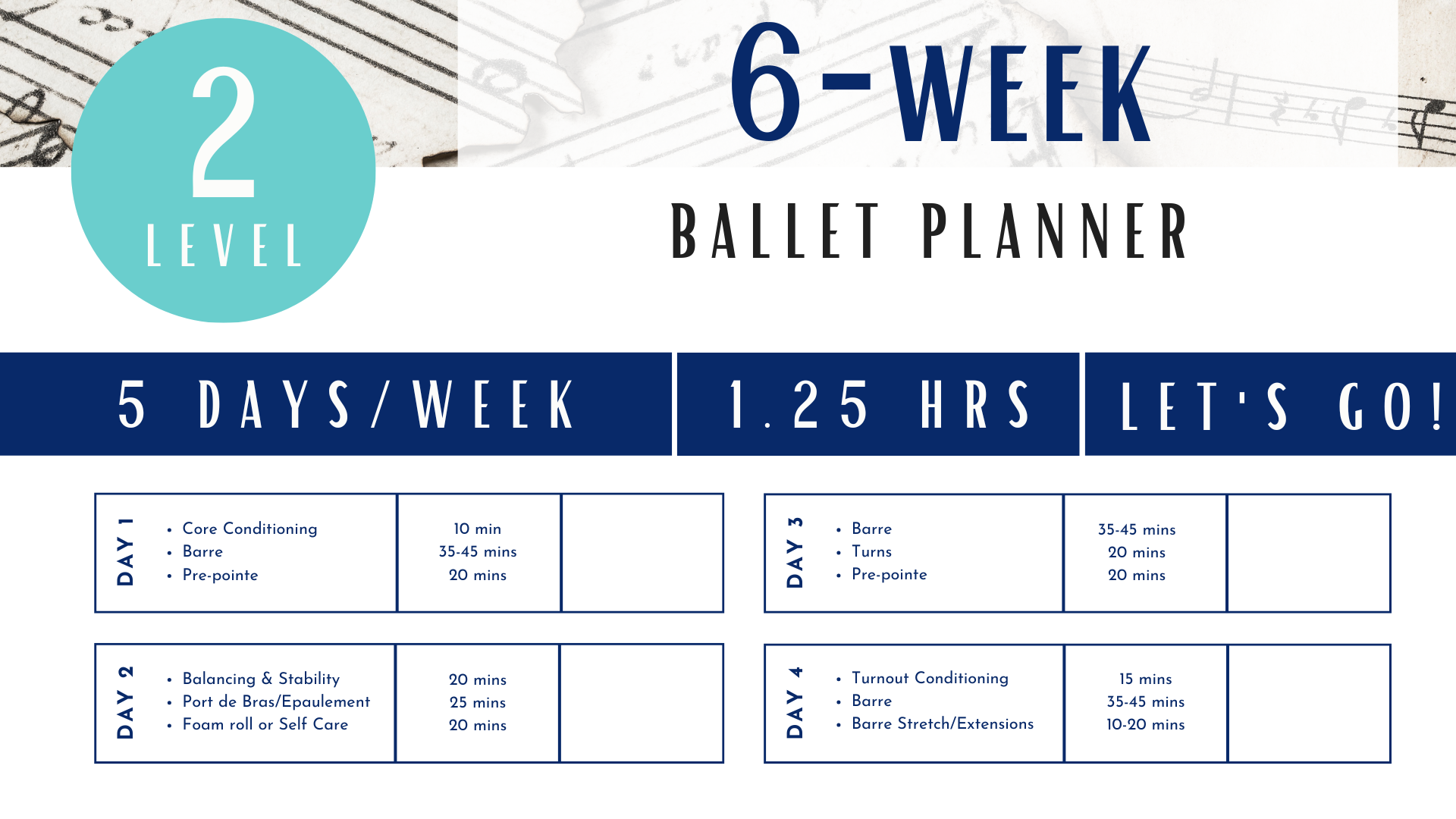
6-Week Well-rounded Level 2 Ballet Schedule
Learn how to structure your home practice to make the most of your time and reach your goals! Ballet is a huge discipline with many facets to learn and it can be overwhelming to think about what to practice to reach your individual goals. Let’s break it down and focus on the individual parts! Learn how to structure your home practice to make the most of your time and reach your goals!
101 classes