How Do I Build Musicality in Ballet?
Building musicality involves more than just hitting counts; it is about phrasing, breath, and dynamic contrast. By learning to initiate movements with your breath and using the space between beats for transitions, you transform exercise into dance. Use structured programs like Artistry Foundations to bridge the gap between technical execution and rhythmic expression.
Many adult dancers feel they are either born with musicality or they are not, but in reality, musicality is a technical skill that can be studied and mastered. While learning the mechanics of a plié or a tendu is the first step, the music is what tells you how to perform those steps. At Broche Ballet, we believe that artistry isn't a 'finishing touch' added later; it is an integral part of your training from day one. With over 7,200 on-demand videos, our library provides the diverse musical landscapes you need to train your ear alongside your body.
Move Beyond the Count
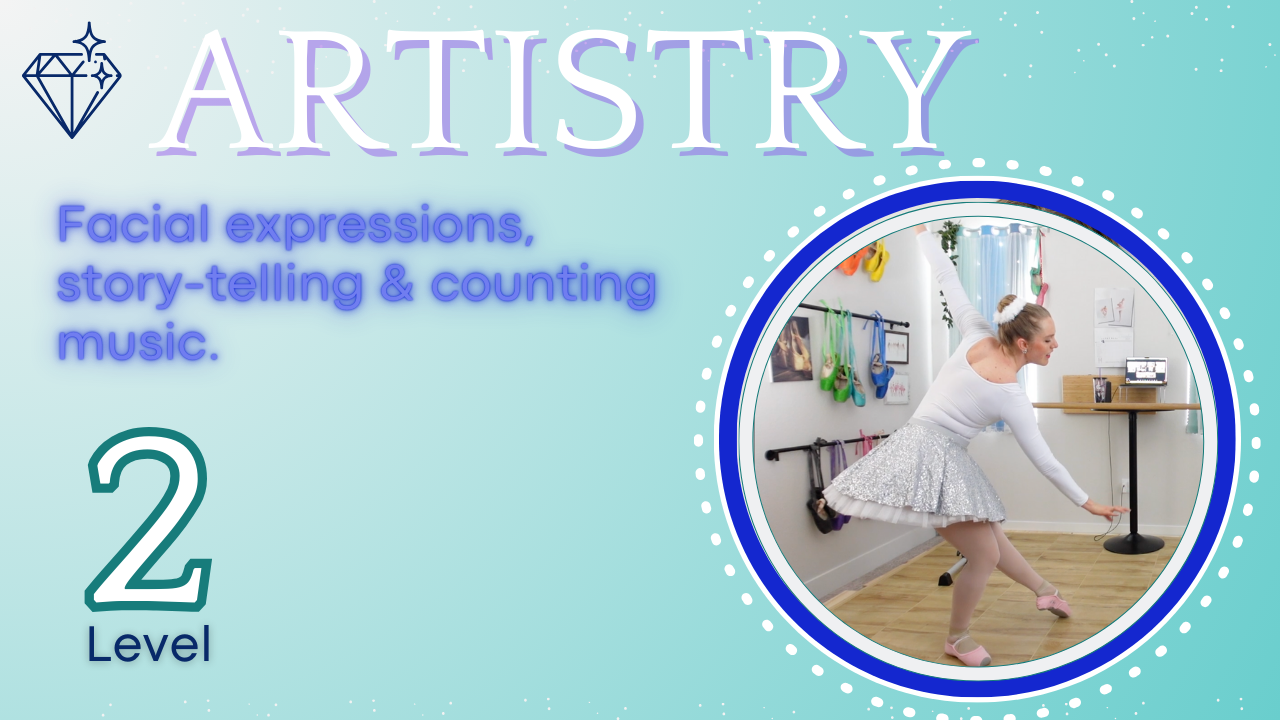
The most common hurdle for adult dancers is 'counting' too rigidly. While a 1-2-3-4 structure is helpful for learning a combination, real musicality lives in the phrasing. This means understanding which part of a movement is the accent and which part is the transition. In our Artistry Foundations: Expressions & Storytelling Through Music program, we break down how to hear different time signatures and how to use 'and' counts to breathe life into your transitions. Instead of arriving at a position exactly on the beat, try to arrive a split-second before or use the entire count to reach your fullest extension.
The Power of Breath
Musicality starts with the breath. If you hold your breath, your movements will appear stiff and robotic. In the program Artistry in Motion: Breath, Expression & Classical Variations, we focus on how an inhale can initiate a port de bras and an exhale can settle a landing. This creates a natural 'give and take' with the music. For adults who may feel tension from a long workday or the stress of learning new choreography, focusing on the breath is the fastest way to relax the nervous system and allow the music to flow through the limbs.
Dynamics and Texture
Musicality is also about texture. A quick, sharp Petit Battement requires a different musical energy than a slow, melting Grand Plié. Our program Beats, Battu, and Fancy Feet in Jumps teaches you how to find the 'rebound' in the music, which is essential for jumps. Conversely, a lyrical adagio requires you to resist the music, as if you are moving through honey. You can explore these contrasts in the Artistry Barre with Beautiful Calm and Relaxing Combinations video, which emphasizes 'savoring the music' rather than just executing the counts.
Coordination of the 'Finishing' Details
True artistry often lives in the smallest details—the tilt of the head, the softening of the wrist, or the direction of the gaze. The program Head, Épaulement, Fingers and Beautiful Ballet Lines is specifically designed to help you coordinate these 'artistic' elements with your footwork. When your head and eyes follow the hand in a port de bras, you aren't just doing a step; you are telling a story. This coordination is what separates a student from a dancer.
Practical Steps for Adult Learners
As an adult, your brain may process the rhythm faster than your body can execute the movement. This is normal. Start by listening to the music before you move. Visualize the combination in your head, matching the peaks of the music to the peaks of your movement. Programs like The Total Turnout Transformation help you strip away technical 'noise' so that your body becomes a more responsive instrument. With consistency, you will find that you no longer have to 'think' about the counts—you will simply feel them. Ballet is a journey of becoming, and every time you choose to move with the music instead of going through the motions, you are becoming a more refined artist.
Next step
Related Videos
Watch classes and tutorials related to this topic
 33:36
33:36 Gentle Barre with Musicality and Fluid Movements
 37:49
37:49 Beautiful Artistry en Pointe class for Musicality & Flair with Raymonda Music
 29:36
29:36 Choreography Class #6: Building Choreography with Music as an Anchor - Dynamics & Embellishments
 25:12
25:12 Learn the Swan Lake Love Story Pantomime - Odette and Prince Sigfried Meet and Fall in Love (Ballet Sign Language)
 1:00
1:00 How to create facial expressions
 15:45
15:45 Moving Meditation - Breathe + Port de Bras
 25:18
25:18 Counting Music - Class #1 - Understanding speeds (aka tempo) of music
 59:06
59:06 All about music. What makes it sad? Happy? Funny? A little music theory, and more! -- With Julie & Ballet pianist & composer Bruno Raco
More Programs
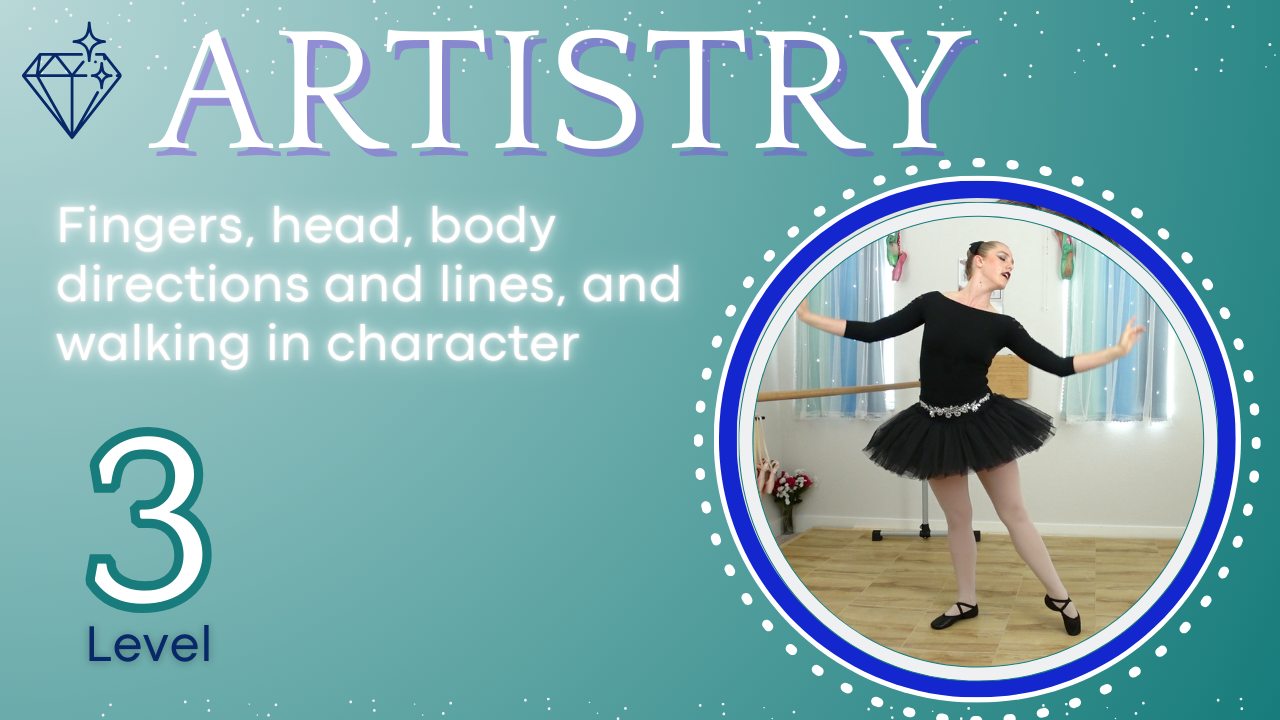
Mastering Character: Expressive Hands, Head, and Eyes
Learn the details of your fingers, head, body directions and lines, and walking in character.
65 classes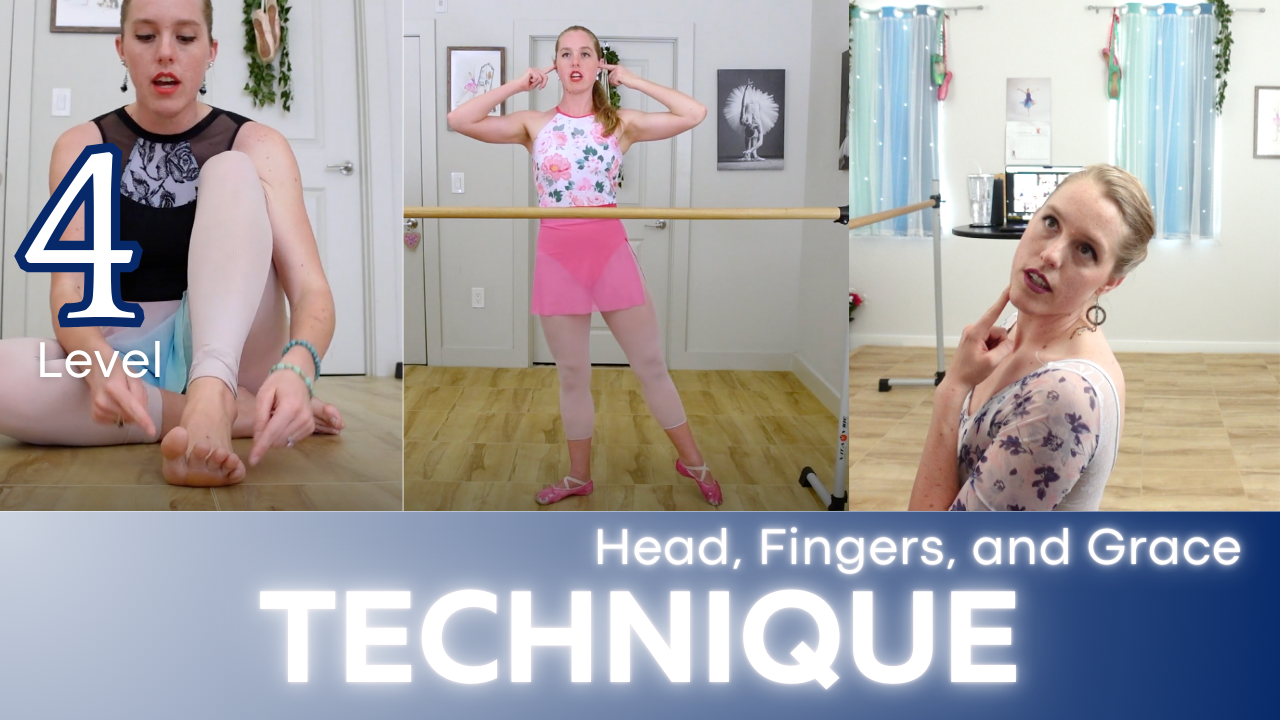
Head, Épaulement, Fingers and Beautiful Ballet Lines
Focus Areas: Shoulders, Head, Neck, Feet and Toes, Wrists, Hands, Fingers. Delve into the finer details of ballet technique and artistry in Technique, Level 4. This program emphasizes the beauty of movement, with a focus on the shoulders, head, neck, feet, toes, wrists, hands, and fingers to bring grace and sophistication to your dancing.
72 classes
Beauty and Grace: 12-weeks of Posture, Elegance, Neck, Head, Fingers and Walking
Ever wish you could move through life with the posture and grace of a ballerina? This 12-week program is all about cultivating elegance from your neck and head to your fingers and walk. Through mindful, detailed exercises, you’ll develop poise, carriage, and quiet confidence that radiates both on and off the dance floor. Turn heads simply by the way you move.
71 classes