How do I improve my balance in ballet?
To improve balance in ballet, focus on three pillars: vertical alignment, core engagement, and foot stability. Ensure your ribs are stacked directly over your hips with weight centered over the balls of your feet. Build confidence by practicing 'find and release' at the barre and strengthening your ankles with consistent relevé work.
Improving balance is one of the most rewarding yet challenging journeys for an adult ballet dancer. Many beginners believe balance is a natural gift, but in reality, it is a dynamic skill built through alignment, strength, and neurological habit. Balance is not about holding still; it is about making tiny, constant micro-adjustments to stay centered over your base of support.
Mastering the 'Stack' of Alignment
The foundation of any balance is your posture. In ballet, we refer to this as the 'stack.' Your head should be balanced over your shoulders, your shoulders over your ribs, and your ribs over your pelvis. If your ribs flare out or your pelvis tilts, your center of gravity shifts, making it nearly impossible to balance. Our program, Advancing Technique with Posture, Turnout and Ballet Lines, specifically addresses these head-to-toe harmonies. By learning to engage the deep core muscles and maintain a neutral spine, you create a solid central column that makes balancing significantly easier.
Strengthening the Base of Support
Your feet and ankles are the literal foundation of your balance. If your ankles are weak, they will wobble, causing you to lose your center. Adult dancers often find that their feet need extra conditioning, especially if they are returning to dance after a long break. Incorporating exercises from Power Barre for Strong Legs and Demi-Pointe can help build the necessary articulation. Focus on slow, controlled relevés, ensuring your weight is distributed across the first three toes rather than 'rolling out' toward the pinky toe. In our library of over 8,000 videos, we offer numerous drills specifically designed to increase ankle stability and foot articulation.
Overcoming 'Center Panic'
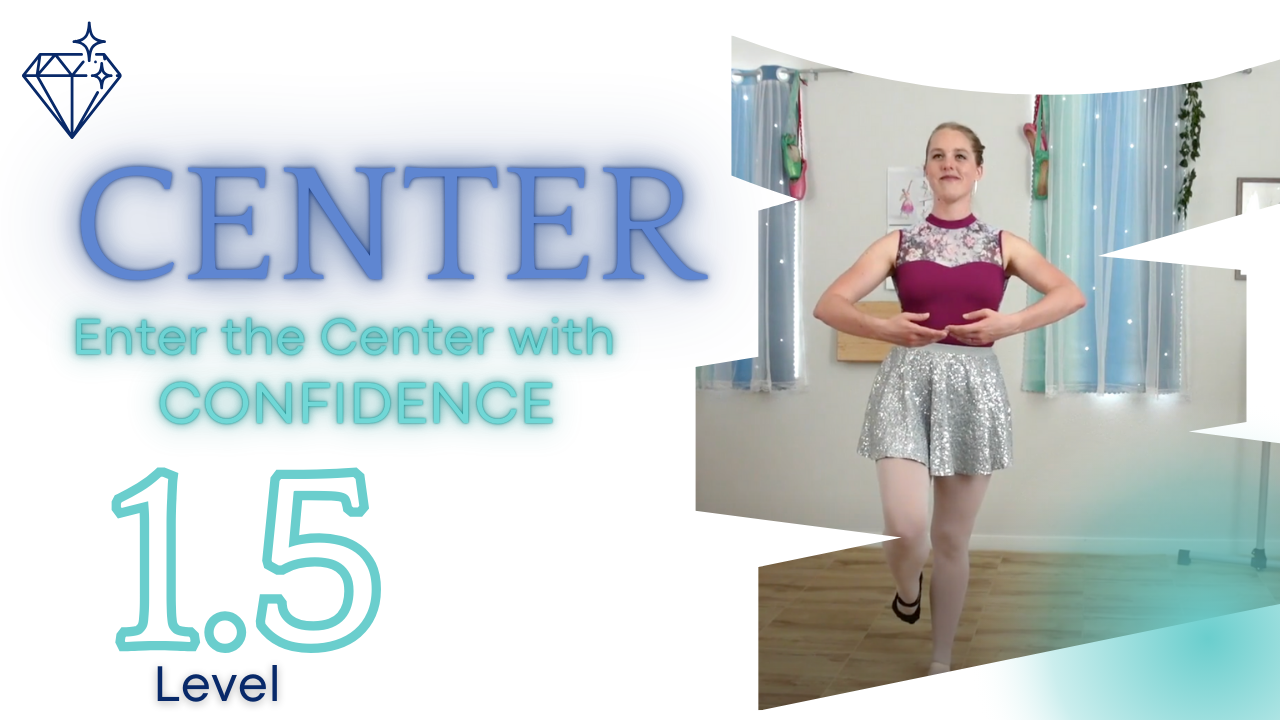
For many adults, the biggest hurdle to balance is psychological. 'Center panic' occurs when you step away from the barre and feel a sudden loss of security. This anxiety causes the body to tense up, which actually makes you more likely to fall. To combat this, we recommend the From Fear to Fun - Enter the Center with Confidence program. It teaches you how to build trust in your body by practicing 'test balances' at the barre. Take a balance in retiré or sous-sous, and slowly lighten your grip on the barre until you are only using one finger, then eventually hovering your hand. This progressive approach builds the confidence needed to move into the center with poise.
The Role of Turnout and Core Control
Turnout is not just about aesthetics; it provides a wider, more stable base for certain positions. However, forcing turnout from the knees or ankles will actually destabilize you. True stability comes from the rotators in the hips. Beyond Beginner - Essentials for Graduating the Beginner Level helps dancers understand how to coordinate these muscle groups. Additionally, your core acts as the bridge between your upper and lower body. When your core is engaged, your upper body carriage (épaulement) can move gracefully without disrupting your lower body's stability. Our Head, Épaulement, Fingers and Beautiful Ballet Lines program explores how subtle movements of the head and arms can actually assist your balance rather than hinder it.
Practical Tips for Daily Practice
Start by finding your balance in simple positions like first or second position on demi-pointe before moving to one-legged balances like retiré or arabesque. Use your eyes; find a 'point of focus' at eye level to help stabilize your vestibular system. Remember that some days your balance will feel 'off' due to fatigue or even what you ate—this is normal. With consistency and the right technical framework, you will find that those wobbles eventually transform into steady, beautiful lines. Every time you step into the studio, you are training your nervous system to find its center. Stay patient with yourself, use the structured programs available to you, and celebrate the small victories along the way.
Next step
Related Videos
Watch classes and tutorials related to this topic
 40:23
40:23 Demi Pointe Balance: Spicy Relevés and Challenging Exercises to Improve
 0:29
0:29 Quicktip: How to Hold the Barre for a Better Demi Pointe Balance
 42:10
42:10 Technique Barre - Slow combos for Improving Demi Pointe Balance
 9:48
9:48 Standing Pre-pointe for Higher Demi Pointe Strength
 41:14
41:14 Center Barre for All Levels - Keep your Technique and Find your Balance in Center
 31:39
31:39 Center Barre in Pointe Shoes - all on Flat to Gain Confidence and Improve Balance in Center
 8:05
8:05 Drills for Holding Balance in Center
 11:16
11:16 Advanced Balancing and Proprioception Drills in the Center
More Programs
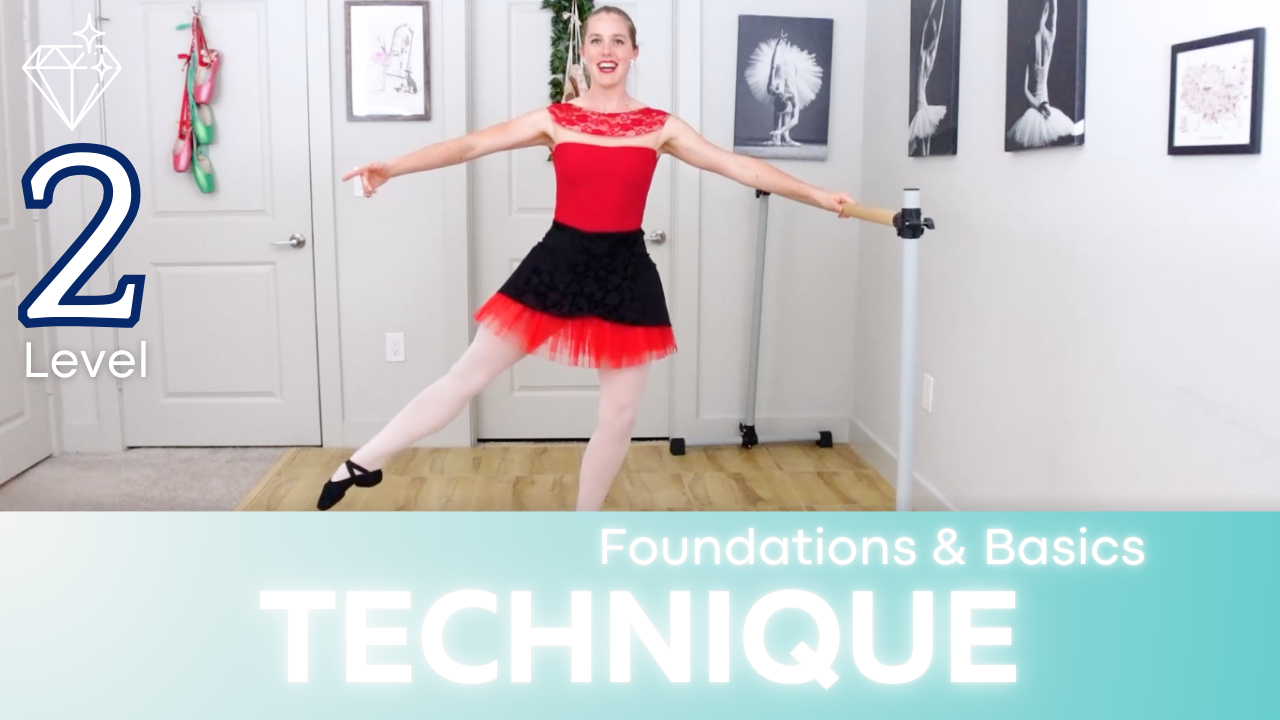
Technique Foundations, Basics, and Fundamentals
Vocabulary: 4th Position, 5th Position, Tendu Front (Devant), Tendu Side (à la Seconde), Tendu Back (Derrière or Arabesque), Cou-de-pied, Retiré (Passé), Posture, Positions of the Arms, Cambres
104 classes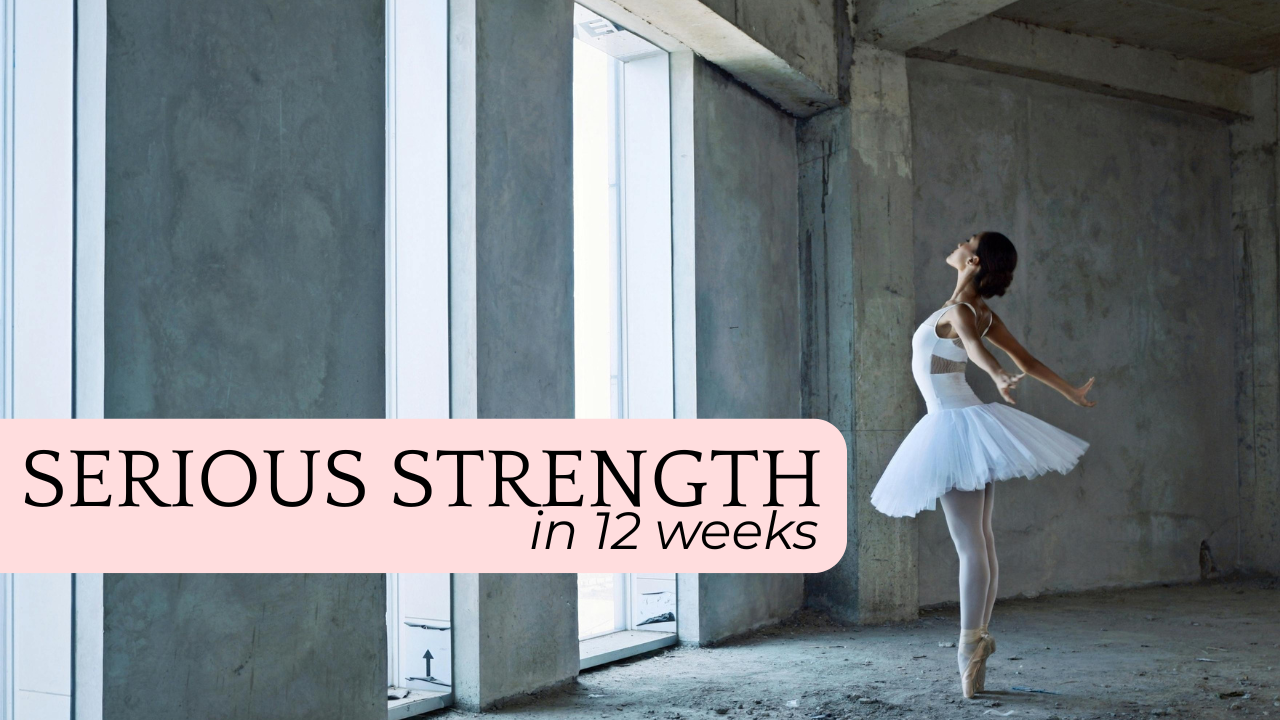
12-Weeks of Serious Strength
Ready to feel stronger, steadier, and more powerful? This full-body program combines floor work, ballet barre, and targeted exercises to develop deep muscular control and endurance. With daily, balanced sessions, you’ll build strength from head to toe, improving your posture, stability, and confidence in every movement.
118 classes