What is the difference between barre fitness and real ballet?
Barre fitness is a high-repetition workout designed for muscle exhaustion and "sculpting" using the barre for balance. Real ballet is a performance art focusing on turnout, specific vocabulary, and artistry. While barre builds general strength, ballet requires a progressive curriculum to master coordination and the transition from barre to dancing across the floor.
While both barre fitness and real ballet utilize a wooden rail for support, they are fundamentally different disciplines with distinct goals. Barre fitness is an exercise modality that adapts ballet-inspired movements to achieve a cardiovascular and muscular "burn." Real ballet, however, is a rigorous performance art that combines athletic precision with storytelling and musicality. Understanding these differences is essential for adult dancers who want to ensure their training aligns with their personal goals.
The Goal: Muscle Burn vs. Artistry
In a barre fitness class, the primary objective is physical conditioning. Exercises often involve small, isometric movements performed with high repetitions to reach muscle fatigue. The focus is on the "burn" and the physical results of the workout.
In real ballet, the barre is a tool used to find balance and alignment while preparing the body for the center. The goal is not just to tire the muscles, but to refine the technique required for movement across a stage. Programs like The Turns Foundations Program emphasize this by teaching you how to use the barre to build the specific strength needed for turns, jumps, and adagio, rather than just using it as a prop for a workout.
Technique: Parallel vs. Turnout
One of the most significant technical differences is "turnout," or the external rotation of the legs from the hip sockets. Barre fitness often utilizes parallel positions or small rotations that are safer for the general fitness population but do not adhere to classical standards.
Real ballet demands functional turnout, which is foundational for the range of motion needed in advanced steps. This requires specialized training to prevent injury, especially for adult bodies that may have tight hips. For example, our PBT (Progressive Ballet Technique) videos focus heavily on core engagement and deep rotator activation to ensure you are rotating safely from the hip, not the knee. This level of anatomical detail is rarely found in a fitness-focused barre class.
The Transition to Center
In a barre fitness class, you typically stay at the barre for the duration of the session. In a real ballet class, the barre work is only the first half of the experience. The ultimate test of ballet technique is the "center," where you must execute movements without any support.
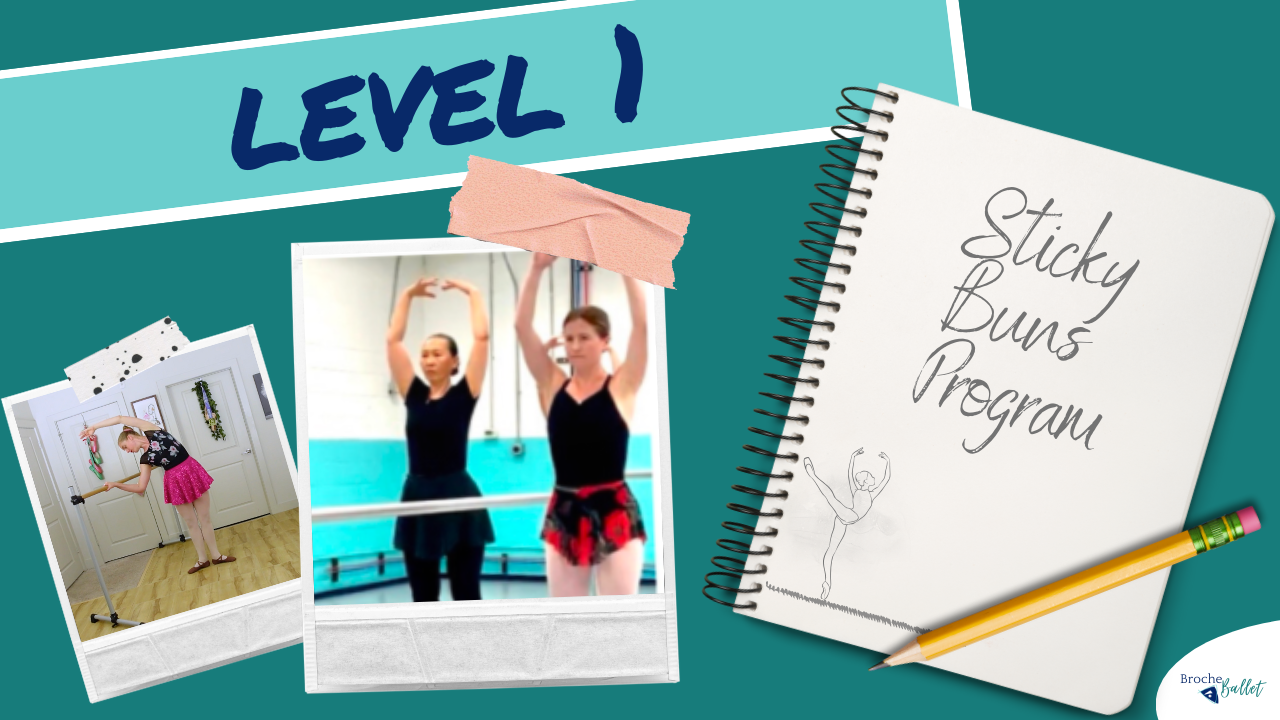
This transition requires a deep understanding of weight placement and coordination. If you are a beginner, the Absolute Beginners "Sticky Buns" Program is designed to bridge this gap, taking you from the security of the barre to moving confidently in the center. Real ballet teaches you how to move through space with grace, whereas barre fitness keeps you relatively stationary.
Musicality and Coordination
Barre fitness usually uses high-tempo, rhythmic music to drive physical exertion. In ballet, the relationship with music is much more nuanced. Every movement corresponds to specific counts and qualities in the music—sharp for a frappé, or lyrical for a plié.
Furthermore, ballet incorporates épaulement (the coordination of the head, neck, and shoulders) and specific arm positions (port de bras). Our Advanced Ballet Barre for head coordination video explores how these elements are integrated even during technical exercises. This layer of artistry transforms the movement from a simple exercise into a dance.
Which One Should You Choose?
If your only goal is a quick, 45-minute sweat that targets your glutes and core, barre fitness is a fantastic tool. However, if you have ever dreamed of dancing en pointe, performing a variation, or simply moving with the elegance of a dancer, you need real ballet.
Adults often worry they lack the flexibility or time to learn "real" ballet, but structured programs like the 12-Week Ballet Reset or the 6-Week Well-rounded Level 2 Ballet Schedule prove that with 7,200+ videos at your disposal, you can build a professional-quality practice at home. Ballet offers a lifetime of intellectual and physical growth that fitness alone cannot provide.
Whether you are starting from scratch or easing back in with a Gentle Return to Ballet after a Break, choosing real ballet means you aren't just working out—you are becoming a dancer. The discipline, the vocabulary, and the artistry will stay with you long after you leave the barre.
Next step
Related Videos
Watch classes and tutorials related to this topic
 47:20
47:20 Advanced Ballet Barre for head coordination & a fun frappé combo
 10:41
10:41 Planking Core for Extensions Week 2 -- Must be comfortable weight-bearing on wrists & shoulders.
 21:00
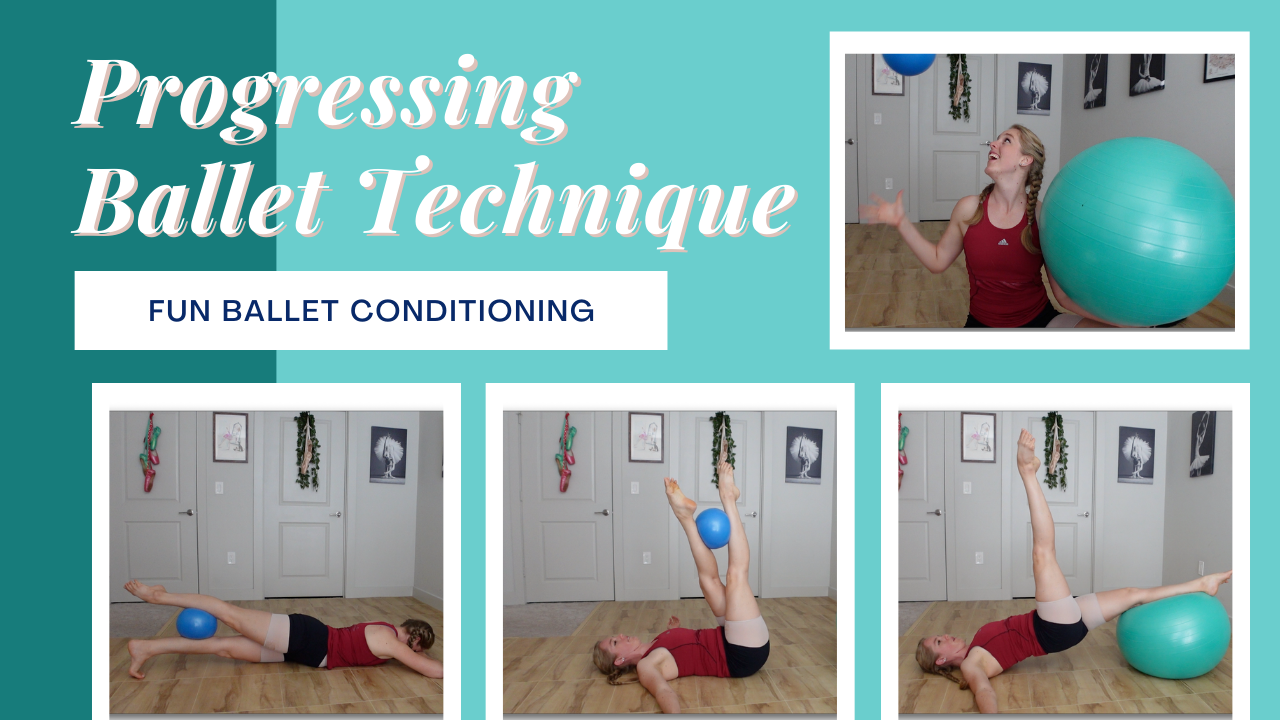
21:00 PBT - bridge warmup then deep focus on turnout in retiré & coup de pied with small fusion ball + á la seconde & devant with big exercise ball -- Sept 25
 5:15
5:15 What sparked your love of ballet? | Journal with Julie
 24:15
24:15 Pre-pointe - Well-rounded flow for flexible ankles, foot shape, and articulation
 25:56
25:56 Sunset Ballet: Casting Lines and Heartstrings - an Artistry Center Combination
 17:22
17:22 Turning Drills for Mastering Pirouettes: A Step-by-Step Guide
 46:13
46:13 Ballet Artistry: Exploring Classical Variations
More Programs
Beauty and Grace: 12-weeks of Posture, Elegance, Neck, Head, Fingers and Walking
Ever wish you could move through life with the posture and grace of a ballerina? This 12-week program is all about cultivating elegance from your neck and head to your fingers and walk. Through mindful, detailed exercises, you’ll develop poise, carriage, and quiet confidence that radiates both on and off the dance floor. Turn heads simply by the way you move.
71 classes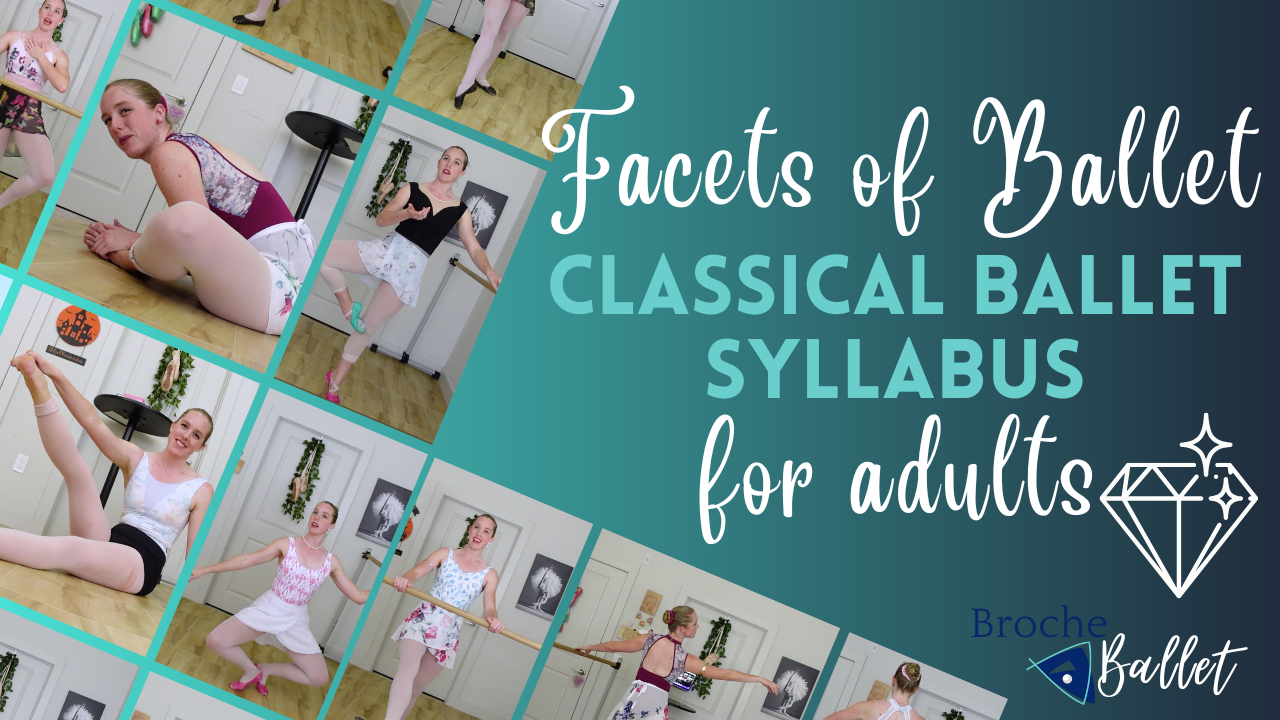
✨ The Facets of Ballet: A Complete Adult Ballet Curriculum ✨
At Broche Ballet, we know you don’t just want a quick challenge—you want a structured roadmap to becoming the dancer of your dreams. The Facets of Ballet is not just a collection of classes—it’s a progressive, modular training system that puts YOU in control of your ballet journey. With The Facets of Ballet Basics to Brilliance Program, you choose the skills you want to focus on and train at your own pace—whether you follow the full sequential roadmap or go deep in the areas you love most.
28 classes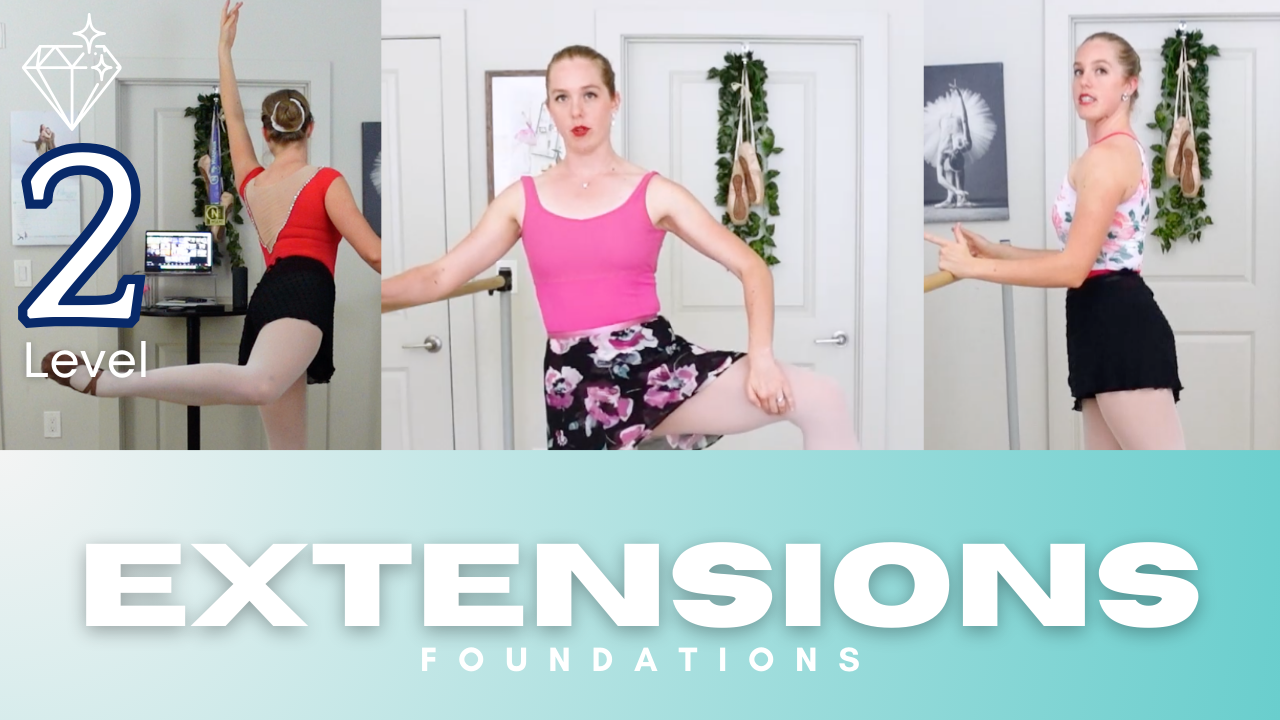
Extensions Foundations for Higher Legs
Dreaming of a higher développé, and higher legs in arabesque? Extensions, Level 2 lays the essential foundation for building the strength, flexibility, and technique needed to lift up those legs.
32 classes