How long does it take to learn ballet as an adult?
You can learn the basic vocabulary and feel comfortable in a beginner class within 6 to 12 months of consistent practice. Reaching an intermediate level typically takes 2 to 4 years, while training for pointe shoes usually requires 3 to 5 years of dedicated, structured work to ensure safety and strength.
Learning ballet as an adult is a journey that begins with immediate small wins and evolves into a lifelong pursuit of artistry. While you can learn the fundamental positions in a single afternoon, true proficiency—where you move with fluidity and confidence—generally follows a predictable timeline based on your consistency and the structure of your training.
The First 6 Months: Building the Foundation
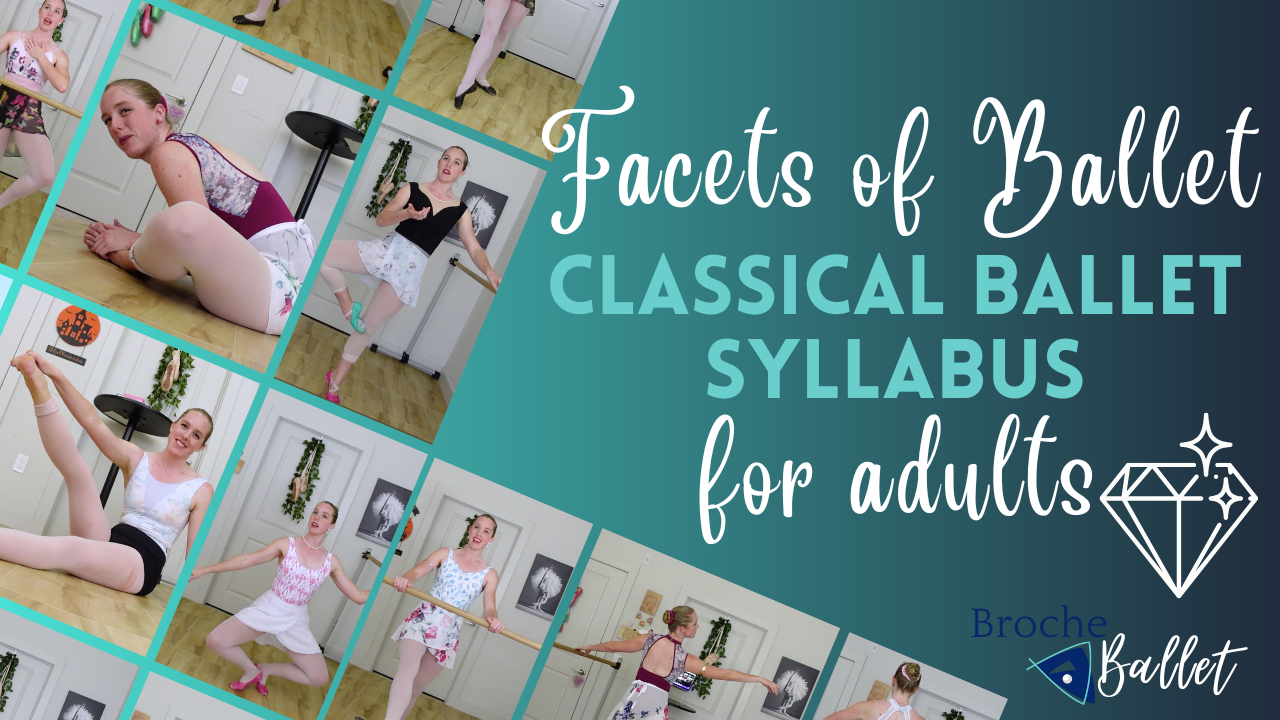
In your first six months, your primary goal is to learn the 'language' of ballet. You will focus on body alignment, basic foot positions (1st through 5th), and the foundational movements at the barre like pliés and tendus. During this phase, many students find success using programs like The Facets of Ballet: A Complete Adult Ballet Curriculum. This modular system helps you understand the 'why' behind the movements, which is essential for adult learners who benefit from cognitive understanding before physical execution.
By the end of this period, you should feel comfortable following a standard beginner class without constantly watching your neighbor for cues. With over 8,000 on-demand videos in our library, we see that dancers who practice at least twice a week reach this milestone significantly faster than those who attend sporadically.
6 Months to 3 Years: Finding Your Flow
Between your first and second year, you transition from 'doing steps' to 'dancing.' This is often when adult students tackle more complex coordination, such as combining arm movements (port de bras) with leg movements and shifting weight in the center.
Programs like Beyond Beginner - Essentials for Graduating the Beginner Level are specifically designed for this window. You’ll work on finding your balance away from the barre and gaining comfort with initial turns. It takes time for the neuro-muscular pathways to stabilize; don't be discouraged if a step you 'learned' last week feels foreign today. This non-linear progress is a natural part of adult dance education.
2 to 5 Years: Strength and Specialized Skills
As you move toward the 2-to-5-year mark, your focus shifts to strength and technical refinement. If your goal is to dance on pointe, this is typically the earliest window for most adults. At Broche Ballet, our Journey to Pointe program includes over 600 videos because we believe the preparation must be exhaustive to ensure adult feet and ankles are protected.
You may also begin specializing in areas like Extensions Foundations for Higher Legs or Your First Pirouettes. At this stage, you aren't just learning what a move is; you are learning how to execute it with the power and grace of a seasoned dancer.
Factors That Influence Your Speed
Several variables can accelerate or slow your progress:
- Consistency: Two to three 45-minute sessions per week are often more effective than one three-hour marathon. The brain needs frequent 'pings' to retain ballet's complex mechanics.
- Structured Learning: Jumping between random classes can leave gaps in your technique. Following a roadmap, such as our 6-Week Well-rounded Level 2 Ballet Schedule, ensures you are building on a solid foundation.
- Physical Recovery: Adult bodies require intentional maintenance. Incorporating a 're-tuning' phase, like the 12-Week Ballet Reset, can prevent injuries that might otherwise sideline your progress for months.
- Prior Experience: While not required, a background in athletics or music can help with spatial awareness and rhythm, potentially shortening the initial learning curve.
The Reality of Adult Progress
Unlike children who train for 15 years before reaching a professional level, adults can find joy and 'success' much earlier. You are likely not training for a professional contract, which means you have the freedom to define what 'learning ballet' looks like for you. Whether it's performing in a local showcase or simply dancing freely with the music, progress is personal.
Remember that ballet is an incremental art form. Every tendu you do is a deposit into your technical bank account. Be patient with your body, celebrate the small victories of improved balance or a more graceful port de bras, and enjoy the process of becoming the dancer you’ve always wanted to be.
Next step
Related Videos
Watch classes and tutorials related to this topic
 34:08
34:08 From Frustration to Flow: Rethinking Your Ballet Progress
 41:56
41:56 Assessments for Adults in Ballet, Self-doubt, Performing & more with Julie
 43:57
43:57 Dancing Through Life with Tara: A Journey of Resilience and Joy | Broche Banter Season 3 Episode 50
 30:51
30:51 The Multiple Meanings of "Beginner": Unpacking a Complicated Word
 16:20
16:20 From Overwhelm to Progress: The Building Blocks of Ballet Progress | Broche Banter Season 3 Episode 49
 8:57
8:57 What to work on next? Programs breakdown, orientation, and how to use Broche Ballet Online
 13:29
13:29 How Long Should I Practice?
 7:12
7:12 How Long Does It Take?
More Programs
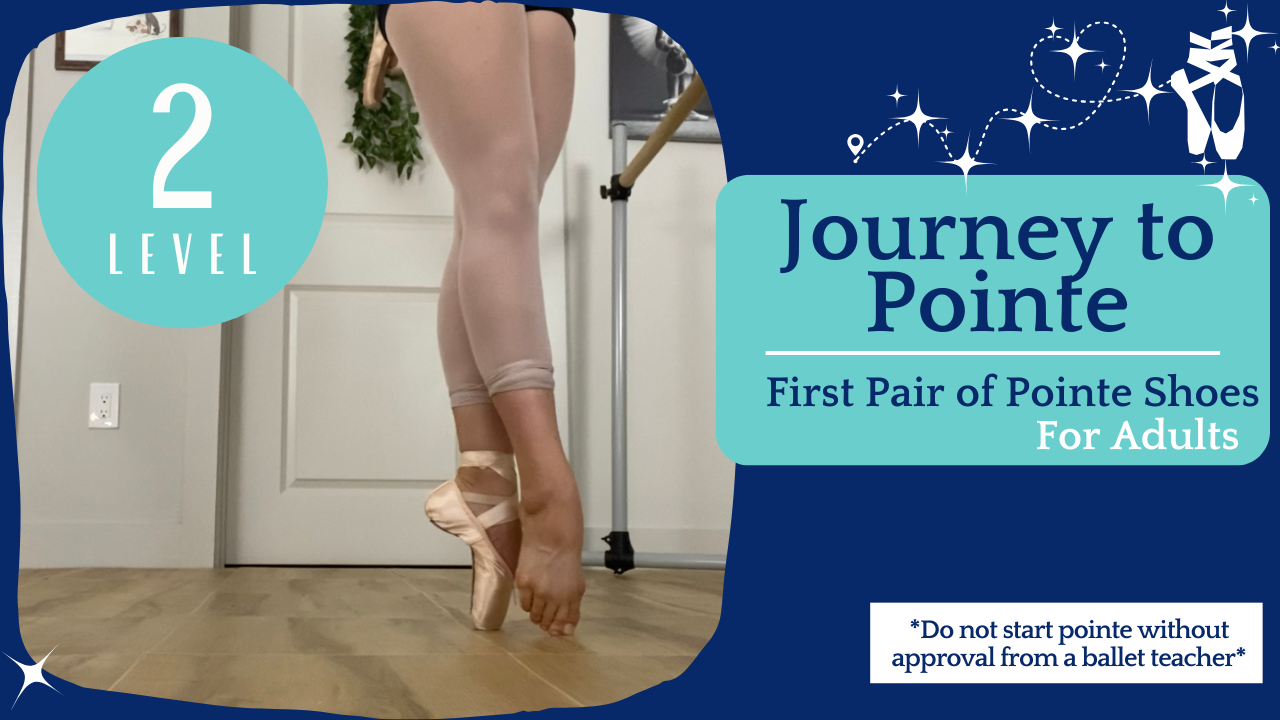
Journey to Pointe | First Pointe Shoes for Adults
The Broche Ballet Journey to Pointe will guide you every step of the way from your first day of ballet class to your first pair of pointe shoes.
637 classes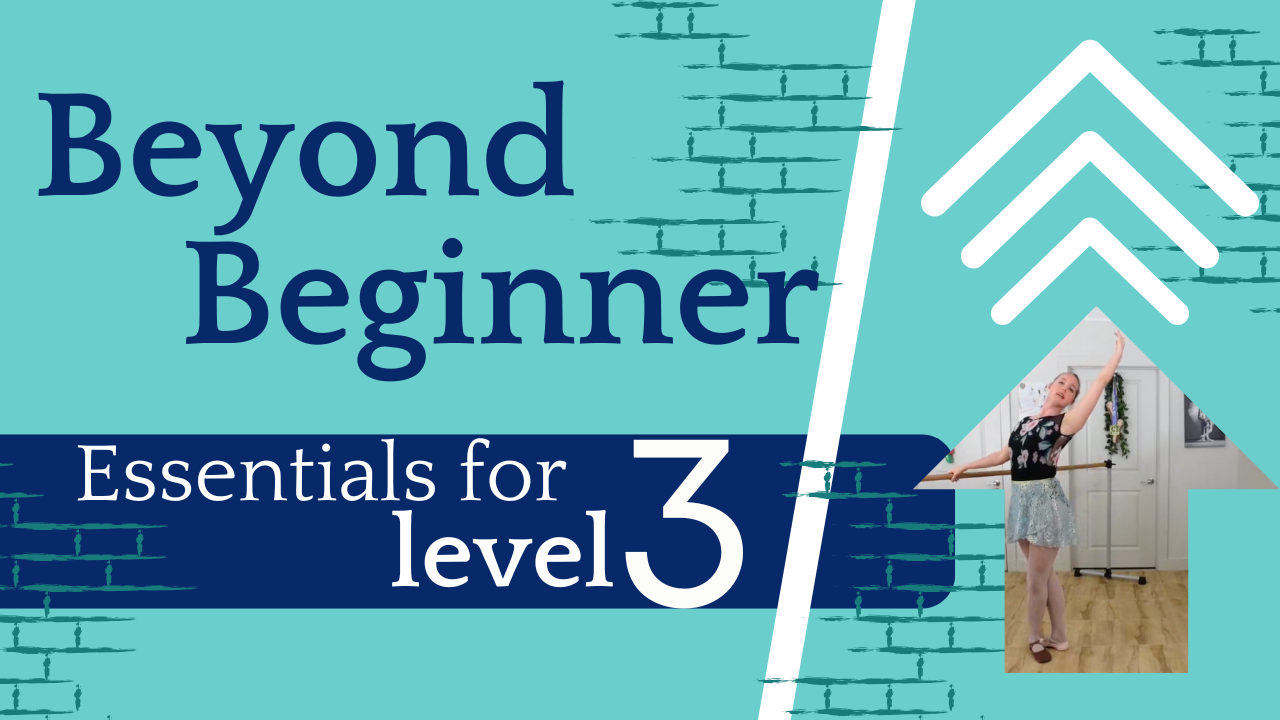
Beyond Beginner - Essentials for Graduating the Beginner Level
This program includes all the essentials you need to progress Beyond the Beginner level. Concepts include coordinating arms and legs, solidifying steps, finding your balance away from the barre, and comfort with turning. Leveling up out of the beginner level can be challenging, so practice patience, persistence and determination every step of the way.
261 classes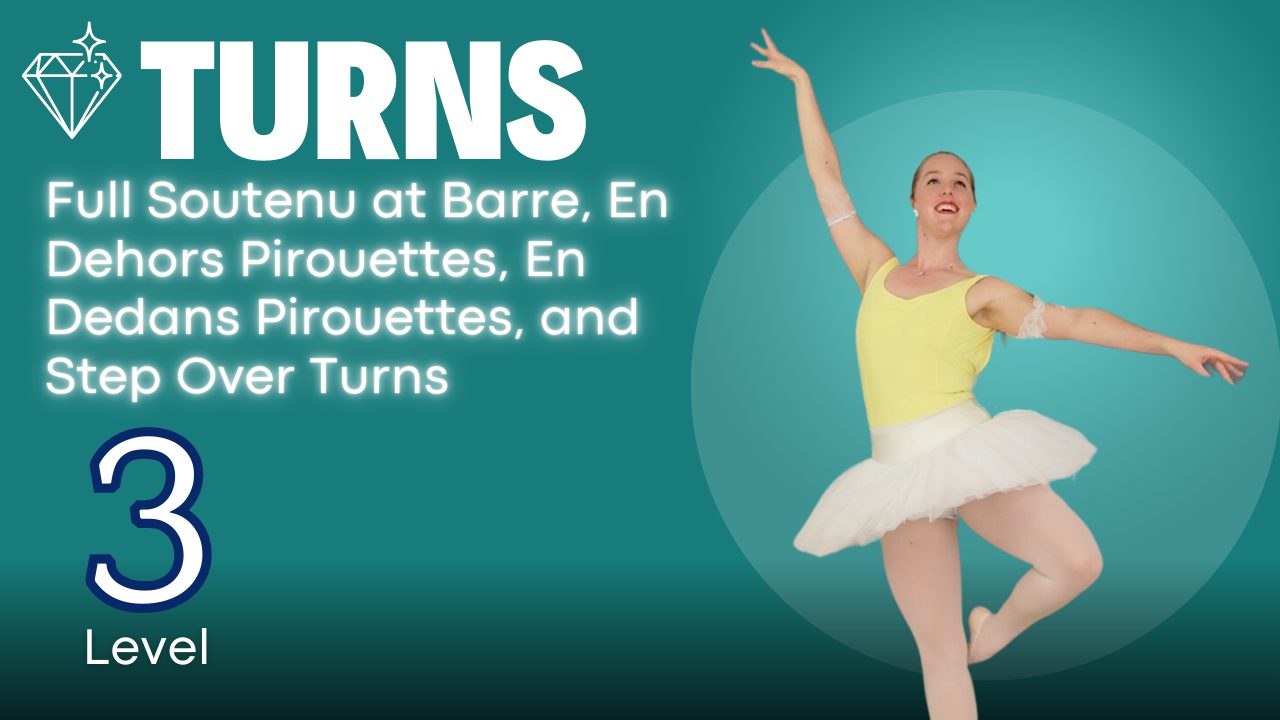
Your first Pirouettes
Full Soutenu at Barre, En Dehors Pirouettes, En Dedans Pirouettes, and Step Over Turns
93 classes