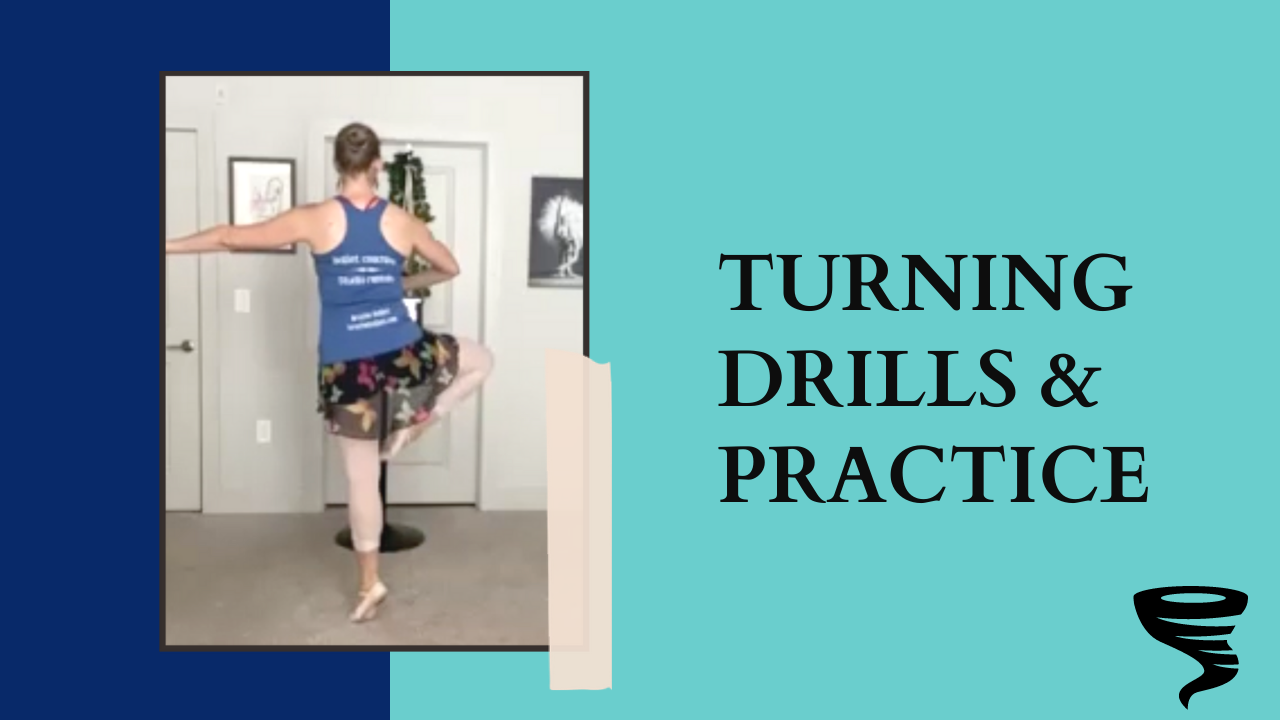
What You'll Learn
- How to use your toes as mechanical levers to gain height in turns
- Techniques for pressing the floor away to stabilize your relevé
- How to lift the ball of the foot higher for reduced friction and better rotation
- The relationship between foot engagement and consistent pirouette momentum
About This Video
Mastering the art of the pirouette is a journey of precision, and often the smallest adjustments yield the most significant results. In this Broche Ballet technique tidbit, we dive deep into the mechanics of pirouette momentum, specifically focusing on how the feet interact with the floor. Many dancers struggle with falling out of their turns, often blaming their spotting or their arms, but the culprit is frequently a lackluster relevé.
To improve your stability and power, you must rethink the role of your toes. Instead of simply being the end-point of your leg, think of your toes as powerful levers. When you rise into relevé during a turn, your toes should stay flat and long, pressing firmly into the floor.
This action acts as a prying mechanism, pushing your weight upward and allowing the ball of your foot to reach its maximum height. By prying yourself higher off the floor, you reduce the surface area in contact with the ground, which naturally enhances your pirouette momentum. A strong relevé is the foundation of every successful turn.
If the ball of the foot is low or the toes are crunching, you lose the structural integrity needed to support the rotation. By actively pressing the floor away, you engage the intrinsic muscles of the foot and the calves more effectively. This creates a solid, unwavering pillar of support.
Whether you are practicing at the barre or in the center, focusing on this lever action will transform your stability. At Broche Ballet, we believe that understanding the why behind the movement helps adult learners progress faster. By visualizing your toes as tools to pry yourself upward, you gain a tangible way to improve your technique.
Practice this during your basic relevé exercises first, then integrate it into your pirouette preparations. You will soon find that your turns feel lighter, higher, and much more controlled.