What You'll Learn
- How to generate powerful turning momentum using the hips and shoulders.
- The mechanics of the 'down to up' force required for a stable relevé.
- Techniques for maintaining core engagement and tall posture during a pirouette.
- Breaking down complex en dehors turns into manageable practice drills.
- Tips for achieving better speed and precision when turning from a closed fifth position.
About This Video
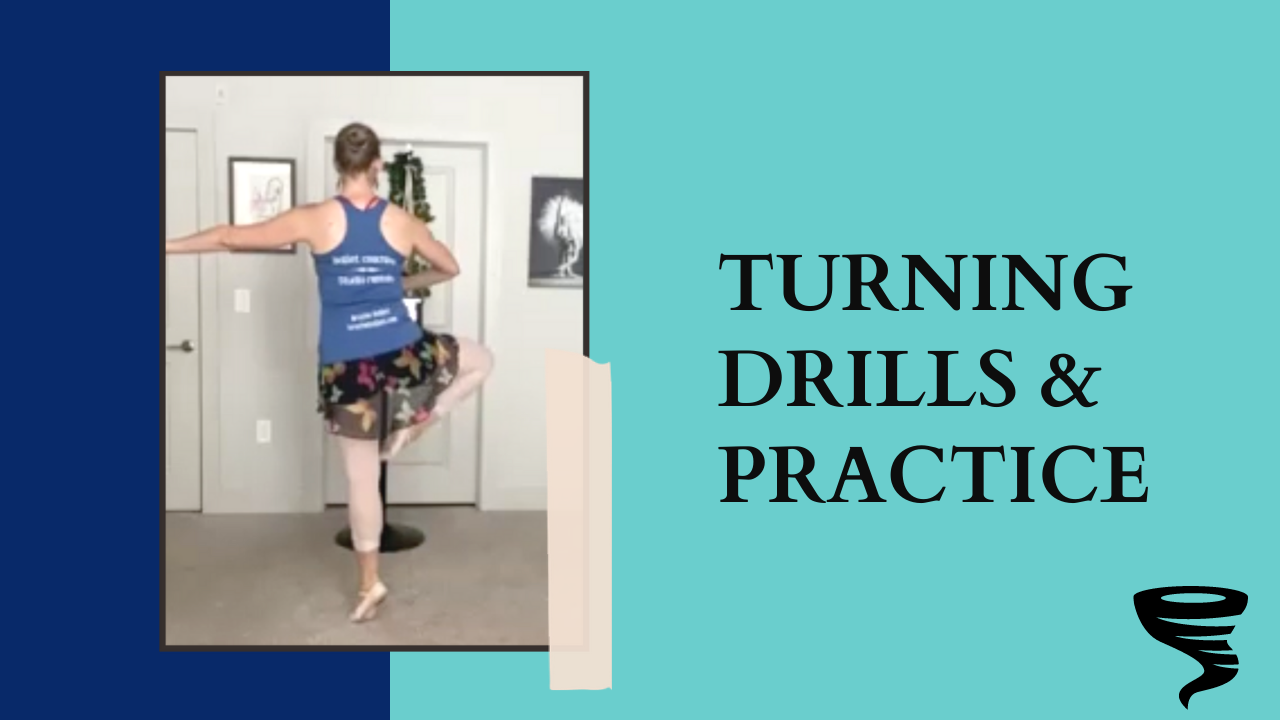
The pirouette en dehors from fifth position is a hallmark of refined ballet technique, requiring a unique blend of explosive power and delicate balance. In this 19-minute practice session with Broche Ballet, we dive deep into the mechanics of generating momentum when you don't have the wide base of a fourth position to rely on. Unlike turns from other positions, the power for a fifth-position pirouette must be generated through the coordination of the hips and shoulders, utilizing a whole-body movement that creates a 'down to up' force.
We begin by breaking down the fundamental alignment of cinquième position. You will learn how to transition from a deep, grounded plié into a sharp relevé, ensuring that your weight is perfectly centered over your standing leg. A common struggle for dancers is relying too heavily on the working leg for force; instead, we focus on how the core and upper body create the necessary torque to spin efficiently.
Precision is key, and we emphasize the importance of maintaining a tall posture and keeping your arms in a rounded, supportive shape throughout the turn. This class is designed as a series of repetitive drills, encouraging you to embrace the trial-and-error process of turning. By practicing the breakdown of the movement—from the initial push to the final close—you will develop the muscle memory needed for speed and stability.
Whether you are struggling with over-rotating or falling out of your turns, these drills provide the technical foundation to execute your pirouettes with confidence and grace. Join us on the barre and in the center as we refine your turning technique and explore the mechanics of professional-level movement.