What You'll Learn
- Master the mechanics of the waltz turn with proper balance and core engagement
- Execute two full-length center combinations using advanced dance vocabulary
- Navigate spatial transitions using chassés and traveling steps across the floor
- Coordinate arm movements in down, up, and open positions with complex footwork
- Refine directional changes and weight transfers on both the right and left sides
About This Video
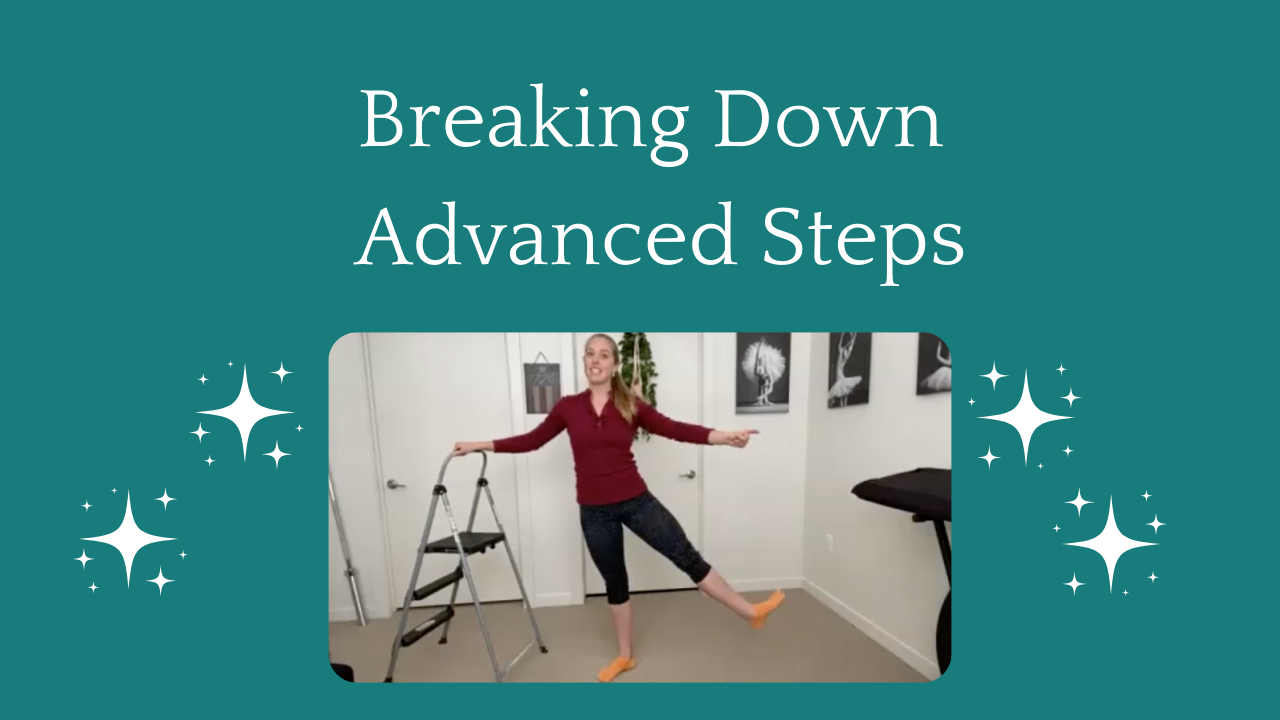
Welcome to Week 7 of our "Bridging the Gap" series at Broche Ballet, where we take your technical foundations and transform them into fluid, expressive movement. In this session, we focus on leveling up your center and waltz vocabulary by putting together two comprehensive combinations. If you have been following the series, this is where the hard work pays off as we integrate the individual steps we've practiced into long-form sequences.
The first combination is designed to test your stability and flow. We begin with a series of chassés and waltz steps, emphasizing the transition from one movement to the next. Your instructor will guide you through the intricacies of the waltz turn, focusing on how to find your center and maintain balance while rotating.
We pay special attention to the coordination of the arms—moving through down, up, and open positions—to ensure your upper body supports your footwork rather than hindering it. In the second combination, the complexity increases. Here, we challenge your spatial awareness and navigation skills.
You will learn how to move across the floor, changing directions between right and left sides seamlessly. This combination involves multiple turns and specific footwork patterns that require precise weight placement. We explore how to use the first leg step to initiate movement anywhere in the room, allowing for greater freedom of expression.
Throughout this lesson, Broche Ballet emphasizes the core principles of proper technique and musicality. It is not just about doing the steps; it is about how you bridge the gap between technical requirements and artistic performance. By the end of this class, you will have a deeper understanding of how to incorporate turns into larger combinations and how to navigate a dance space with confidence.
Whether you are practicing in a small home studio or a larger studio space, these exercises are tailored to help you master the waltz turn movement and develop the poise of a seasoned dancer.