What You'll Learn
- Common medical conditions that may limit or prevent safe pointe work
- How to communicate effectively with doctors about the mechanics of ballet
- The impact of foot anatomy, such as collapsed arches, on dancing en pointe
- Safe practices for adult dancers returning to pointe after surgery or pregnancy
- Why professional shoe fitting and proper padding prevent foot deformation
About This Video
Starting your journey to dance en pointe is one of the most exciting milestones in an adult dancer's life. However, it often comes with many questions and concerns regarding safety, foot health, and anatomical limitations. At Broche Ballet, we believe that education is the first step toward a successful and injury-free experience.
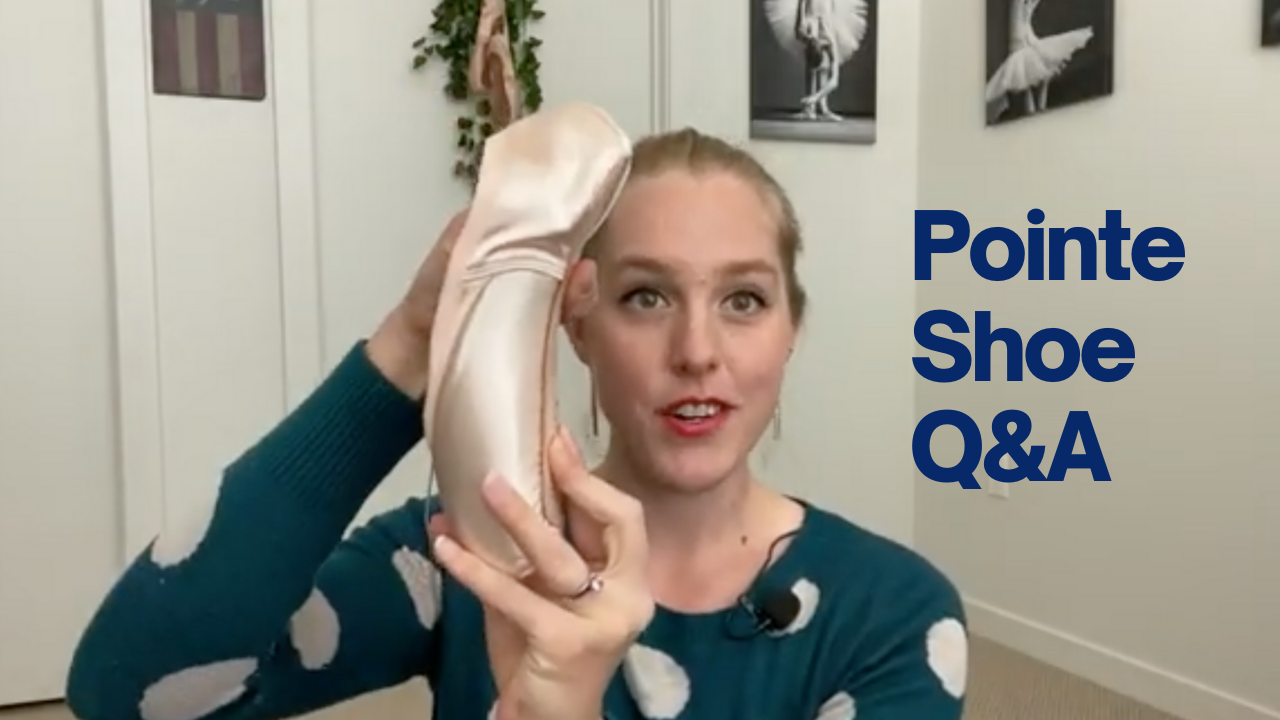
In this video, we dive deep into the frequently asked questions surrounding the transition to pointe work, specifically tailored for the adult perspective. One of the biggest myths we address is the idea that pointe shoes must naturally deform your feet. With a proper professional fitting, the right supportive padding, and a moderate practice schedule, you can maintain healthy feet while pursuing your dreams.
We also discuss critical safety considerations. While ballet is for everyone, pointe work involves significant weight-bearing pressure on the small bones of the feet. This makes it essential to understand how conditions like osteoporosis or osteopenia might affect your ability to dance en pointe safely.
We also explore anatomical variations, such as an extra bone behind the ankle or collapsed arches, which may present unique challenges or even limitations. If you have undergone surgical procedures involving fused bones or hardware, or if you are navigating a pregnancy, we provide guidance on how to approach these situations. A key part of this process is communication; we offer tips on how to educate your doctor or physical therapist—who may not be familiar with the mechanics of a relevé—about what beginner pointe work actually entails.
Whether you are just beginning to dream of your first pair of shoes or you are working through specific physical concerns, this guide will help you navigate the medical and anatomical landscape of ballet. Your safety is our priority, and understanding your body is the best way to ensure a long and joyful dancing career.