What You'll Learn
- Targeted techniques to release tension in the hip flexors and glutes
- How to use breath to signal the body to safely relax and deepen stretches
- Self-massage methods for the hip crease to improve mobility
- Integrating the passé position into floor-based active recovery
- Strategies to 'let the floor do the work' to avoid muscle gripping
About This Video
Welcome to a restorative session at Broche Ballet, designed specifically to help you unwind and improve your flexibility through mindful movement. In this 21-minute follow-along stretching class, we move away from the intensity of the barre and take to the floor to address the deep-seated tension often found in a dancer's body. Whether you are an adult beginner or a seasoned artist, these gentle stretches are essential for maintaining a healthy range of motion and preventing injury.
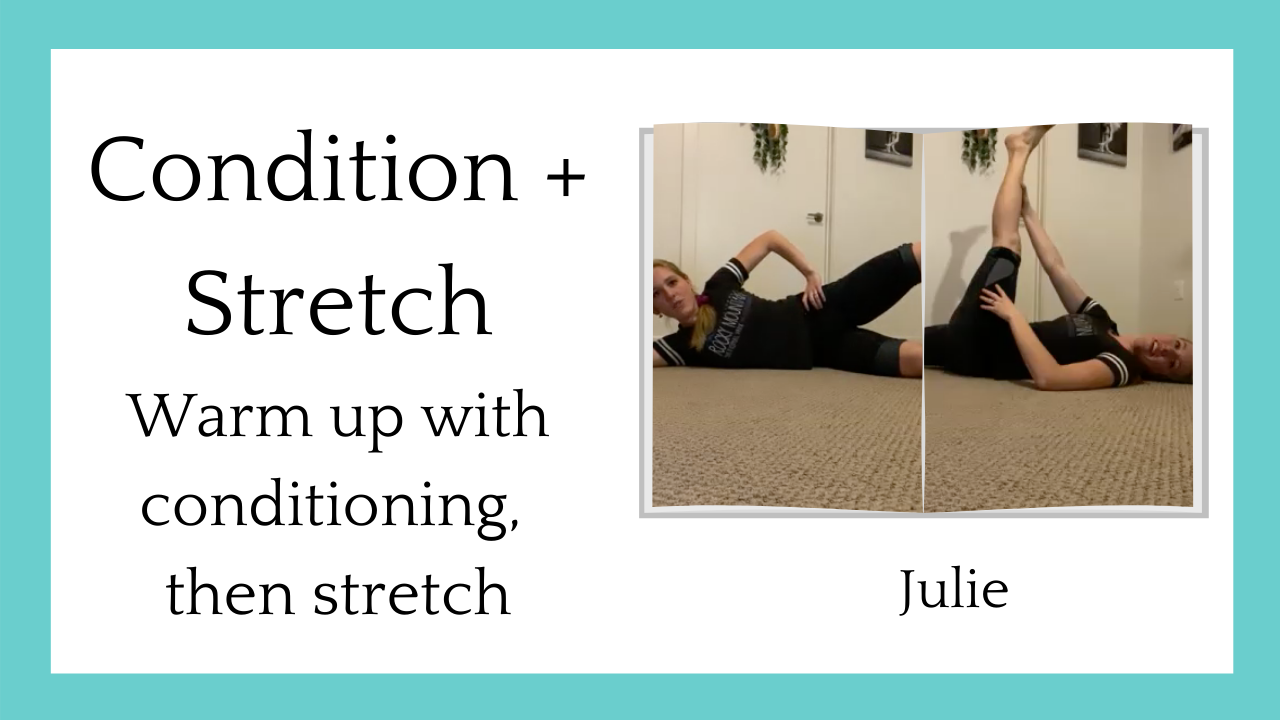
The focus of today’s practice is on the lower body, specifically targeting the glutes and hip flexors. For ballet dancers, the hip flexors can become chronically tight due to the constant demands of turnout and extensions. We begin with gentle floor exercises that encourage you to let the floor do the work.
By surrendering your weight to the mat, you allow your muscles to release without the resistance often felt during standing exercises. We will explore specific techniques such as tucking the hips under to access a deeper release in the front of the leg and using the thumbs for a light massage in the hip crease to encourage muscular softening. Throughout the session, we emphasize the power of the breath.
Deep, rhythmic breathing serves as a signal to your nervous system that it is safe to let go. You will learn how to relax into areas of tension rather than fighting against them. We also incorporate familiar positions like the passé to bridge the gap between static stretching and functional ballet movement.
By hugging the leg toward the midline or rocking the pelvis, you will find new ways to create space within the hip joint. Join us for this tranquil journey of self-care. This practice is more than just a warm-up; it is a vital part of your ballet training that promotes longevity and ease of movement.