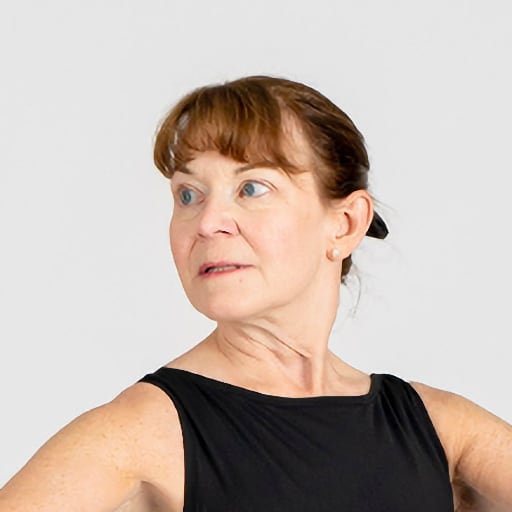
What You'll Learn
- Refine transitions using demi-plié, tombé, and chassé for fluid center movement.
- Master the pas de bourrée and piqué passé with an emphasis on balance and control.
- Utilize eyeline and facial expressions to create a compelling story for your audience.
- Execute a graceful révérence (bow) to professionally conclude your performance.
- Incorporate the 'allongé' movement to add breath and length to your port de bras.
About This Video
Step into the spotlight and elevate your dancing from a simple series of movements into a true performance. In this 28-minute Artistry in Center class from Broche Ballet, we explore the festive and narrative quality of the classic holiday carol, "Good King Wenceslas." This lesson is specifically designed to help intermediate dancers integrate technical precision with the soulful expression and port de bras that defines a professional-level performance.
Throughout the session, your instructor breaks down a beautiful center combination featuring a variety of essential ballet steps. You will refine your execution of the pas de bourrée, piqué passé, and tombé chassé, focusing on the fluid transitions made possible through a deep, controlled demi-plié. We place a special emphasis on the "allongé" and the concept of the "unstretch"—that vital moment of breath and release that allows your movement to look effortless, organic, and expansive.
What sets this class apart is the focus on audience engagement and storytelling. Technique is the foundation, but artistry is what truly captivates an audience. You will learn how to use your eye line and épaulement to guide the viewer’s attention, lingering on specific gestures to create a narrative arc. We discuss how to look toward your hands or feet and then back to the audience to create a genuine connection, making your performance feel alive and intentional rather than clinical.
The combination concludes with a formal bow, or révérence. At Broche Ballet, we believe a bow is more than just the end of a dance; it is a final moment of communication. We will practice the sequence of looking down to acknowledge the floor, then up and over the shoulder, and finally meeting the gaze of your audience one last time. By the end of this tutorial, you will feel more confident in your ability to balance technical control with emotional expression in your center work.