What You'll Learn
- Tactile techniques to physically engage the abdominals and pull the ribs together.
- How to maintain an open chest and broad back without flaring the ribcage.
- The 'water balloon' visualization for breathing into the mid-back and sides while the core is engaged.
- Correct placement of the shoulder blades to release tension in the neck and traps.
About This Video
In the world of ballet, alignment is the foundation of every movement. One of the most frequent corrections students hear is to "close the ribs," yet this simple instruction can be one of the most difficult to execute without sacrificing breath or shoulder placement. In this Broche Ballet tutorial, we dive deep into the mechanics of the upper torso to help you find a stable, elegant, and functional posture that serves your dancing.
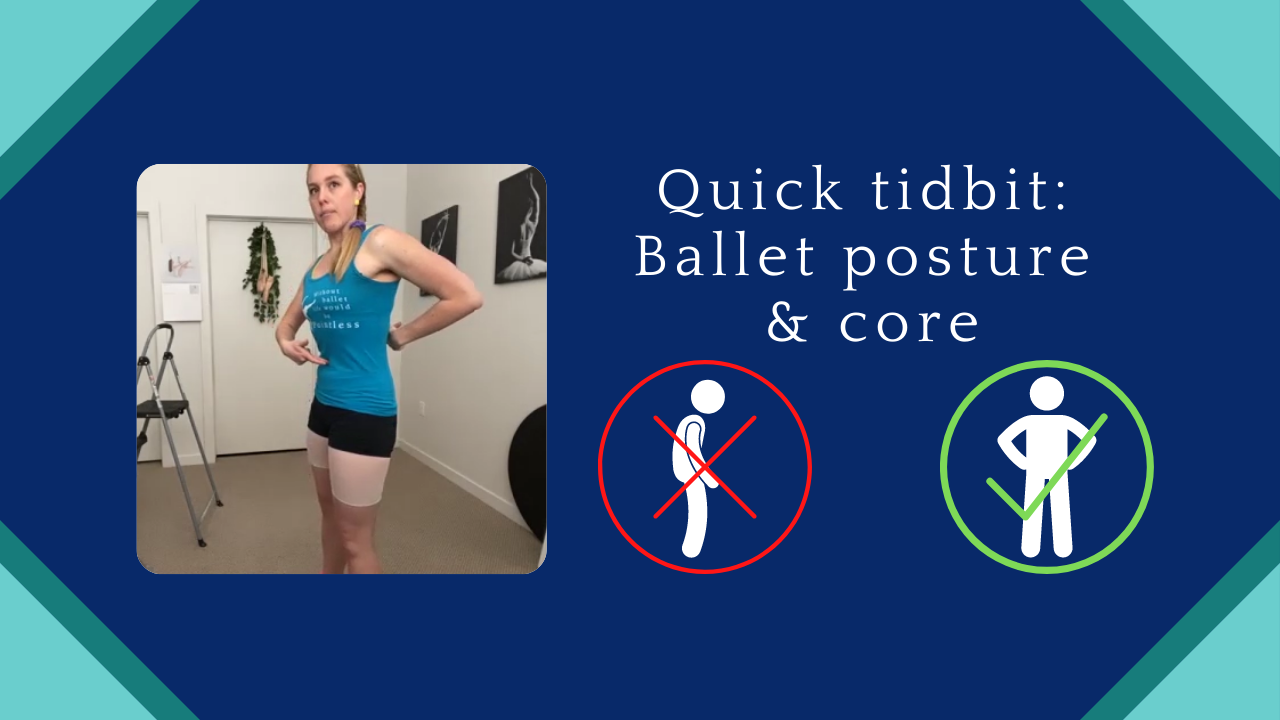
Closing your ribs is not just about pulling the front of your body inward; it is about creating a 360-degree connection through your core. Many dancers mistakenly puff out their chest when trying to stand tall, which causes the ribs to "flare" and disconnects the abdominals from the spine. To fix this, we recommend using a tactile cue: gently poke your fingers between your ribs to feel the physical engagement required to pull them together.
This ensures your abs are active and supporting your frame from the front. Equally important is what happens in the back. While we focus on the front of the ribcage, we must maintain a broad, open feeling across the shoulder blades.
Instead of simply pulling the shoulders down, think of making your back wider. This expansion helps to stretch the trap muscles and create a long, sloping neck—a hallmark of beautiful ballet lines. The ultimate challenge is breathing while maintaining this support.
How do you hold your core without holding your breath? At Broche Ballet, we use the "water balloon" visualization. If your core and front ribs are tight, the air must go somewhere else.
Learn to direct your breath into your mid-back and sides. This technique allows you to stay supported and "closed" in the front while still receiving the oxygen you need to power through a grueling barre or center combination.