What You'll Learn
- How to engage the quadriceps to support the kneecap and prevent locking
- The role of the inner leg muscles in maintaining a safe, straight leg line
- Proper hip alignment and 'pressing forward' to reduce joint pressure
- Techniques for applying knee safety to straight leg lifts and relevés
About This Video
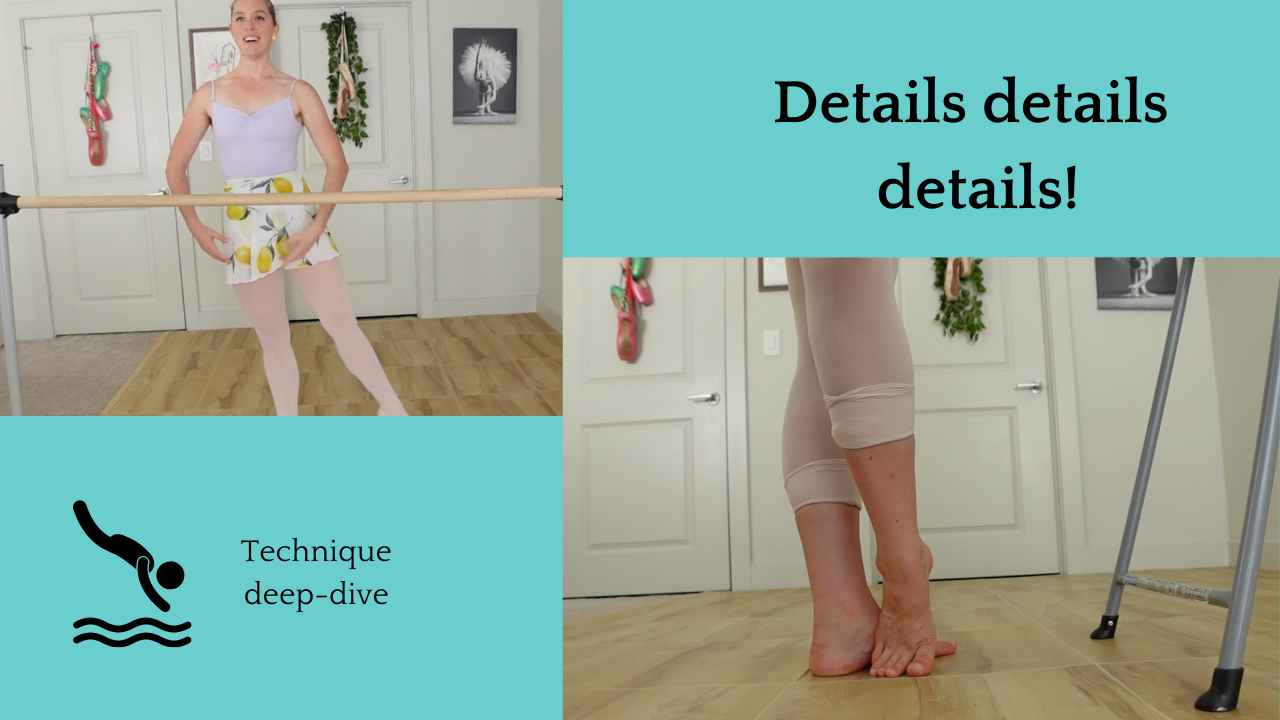
Are you experiencing discomfort or a jarring sensation in your joints during center work or barre exercises? Locked knees are a common hurdle for many dancers, particularly when performing a relevé or executing straight leg lifts. At Broche Ballet, we believe that understanding the anatomy behind the movement is the key to longevity and grace in your practice. This tutorial focuses on shifting your focus from 'locking' to 'engaging' to protect your joints.
The secret to preventing locked knees lies in the active engagement of the quadriceps muscle, specifically the area right above the kneecap. Instead of allowing the knee to sink back into its ligaments—which can lead to hyperextension and pain—you must learn to 'pull up.' By squeezing the front of your leg, you provide a muscular corset that supports the kneecap and keeps the joint stable. This engagement creates a powerful, straight line without the damaging pressure of pushing the joint backward.
Furthermore, this video explores the crucial role of the inner leg. By engaging the muscles that run along the inside of the leg, you can help shorten the front of the thigh and prevent the back of the knee from over-lengthening. When the inner leg is active, it works in tandem with the hips. You will learn how to feel your hip press forward, coming from the inside of the leg, to maintain a solid and vertical alignment. Keeping the hip 'under' provides the necessary structural support for the kneecap, ensuring your relevé is both high and secure.
Applying these techniques during transitions and straight leg lifts will not only improve your aesthetic line but also significantly reduce the risk of strain. Whether you are practicing at the barre or in the center, these subtle adjustments in muscle recruitment will transform your stability. Join us as we break down these essential mechanics to help you dance with strength and precision.