What You'll Learn
- Master the alignment and muscle memory of port de bras using PBT equipment
- Enhance spinal mobility and functional shoulder release techniques
- Develop a mindful approach to ballet conditioning and physical adaptation
- Learn how to individualize PBT exercises to suit your own pace and range
- Utilize an exercise ball to build deep core and upper body stability
About This Video
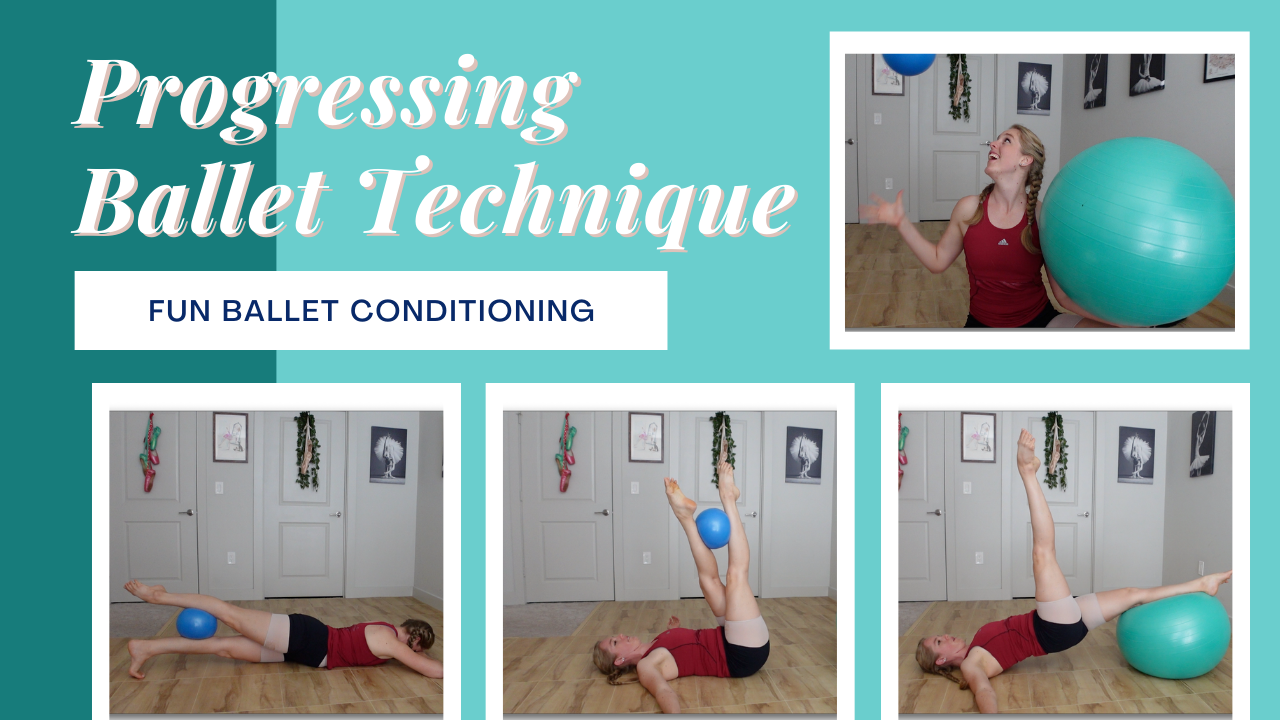
Mastering the grace and strength of the upper body is a hallmark of classical ballet. In this Progressing Ballet Technique (PBT) session, certified instructor Patricia Pyrka guides you through a focused 45-minute class dedicated specifically to port de bras. This session moves beyond mere repetition, inviting you into a mindful exploration of mobility, strength, and body awareness to enhance your presence on the dance floor.
PBT is an innovative conditioning program designed to help dancers understand the depth of muscle memory. By using external props like a large exercise ball and a small fusion ball, students can find the correct alignment and engage the deep stabilizing muscles necessary for beautiful, supported arm movements. Patricia emphasizes that while PBT can sometimes feel rigid, this Broche Ballet class prioritizes a relaxed and safe learning environment.
This approach allows for better physical adaptation and progress, ensuring that you aren't just forcing yourself into a position, but rather finding the organic path to correct form. Throughout the class, you will explore various exercises including arm raises, shoulder releases, and spinal movements. These are carefully designed to increase your functional range and conditioning.
If you’ve ever experienced muscle cramps or tension during port de bras, this class offers the tools to modify and regress movements as needed. Patricia encourages students to listen to their bodies and find their own pace, rather than strictly adhering to a rigid tempo. By incorporating mindfulness and relaxation into your PBT practice, you can achieve a more fluid and expressive upper body that translates directly to your work at the barre and in the center.