What You'll Learn
- How to resist gravity's natural pull during en pointe transitions.
- The specific timing for a controlled descent versus a sharp, quick ascent.
- Techniques to create a weightless, floating aesthetic in your dancing.
- Why reversing natural momentum is the key to professional-looking pointe work.
About This Video
To the casual observer, ballet dancers seem to defy the laws of physics. One of the primary ways we achieve this weightless quality is through the precise manipulation of timing in our movements, particularly when working en pointe. At Broche Ballet, we focus on the minute details that transform a simple exercise into a breathtaking performance.
The natural tendency of the human body, dictated by gravity, is to come down quickly and struggle to lift off the ground. Think about a heavy object: it drops with speed but requires significant effort and time to lift. To create the illusion of being light as air, a ballet dancer must reverse this physical reality.
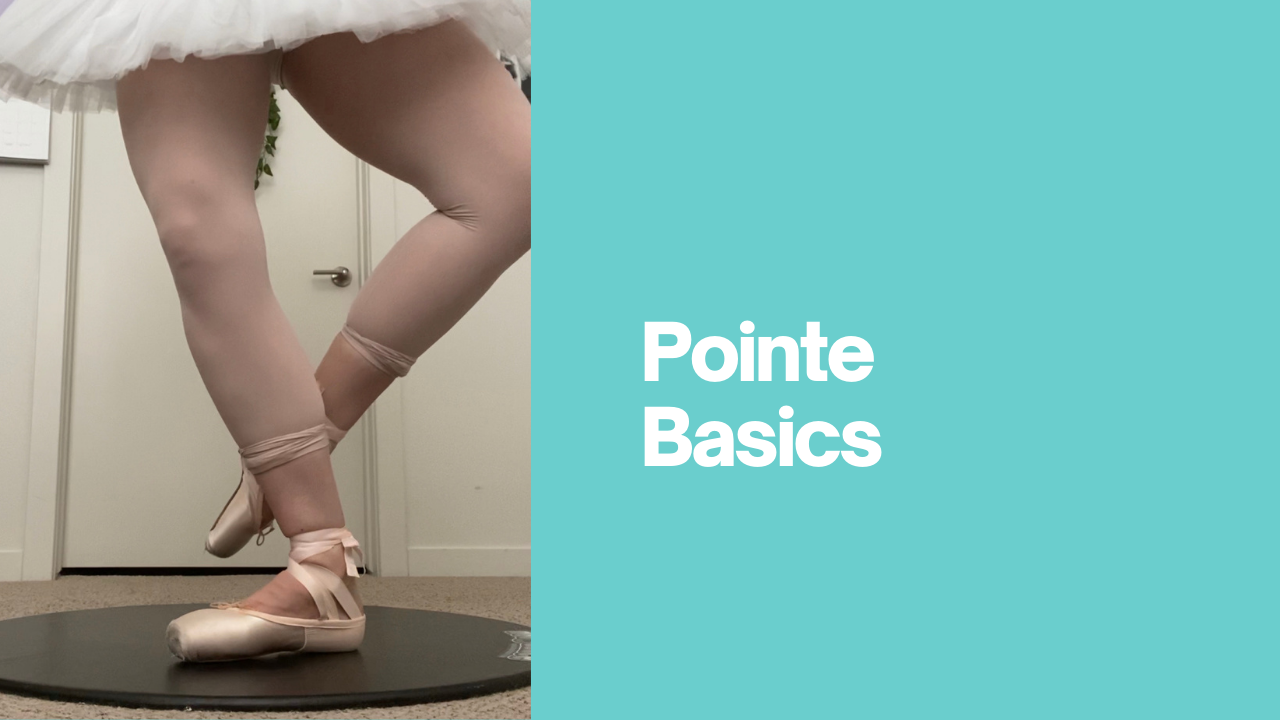
This means executing movements with a 'slowly down, quickly up' rhythm. When you perform a relevé or an échappé in your pointe shoes, the goal is to snap up to the platform with speed and precision. This suddenness catches the eye and suggests an effortless ascent.
However, the true secret lies in the descent. Instead of crashing down into a plié, you must use your muscles to resist gravity, lowering your heels to the floor with extreme control and slowness. This counter-intuitive timing creates a floating effect.
By spending more time in the air or in the transition back to the floor than gravity would naturally allow, you appear to be floating. It requires immense strength in the calves, ankles, and core to maintain this level of control. Practicing this at the barre allows you to build the necessary muscle memory before taking these movements to the center.
In this Broche Ballet quick tip, we break down how to visualize and execute this timing. By mastering the slowly down, quickly up approach, you will not only improve your technical stability but also enhance the ethereal quality of your en pointe work. Elevate your practice today by focusing on the resistance of gravity.