What You'll Learn
- How to identify and correct an anterior pelvic tilt to protect your lower back.
- Targeted glute strengthening using a TheraBand to stabilize your ballet posture.
- Effective stretching techniques for hip flexors and the pelvis to improve mobility.
- Neuromuscular cues to help maintain proper alignment during daily life and dance class.
- How to use bridging exercises to build muscular endurance without excessive soreness.
About This Video
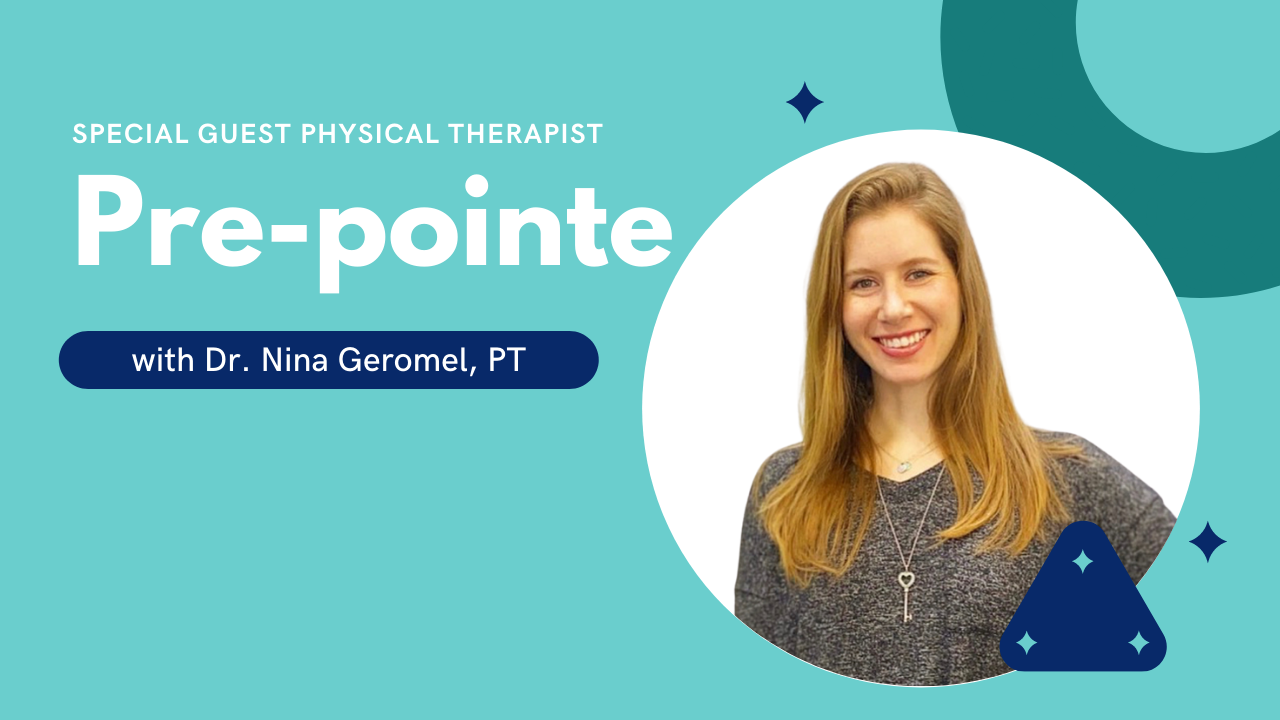
Achieving the perfect ballet posture is more than just a matter of aesthetics; it is the essential foundation for technique, balance, and long-term injury prevention. In this specialized movement session, Broche Ballet welcomes guest expert Jessica Maddox PT, DPT, to provide a deep dive into upper and lower back alignment from a physical therapy perspective. Many dancers, particularly those starting as adults, struggle with maintaining a neutral pelvis, often falling into an anterior pelvic tilt.
This misalignment can lead to chronic lower back pain and significantly inhibit the power and stability required for movements like a deep plié or a secure relevé. Jessica explains that weak glutes are frequently the root cause of these alignment struggles. To address this, she demonstrates targeted glute-strengthening exercises, specifically focusing on bridging variations using a TheraBand.
By engaging these muscles until they reach fatigue, dancers can build the endurance necessary to maintain their ballet posture throughout an entire class at the barre or during complex center work. The session also explores the concept of neuromuscular control, emphasizing that posture is a habit that must be actively managed. Jessica suggests practicing pelvic tilts throughout the day to remind the body of its full range of motion and to help find that elusive 'middle' ground.
In addition to strengthening, the class covers vital flexibility work, including hip flexor stretches and the happy baby stretch to loosen the pelvis. However, Jessica provides a word of caution: while flexibility is a hallmark of ballet, over-stretching without proper support can irritate the joints. This session provides a balanced, science-based approach to help you stand taller, dance stronger, and protect your body.
Whether you are working on your épaulement or perfecting an arabesque, understanding your biomechanics is key to your progress. com.


.png)