What are the Basic Ballet Positions and Terms?
Ballet's foundation rests on five basic foot positions—1st through 5th—and coordinated arm movements (port de bras). Core terminology includes plié (to bend), tendu (to stretch), and relevé (to rise). These elements, combined with proper turnout and posture, form the building blocks for every movement in the classical vocabulary.
Starting your ballet journey as an adult is much like learning a new language. You begin with the alphabet—the five basic positions—and slowly string them together into sentences and stories. At Broche Ballet, we believe that understanding the "why" behind these positions is just as important as the "how," especially for adult bodies that require mindful alignment.
The Five Basic Foot Positions
In classical ballet, every movement begins and ends in one of five core positions. These are built on the concept of "turnout," which is the outward rotation of the legs from the hip sockets.
- First Position: Your heels touch, and your toes point outward, creating a "V" shape. For adults, it is vital not to force a 180-degree line; focus on rotation that feels stable in your knees.
- Second Position: Similar to first, but your feet are spread about shoulder-width apart. This provides a wider base of support.
- Third Position: One foot is placed in front of the other, with the front heel touching the arch of the back foot. This is often used as a gateway to fifth for beginners.
- Fourth Position: One foot is placed about a foot's distance in front of the other, with the legs crossed. This is the primary position for preparation in turns.
- Fifth Position: The most demanding position, where the feet are fully crossed so the heel of the front foot meets the toe of the back foot.
If these feel intimidating, our Absolute Beginners "Sticky Buns" Program (115 videos) breaks these down step-by-step to ensure you aren't straining your joints as you build rotation.
Essential Ballet Vocabulary
Ballet terminology is almost exclusively in French, a nod to its origins in the French royal courts. Here are the fundamental movements you will encounter in every class:
- Plié (to bend): A smooth, continuous bending of the knees. This is the "shock absorber" of ballet.
- Tendu (to stretch): Extending the leg until only the tip of the toe touches the floor. This builds the foot strength necessary for jumps.
- Dégagé (to disengage): Similar to a tendu, but the foot leaves the floor slightly.
- Relevé (to rise): Lifting the heels off the floor to stand on the balls of the feet (demi-pointe).
- Cou-de-pied (neck of the foot): Placing the working foot at the ankle of the standing leg.
- Retiré (withdrawn): Drawing the foot up the leg until the toe is at the knee (often called passé).
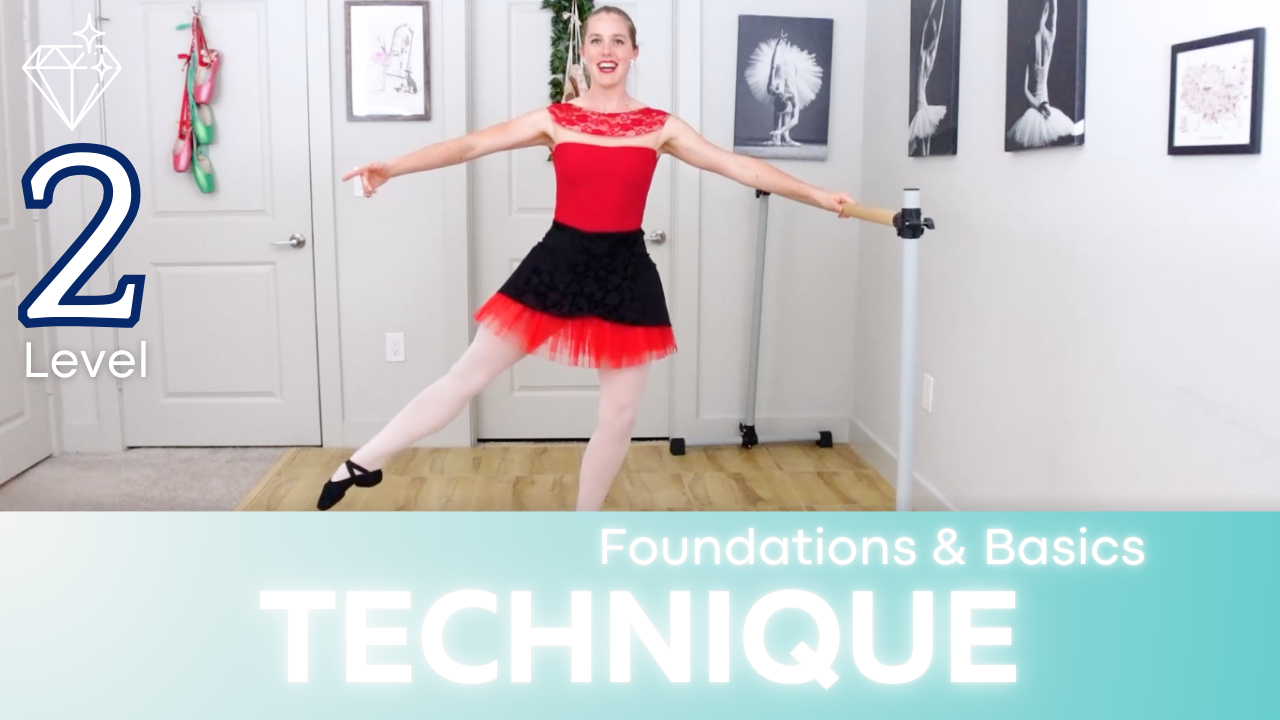
To master these, the Technique Foundations, Basics, and Fundamentals program offers 104 videos specifically dedicated to perfecting your tendu front (devant), side (à la seconde), and back (derrière).
Port de Bras: The Positions of the Arms
While your legs do the heavy lifting, your arms (port de bras) provide the artistry and balance. Most methods use a variation of First, Second, and Fifth positions for the arms. Proper arm placement isn't just about aesthetics; it helps engage your back and core. Our Level 2 - Beautiful Port de Bras program explores how to coordinate your arms with your head and spine to create a harmonious, full-body line.
Moving from the Barre to the Center
Once you have found your balance at the barre, you will move to the "center" of the room. Here, the vocabulary expands to include traveling steps and turns.
- Soutenu Turn: A turn on two feet that "unwinds" the legs.
- Pas de Bourrée: A three-step transition that feels like a refined "back-side-front" walking pattern.
- Tombé: A falling movement onto a bent leg.
- Balancé: A side-to-side rocking step gracefully moving across the floor.
If you're nervous about leaving the barre, our Beginner Ballet Center Fundamentals Program (108 videos) is designed specifically to help adults navigate the center with confidence, teaching you how to orient yourself to the room's corners and walls.
Advice for the Adult Learner
Ballet is a lifelong practice. Many adults worry they aren't flexible enough or that they've started too late. However, ballet is actually an incredible tool for functional mobility and cognitive health.
Don't rush into fifth position or high jumps. Focus on the basics of posture and weight placement first. Our library includes over 7,200 videos to support you at every stage, whether you are doing a 12-Week Ballet Reset or just learning your very first plié. Remember: every professional dancer you admire started with these exact same five positions. You are exactly where you need to be.
Next step
Related Videos
Watch classes and tutorials related to this topic


More Programs
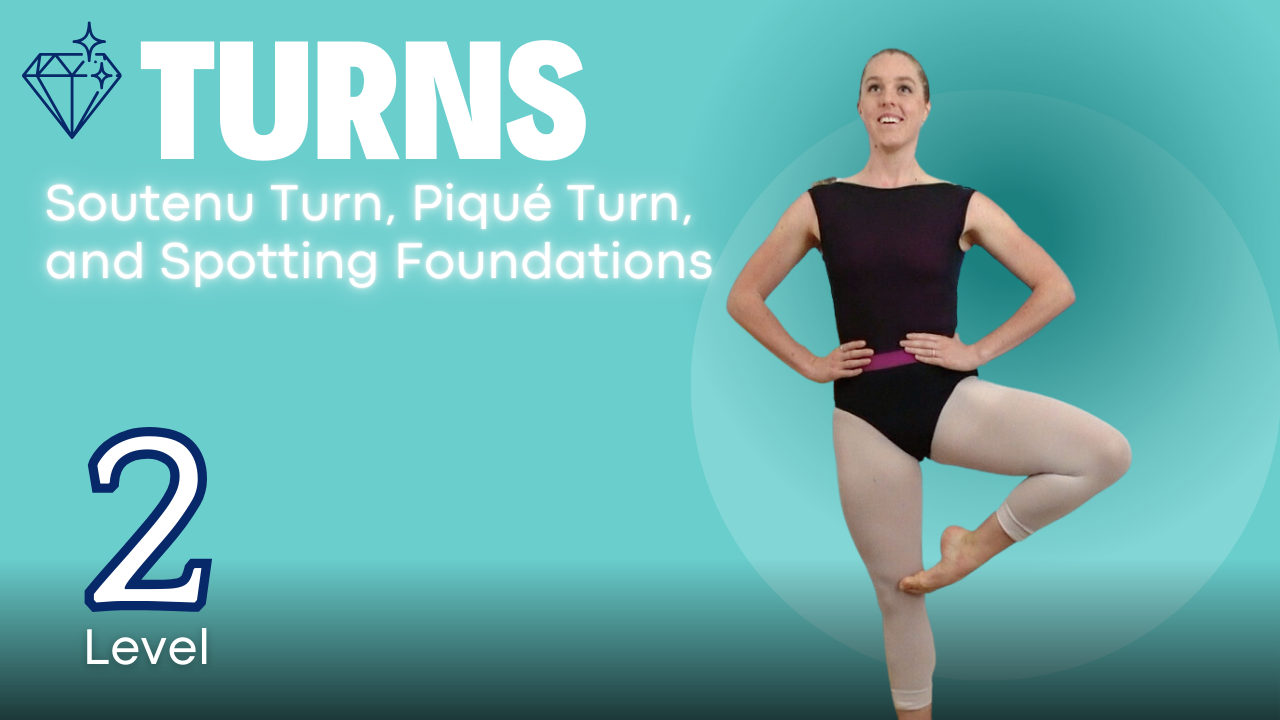
Turns Foundations Program
Soutenu Turn, Piqué Turn, and Spotting Foundations
25 classes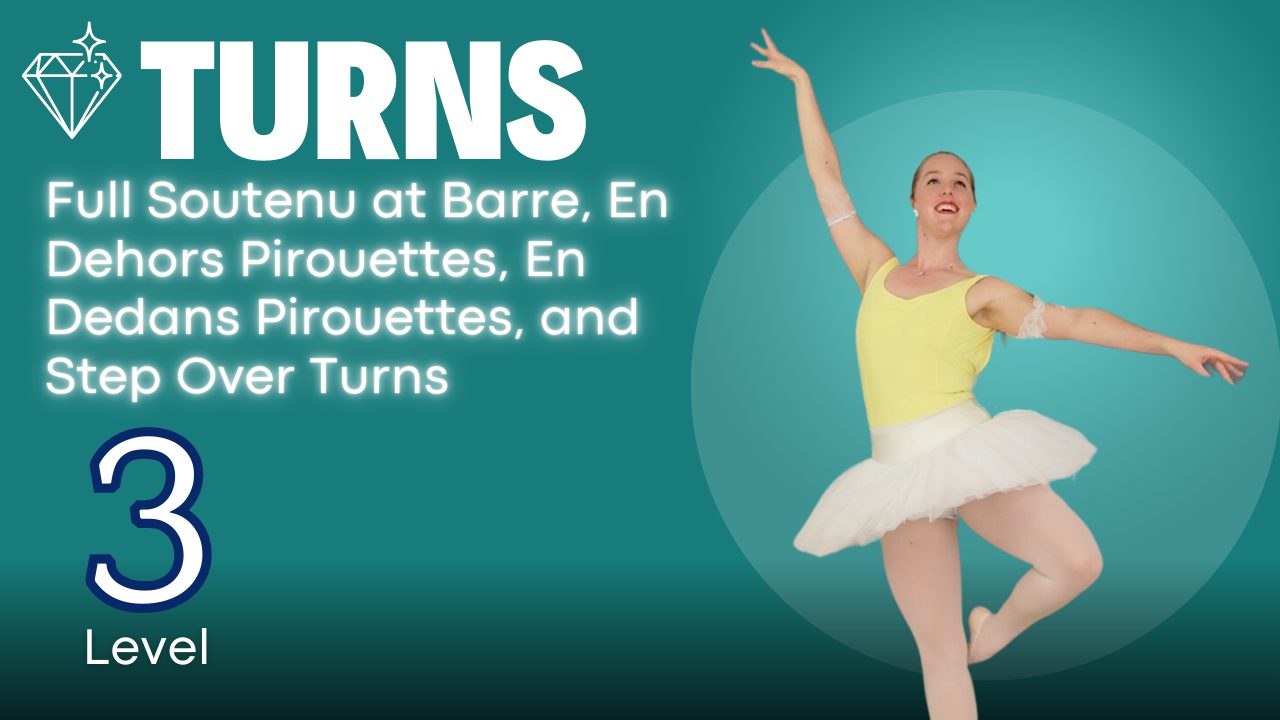
Your first Pirouettes
Full Soutenu at Barre, En Dehors Pirouettes, En Dedans Pirouettes, and Step Over Turns
93 classes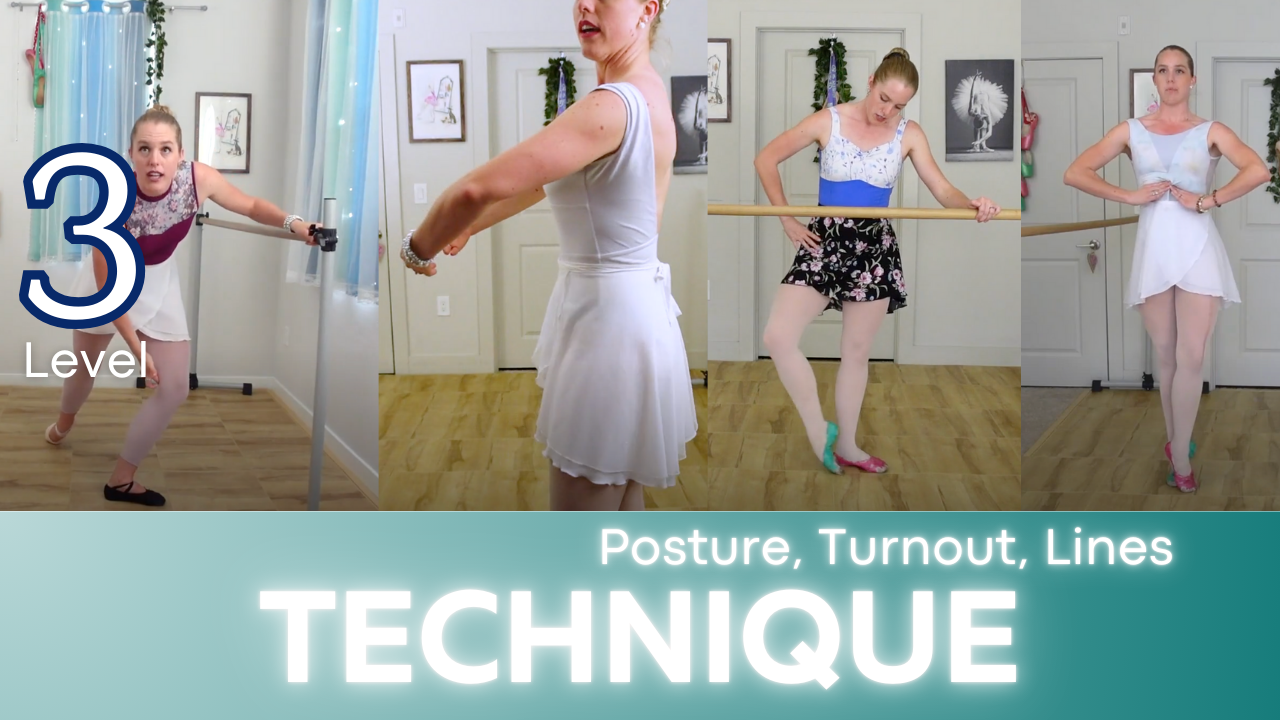
Advancing Technique with Posture, Turnout and Ballet Lines
Advancing Technique: From Head-to-Toe. Take your technique to the next level with a comprehensive, full-body approach designed to bring each part of your body into harmony. Level 3 addresses proper usage of hips, spine, Turnout, Feet, Knees, Elbows
75 classes