Can Ballet Help my Memory as I Get Older?
Yes, ballet is a powerful tool for cognitive health as you age. It combines physical movement with complex pattern recognition, musicality, and spatial awareness. This 'dual-tasking' promotes neuroplasticity, strengthens memory pathways, and improves executive function, helping to keep your mind sharp while simultaneously improving your physical balance and coordination.
Absolutely. Ballet is one of the most cognitively demanding forms of exercise you can engage in, particularly as an adult. While many people focus on the physical benefits—like posture and flexibility—the mental workout is equally profound. Research into neuroplasticity suggests that activities requiring both physical coordination and mental recall are superior for brain health compared to repetitive exercises like walking or cycling.
The 'Dual-Tasking' Power of Ballet
In a typical ballet class, your brain is never on autopilot. You aren't just moving your legs; you are translating French terminology into physical action, timing those actions to specific musical cues, and maintaining awareness of your posture. Scientists call this 'dual-tasking.'
At Broche Ballet, we often discuss the 'forgetting-and-remembering cycle.' Your job in class is to remember technique, and the act of forgetting is actually a crucial part of the learning process. Each time you struggle to recall a combination and then successfully retrieve it, you are strengthening the neural pathways associated with long-term memory. This mental 'heavy lifting' is exactly what helps maintain cognitive resilience as we get older.
Pattern Recognition and Sequential Memory
Ballet is built on a structured vocabulary. A demi plié is always a demi plié, but it can be combined with hundreds of other steps in infinite variations. This requires dancers to master pattern recognition. Instead of memorizing 50 individual movements, you learn to 'chunk' information—seeing a sequence as a single phrase rather than isolated steps.
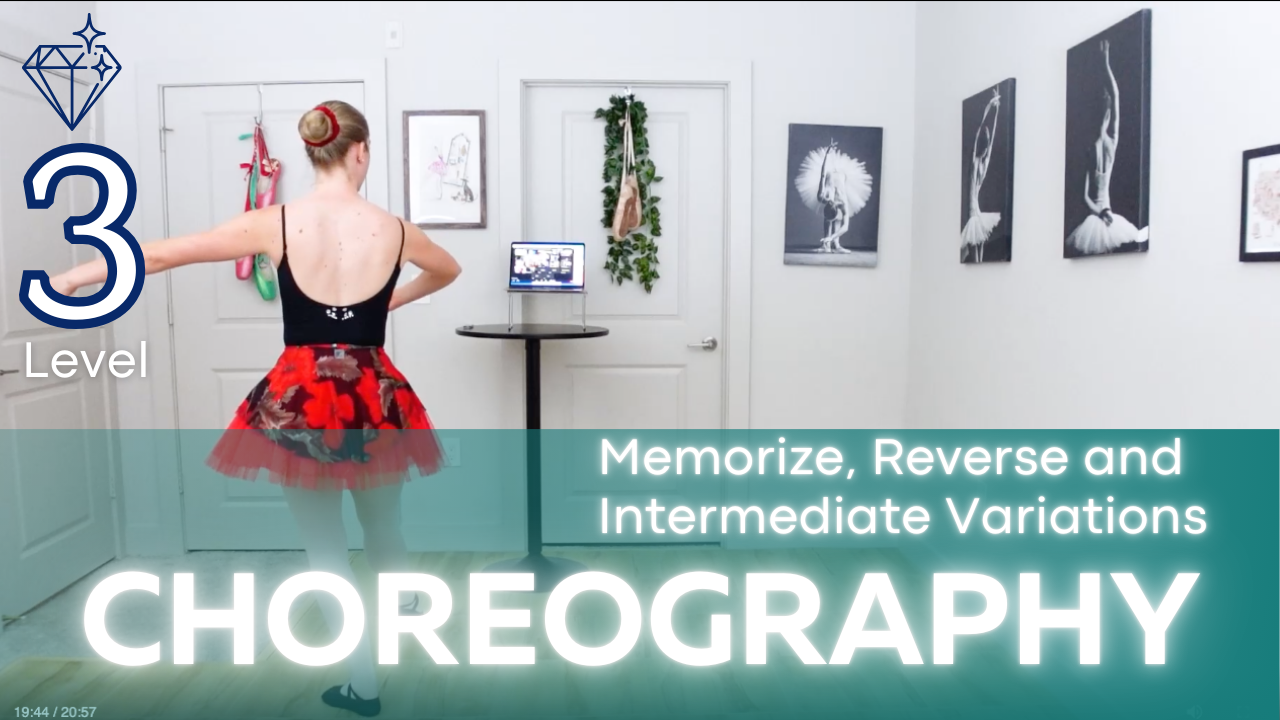
If you find yourself struggling to keep up, our program Confused by Choreography? Start here! (33 videos) is designed to help you master the basics of choreographic transcription. By learning how movement is structured and communicated, you transform 'confusing steps' into a logical language your brain can easily store.
Strengthening Neural Pathways through Reversal
One of the most challenging—and rewarding—aspects of ballet for the aging brain is 'reversing' combinations. In class, a teacher might show a combination starting with the right foot, and then ask you to perform it starting with the left. This requires a high level of mental flexibility and spatial reasoning.
To help adult dancers tackle this specific challenge, we developed Reverse and Memorize with Ease (52 videos). This program focuses on enhancing your choreography skills by teaching you how to visualize, reverse, and execute intricate sequences. This type of mental gymnastics is a direct counter-attack against age-related cognitive decline, as it forces the brain to create new maps for familiar movements.
Managing the 'Ballet Whack-a-Mole'
Many adult dancers experience what we call the 'Ballet Whack-a-Mole' effect: you remember to turn out your hips, but then you forget your arm placement; you fix your arms, and your pelvis tilts. This is not a failure of your memory; it is a sign that your brain is working at its maximum capacity.
Programs like The 12-Week Ballet Reset (105 videos) help mitigate this by slowing things down and rebuilding technique from the ground up. By 'cleaning' your technique, you move movements from your conscious, working memory into your 'procedural memory' (muscle memory). This frees up cognitive space, allowing you to focus on more complex artistry and longer sequences without feeling overwhelmed.
It Is Never Too Late to Start
A common fear among older adults is that they have missed the window for learning such a complex skill. However, starting ballet as an adult provides a 'clean slate' that can actually be an advantage. You aren't relying on childhood habits; you are building a sophisticated mind-body connection with the maturity and focus of an adult.
Whether you are a complete beginner or returning after decades away—using a program like Gentle Return to Ballet after a Break—you are giving your brain a significant health boost. Ballet challenges your balance, your memory, and your artistic soul all at once, making it one of the most holistic ways to age gracefully and vibrantly.
Next step
Related Videos
Watch classes and tutorials related to this topic
 5:08
5:08 Do you need Childhood Training?
 0:27
0:27 Quicktip: Your job in ballet class is to remember. Improving technique is a continual forgetting-and-remembering cycle
 25:09
25:09 Boost your Ballet Brain: How to Memorize Combinations | Broche Banter Season 3 Episode 48
 2:00
2:00 Is it too late?
 6:07
6:07 Q&A - How to memorize choreography? -- Dec 12
 4:15
4:15 Is Ballet Possible for Me?
 0:11
0:11 Can you relate? Ballet Whackamole of Holding your Technique!
 3:19
3:19 What adult ballet dancers are missing
More Programs
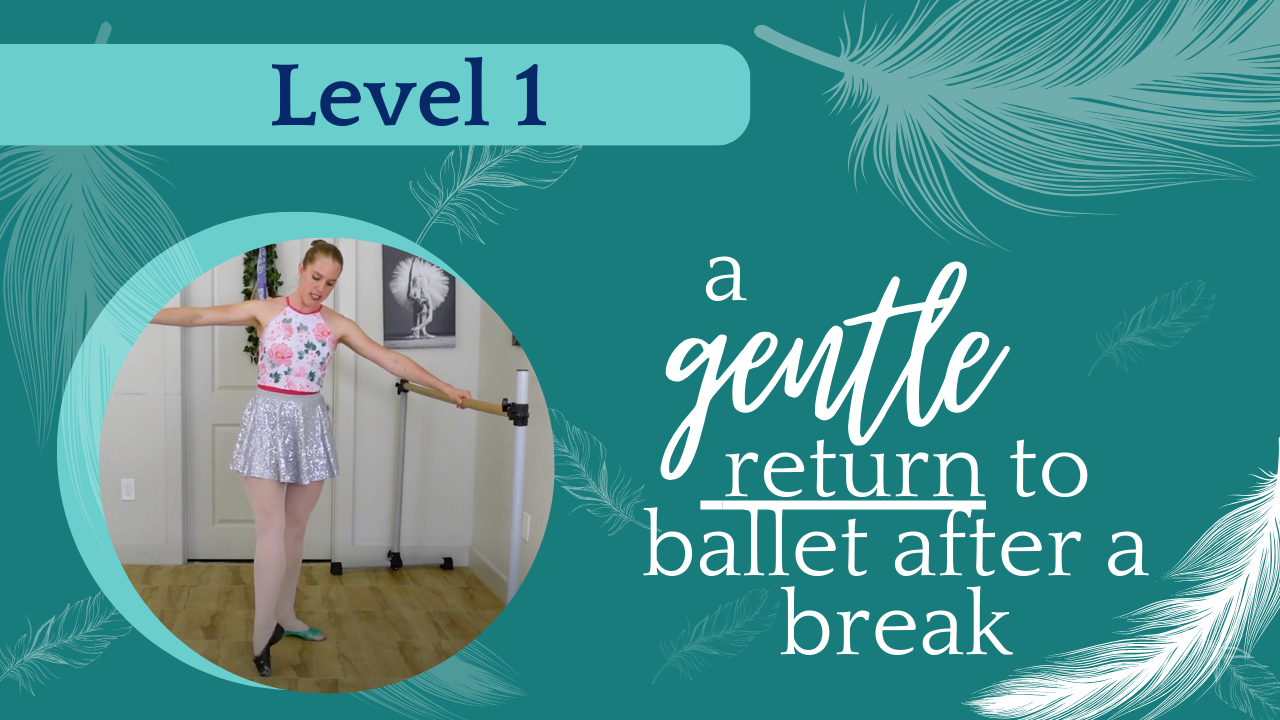
Gentle Return to Ballet after a Break
This program is for if you are not a beginner, but you are beginning ballet again. After taking a break from ballet, your body needs some time to re-adjust. Gentle stretch, strength, and dusting off the cobwebs. This program is perfect for you if you want to ease your body and mind back into ballet, but you don't necessarily need to re-learn the vocabulary words. You brain remembers, but your body needs time to get re-acquainted.
24 classes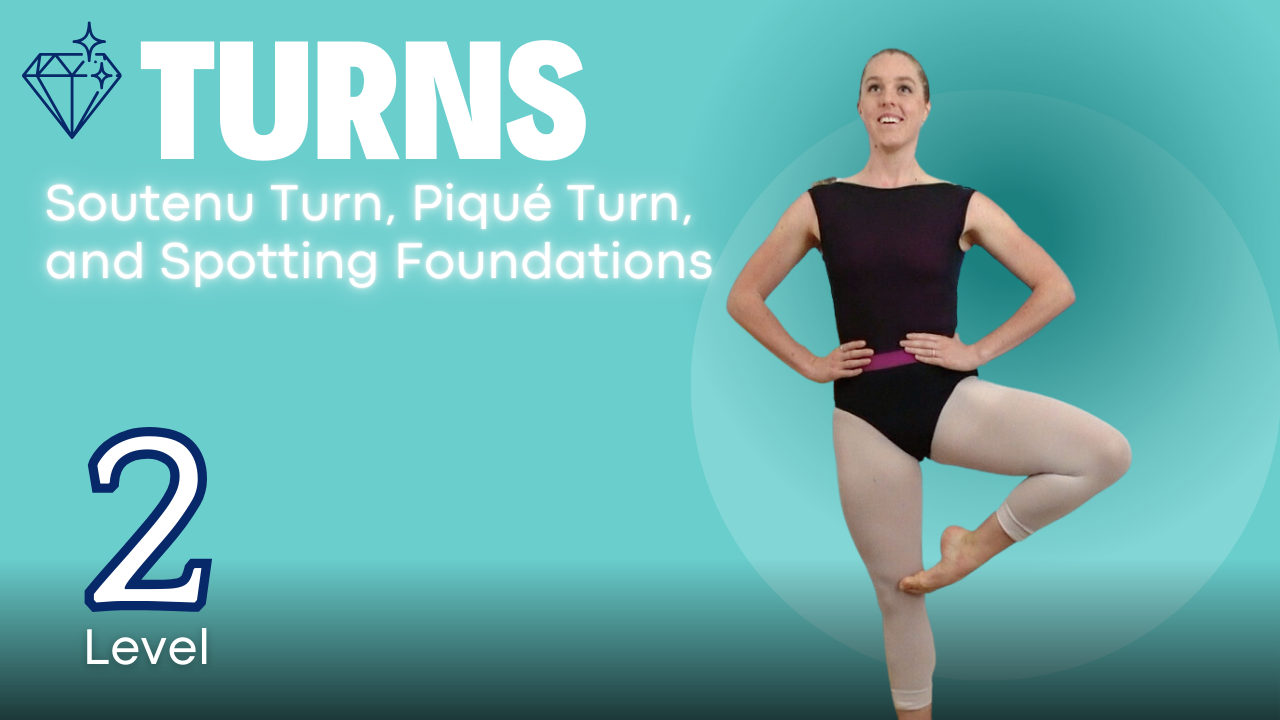
Turns Foundations Program
Soutenu Turn, Piqué Turn, and Spotting Foundations
25 classes
The 12-Week Ballet Reset
Clean your technique. Rebuild your artistry. Return stronger. A full-body re-tuning for adult dancers.
105 classes